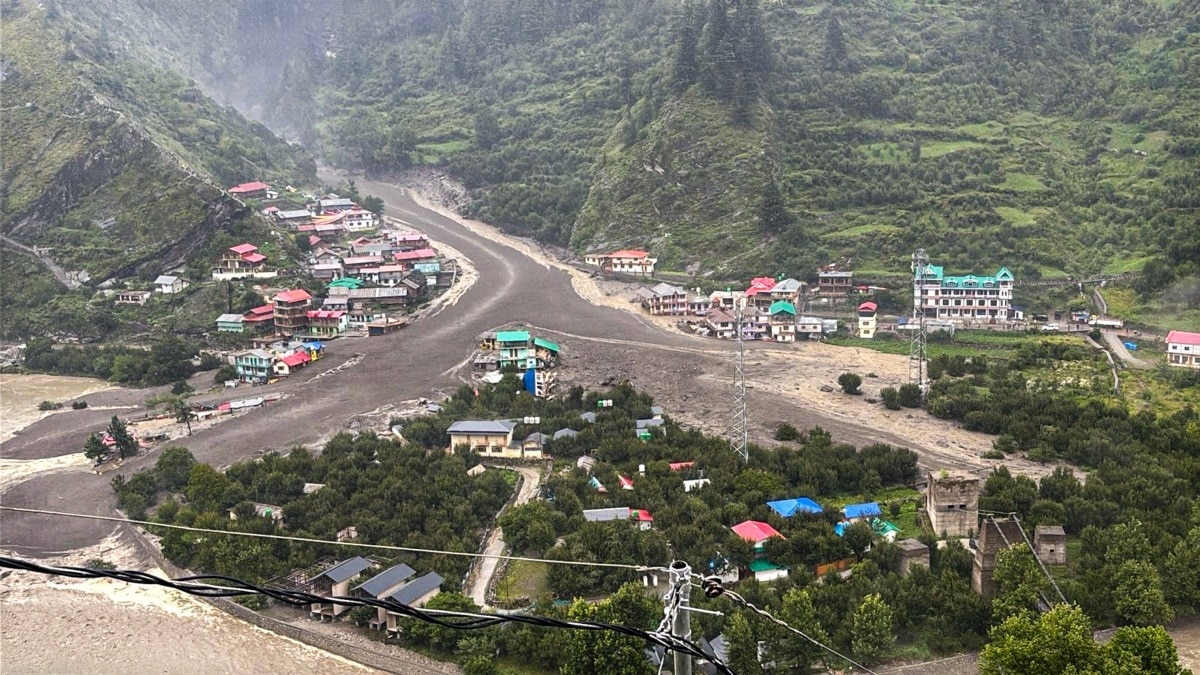
Uttarkashi Disaster Spotlights The Need For Resilient Infrastructure
Uttarkashi’s recent cloudburst has triggered a cascade of landslides and flash floods, severely impacting the Dharali and Harsil regions and highlighting the critical vulnerability of mountainous infrastructure. While the immediate focus is on restoring connectivity and rescue operations, the incident serves as a crucial wake-up call for a more sustainable and resilient approach to development in the Himalayas. The Border Roads Organisation (BRO), with its personnel and machinery, is working relentlessly to clear debris from four major landslide points and a destroyed bridge, with officials expecting to restore road connectivity within a few days. This rapid response is commendable, but the recurring nature of such disasters necessitates a long-term strategy that integrates environmental awareness with infrastructure planning.
The incident is a grim reminder that while modern cities strive for zero-net-carbon and eco-friendly solutions, the very foundation of these ambitions—a stable and connected region—is at risk. The Himalayas are an ecologically fragile zone, and unchecked development, coupled with the impacts of climate change, has amplified the frequency and intensity of extreme weather events. The devastation in Uttarkashi is not an isolated event but part of a larger pattern of ecological disasters in the region. This makes it imperative for infrastructure projects to be conceived not just for efficiency but also for their minimal environmental footprint and their ability to withstand the forces of nature.
The human element of the disaster is equally compelling. The joint rescue efforts by multiple agencies, including the Uttarakhand Police, SDRF, Army, and ITBP, have successfully evacuated hundreds of stranded individuals from various parts of the country. This coordinated effort showcases the importance of robust emergency preparedness and the unwavering commitment to human safety. The fact that the victims were from different parts of India—from Gujarat to Telangana—underscores the need for a national disaster response framework that is both swift and comprehensive. It also points to the broader social significance of these pilgrimage and tourist routes, which are vital for the livelihoods of local communities and the emotional and spiritual well-being of visitors.
Going forward, the discourse must shift from mere restoration to fundamental change. The decision to either restore the old road or carve out a fresh one in the Harsil-Dharali section offers a moment for reflection. It is an opportunity to consider more sustainable engineering solutions that are less invasive and more resilient to natural hazards. This is an investment not just in physical infrastructure but in the long-term safety and prosperity of the region. By prioritizing ecologically sound and equitable development, we can ensure that the Himalayas remain a source of natural beauty and a place of pilgrimage, rather than a site of recurring tragedy.