


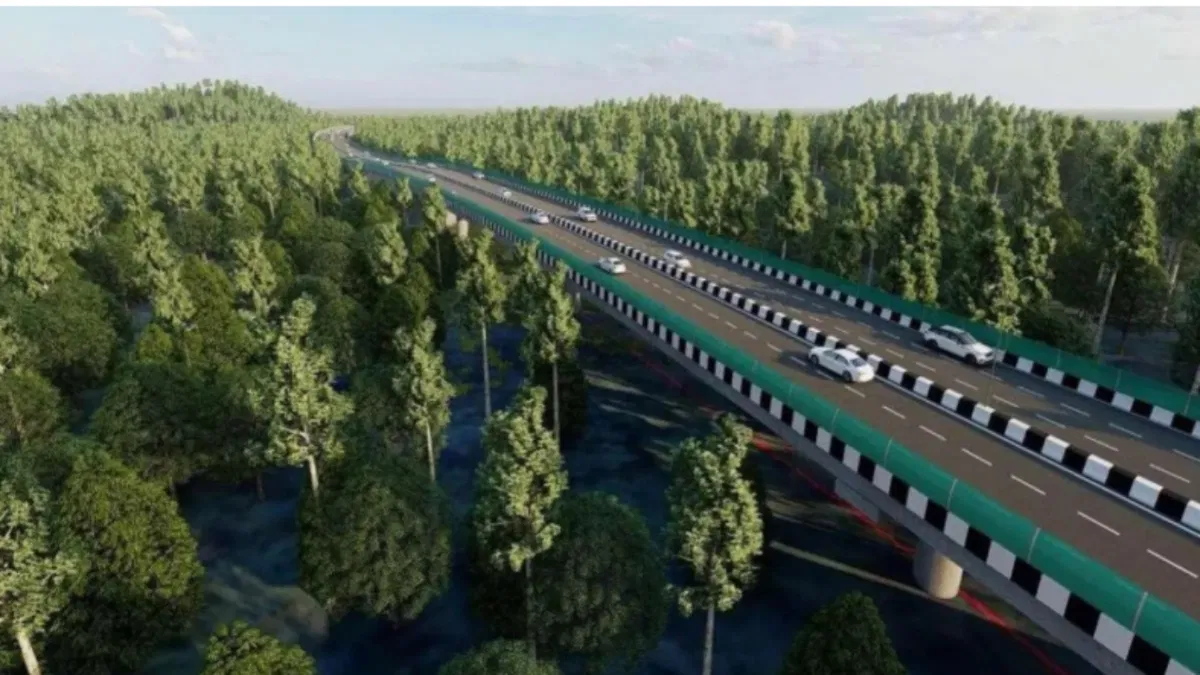
Uttarakhand is on the cusp of a transformative leap in regional mobility with the National Highways Authority of India (NHAI) announcing a 42-kilometre express route linking Dehradun to Mussoorie. Once operational, the upgraded corridor is expected to reduce travel time to just 30 minutes, significantly altering commuter patterns, tourism flows, and urban-rural integration in the region.
The project, a mix of highway widening, realignment, and tunnelling to bypass congested hill sections, responds to long-standing traffic bottlenecks on the historic route. Senior officials indicate that the route is designed to accommodate both private vehicles and commercial transport, which have historically faced delays due to narrow lanes and steep gradients. The faster, safer corridor is anticipated to increase the efficiency of daily travel, while supporting emergency access and logistics in hilly terrain. Urban planners suggest the highway could catalyse peri-urban development along its alignment, enabling satellite settlements and tourism infrastructure to emerge in previously underconnected areas. This will have implications for land use, property values, and municipal planning in Dehradun and Mussoorie, demanding careful zoning and climate-sensitive construction standards to prevent erosion, landslides, and habitat disruption. From an economic perspective, reducing travel time enhances the region’s appeal for business, tourism, and short-stay hospitality services. Industry experts note that quicker, reliable access can stimulate day trips, weekend tourism, and local retail economies, while also making it easier for small-scale industries in hill towns to connect to broader supply chains. The project’s design incorporates advanced engineering to reduce vehicle idling, which could contribute to marginal reductions in emissions compared with stop-and-go traffic typical of the older route.
However, infrastructure specialists caution that accelerated mobility may also create pressure on environmental systems and urban services. Without integrated mass transport solutions or eco-sensitive zoning, the highway could inadvertently increase car dependence, noise pollution, and localized air quality issues. Urban development authorities are expected to coordinate closely with environmental agencies to ensure that the highway’s benefits do not compromise climate resilience or the fragile ecosystems of the Western Himalayas. Social equity considerations are also pertinent. While the expressway will benefit private vehicle owners and commercial operators, planners stress the need for parallel public transport enhancements to ensure that lower-income commuters and local populations gain meaningful mobility improvements. Investments in shuttle services, electric vehicles, or cable-based transport links could complement the highway’s efficiency while supporting sustainable urban expansion.
Looking ahead, the NHAI project positions Uttarakhand to strengthen its regional connectivity, reduce travel stress, and expand economic opportunity. The challenge will be to integrate rapid road transport with sustainable urban planning, climate-resilient construction, and equitable access, ensuring that faster journeys also support long-term environmental and social sustainability.
Also Read: India Highway Travel Patterns Shift With FASTag
Uttarakhand New Highway Cuts Dehradun Mussoorie Travel
