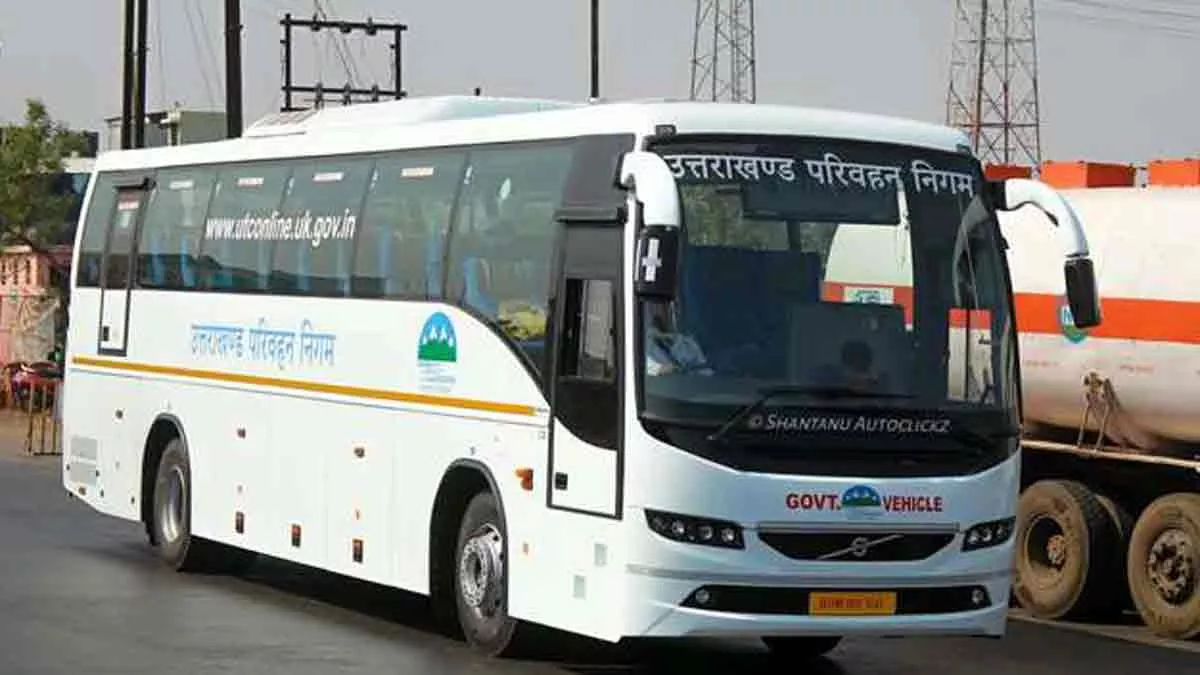
Uttarakhand CM Orders Launch of PM E‑Bus Seva Yojana in Dehradun
Uttarakhand is poised to significantly enhance its urban mobility and environmental sustainability with the imminent launch of the Pradhan Mantri E-Bus Seva Yojana. This initiative, spearheaded by the state’s leadership, aims to deploy 150 electric buses in Dehradun and Haridwar, transforming public transport into a smoother, more accessible, and eco-friendly experience. A parallel emphasis on rapidly expanding electric vehicle (EV) charging infrastructure across the state, alongside the introduction of a green cess on vehicles from other states, underscores a comprehensive strategy to achieve zero net carbon emissions in urban areas and foster more equitable and gender-neutral cities.
The comprehensive plan for implementing the Pradhan Mantri E-Bus Seva Yojana was recently reviewed, with clear directives issued for its swift rollout. The deployment of 150 electric buses in the key cities of Dehradun and Haridwar is anticipated to not only reduce air and noise pollution but also generate approximately 750 new employment opportunities, thereby contributing to local economic growth. This push for electric public transport aligns with national goals of promoting clean mobility and reducing India’s overall carbon footprint, demonstrating Uttarakhand’s commitment to sustainable development even in its sensitive Himalayan ecosystem.
A critical component of this green mobility drive is the accelerated establishment of EV charging infrastructure. Officials have been instructed to strategically set up charging stations near bus depots, public parking areas, government buildings, guest houses, and petrol pumps. This widespread network of charging points is essential to alleviate range anxiety for EV users and ensure the seamless operation of the new electric bus fleet. The state government’s proactive stance in creating a robust charging ecosystem is vital for encouraging broader adoption of electric vehicles, which in turn contributes to the vision of zero net carbon cities.
Beyond electric vehicles, the state is also expediting the process of implementing a ‘green cess’ on vehicles entering Uttarakhand from other states. This measure is designed to incentivise the use of less polluting vehicles and generate revenue that can be reinvested into environmental protection and sustainable transport initiatives. Such fiscal tools are increasingly being adopted by states to manage vehicular emissions and promote a healthier urban environment, reinforcing the principle that polluters bear a greater responsibility for their environmental impact. The timely completion of ongoing bus depot construction projects has also been prioritised to ensure the necessary logistical support for the expanding electric fleet.
The strategic focus on electric buses, coupled with the expansion of charging infrastructure and the introduction of a green cess, represents a holistic approach to urban mobility. This shift is expected to enhance public transport accessibility for all segments of the population, including women and other marginalised groups, by providing safer, cleaner, and more reliable commuting options. By fostering a transport system that is both environmentally conscious and socially inclusive, Uttarakhand is charting a course towards creating truly sustainable, gender-neutral, and equitable cities, setting a precedent for other states in their pursuit of green urbanisation.