


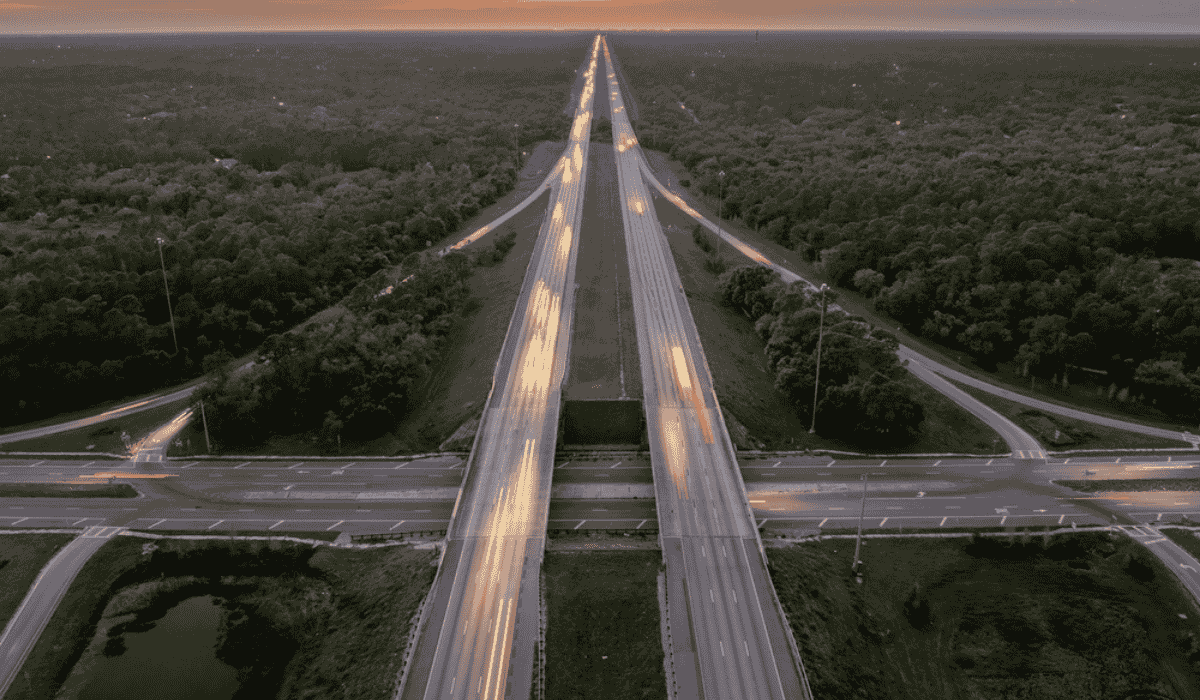
Uttar Pradesh is set to operationalise three major highway corridors over the coming months, strengthening its position as India’s most extensive expressway network. The rollout of these routes is expected to compress travel time between western districts, central urban centres and eastern growth belts, with far-reaching implications for logistics, real estate and regional industry.
Among the largest projects nearing completion is the Ganga Expressway, a nearly 600-kilometre access-controlled corridor linking western Uttar Pradesh with Prayagraj in the east. Designed to traverse multiple districts, the project aims to reduce end-to-end travel duration by almost half, offering a faster alternative to existing highways and easing freight congestion.Infrastructure officials indicate that the Uttar Pradesh New Expressways strategy is not limited to long-haul mobility. The Gorakhpur Link Expressway, approximately 90 kilometres in length, will connect Gorakhpur to the Purvanchal Expressway, integrating eastern districts with Lucknow and the National Capital Region. Planners see this as a catalyst for industrial clusters and agro-processing zones in eastern Uttar Pradesh.
A third corridor, commonly referred to as the Ghaziabad Kanpur Expressway, is intended to create a direct high-speed link between western urban centres and Kanpur’s industrial base. By bypassing congested state highways, the project is expected to improve freight reliability and lower logistics costs for manufacturers.Urban economists note that the Uttar Pradesh New Expressways programme could significantly influence land markets. Expressways typically trigger commercial warehousing, residential townships and roadside services along interchanges. Several districts along the Ganga and Ghaziabad-Kanpur routes have already recorded heightened interest from developers and logistics firms.
However, experts caution that transport infrastructure must be paired with robust land use planning. Without zoning controls and environmental safeguards, highway-led expansion risks unplanned sprawl and ecological stress. Incorporating green buffers, service roads and multimodal links can help align the Uttar Pradesh New Expressways with long-term climate resilience goals.Industrial analysts suggest that improved east–west connectivity may also rebalance economic activity within the state. Eastern districts, historically less industrialised, could gain improved market access and attract medium-scale manufacturing. Reduced transit time to Delhi and western ports could strengthen export competitiveness for small and medium enterprises.
For commuters, the benefits are more immediate: shorter journeys, safer road design and reduced congestion in urban cores. Yet the broader test will lie in how effectively these corridors integrate with rail freight, inland waterways and urban transit systems.As Uttar Pradesh accelerates highway expansion, the focus is shifting from mere road length to corridor-based development. The coming year will reveal whether the state can translate high-speed connectivity into sustainable, inclusive growth across its diverse regions.
Also Read:Bengaluru real estate brand backs city football club
Uttar Pradesh New Expressways Near Completion
