Uttar Pradesh Lucknow to Kanpur in 50 minutes via proposed 67 km rapid rail corridor
Uttar Pradesh is set to witness a major upgrade in its urban transit network with the proposed Lucknow-Kanpur rapid rail corridor. Aimed at slashing travel time between the two cities from nearly two hours to just 50 minutes, the 67-kilometre corridor will run between Naya Ganj in Kanpur and Amausi in Lucknow. The Uttar Pradesh Metro Rail Corporation has been directed to initiate the Detailed Project Report, which will determine financial viability, land acquisition needs, projected ridership, and cost structures for the upcoming infrastructure project.
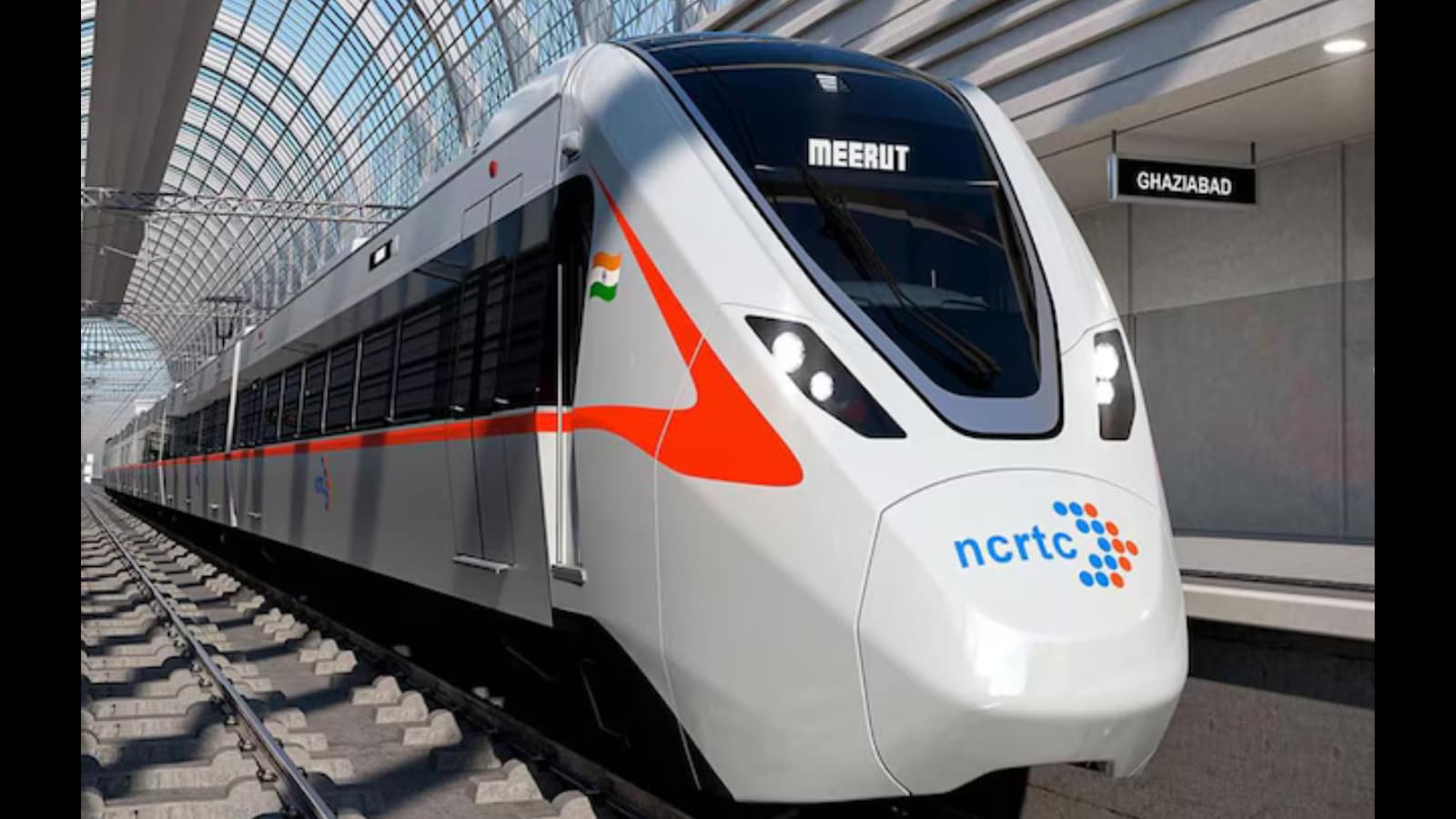
Uttar Pradesh continues to push forward with transformative transportation infrastructure, as plans to develop a high-speed rapid rail corridor connecting Lucknow and Kanpur gain momentum. This proposed 67-kilometre route aims to enhance regional mobility, reduce congestion, and offer a reliable alternative to existing road-based transit options. The initiative mirrors the successful Delhi-Ghaziabad-Meerut Regional Rapid Transit System (RRTS) model, aiming to bring the same level of efficiency to one of Uttar Pradesh’s busiest intra-state routes. With Lucknow as the state capital and Kanpur as a prominent industrial hub, seamless connectivity between these two urban centers is expected to bolster economic integration, improve daily commuting, and promote balanced regional development.
As per government officials, the Uttar Pradesh Housing Department has formally instructed the Uttar Pradesh Metro Rail Corporation (UPMRC) and the Unnao-Shuklaganj Development Authority to begin work on a Detailed Project Report (DPR). The DPR will assess multiple factors, including the project’s technical feasibility, financial model, daily ridership estimates, operating costs, expected revenue, and the extent of land required for construction. The proposed corridor is planned to start at Naya Ganj in Kanpur and terminate at Amausi in Lucknow. Both locations are currently linked to their respective metro systems, which will enable smooth multi-modal connectivity. This integration is expected to be a critical factor in ensuring high ridership and operational success once the corridor becomes functional.
Once the state government grants in-principle approval, a private consultancy firm will be appointed through a formal tender process to prepare the DPR. This preparatory phase will provide clarity on overall expenditure, land compensation, environmental impact, and timelines. Additionally, it will help determine the optimal alignment of the corridor, station locations, and construction technology to be used. Initial projections suggest that the corridor will significantly reduce the travel time between the two cities to just 50 minutes, compared to the current average of 90 to 120 minutes via road or conventional train. Such a dramatic reduction in travel time is expected to attract daily commuters, business travellers, and intercity workers, reducing pressure on existing highways and railways.
In addition to the rapid rail, the government is also constructing a six-lane expressway between Lucknow and Kanpur. The 63-kilometre expressway is being built to run through Bani, Kantha, and Amarsas, eventually reaching Azad Marg in Kanpur. Once completed, this expressway will provide a high-speed roadway option for those preferring personal vehicles or freight movement. Together, these two parallel projects — the rapid rail and the expressway — will revolutionise travel in the region by offering both rail-based and road-based high-speed options. Officials involved in the project have stated that once the DPR is submitted and approved, the Centre is expected to support the venture financially. The central government has already shown keen interest in expanding India’s rapid rail network under its National Infrastructure Pipeline (NIP), and the Lucknow-Kanpur corridor is likely to qualify as a priority route due to its economic and logistical relevance.
If implemented within the anticipated timelines, the project will not only provide faster mobility but also create employment opportunities, spur real estate growth near proposed stations, and improve last-mile connectivity through integration with metro and local transit networks. Authorities also plan to include environmentally sustainable practices, such as the use of green construction materials, solar energy at stations, and efficient rolling stock designed for energy conservation. Public response has been largely positive, with local residents, businesses, and daily commuters expressing optimism about reduced travel time and improved quality of life. Analysts expect the rapid rail corridor to follow a public-private partnership model, combining government support with private-sector efficiency to ensure timely execution and high-quality infrastructure.
In conclusion, the proposed Lucknow-Kanpur rapid rail corridor is not merely a transportation upgrade; it is part of a broader vision to develop Uttar Pradesh as a connected, sustainable, and growth-oriented state. With DPR preparations underway and strong administrative will backing the initiative, the project represents a bold step towards redefining urban mobility across North India.