


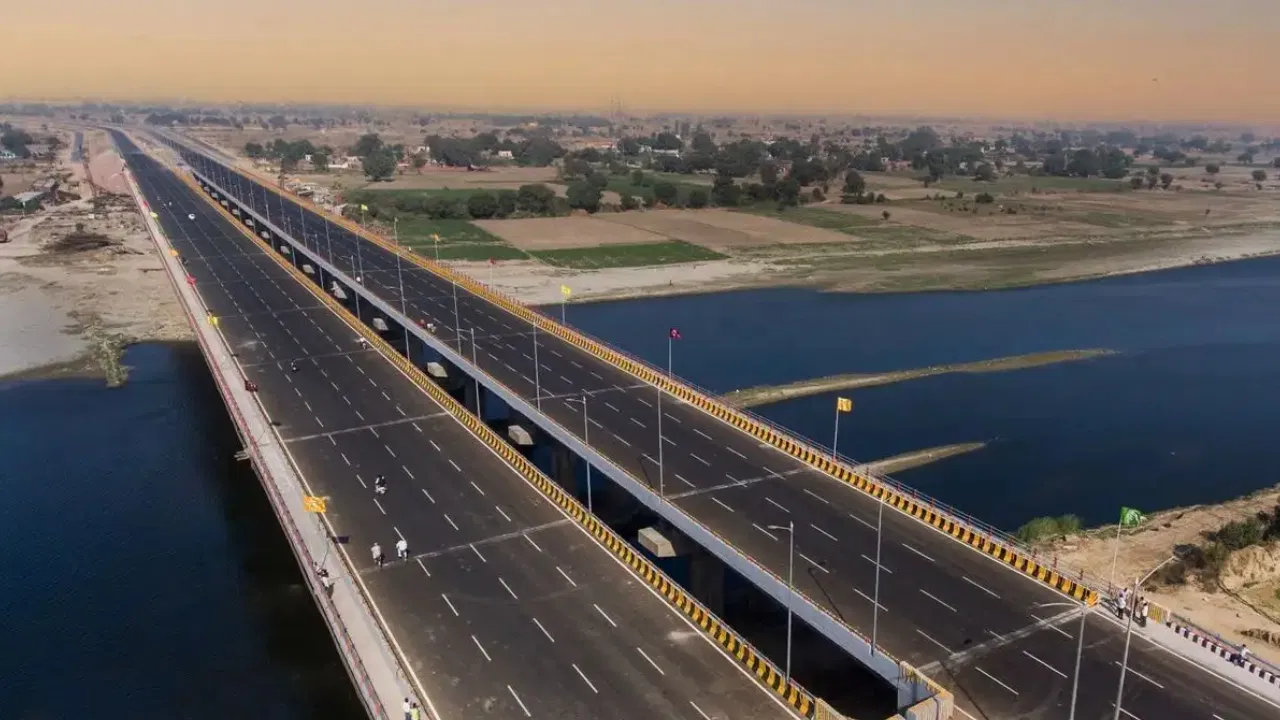
Uttar Pradesh is preparing to integrate cultural infrastructure along the Ganga Expressway, with plans to develop a 5,000 square foot art gallery and curated sand art installations to welcome travellers. The initiative reflects a broader effort to position high-speed road corridors not only as transport assets but as cultural and economic gateways.
Officials associated with the expressway project indicated that the proposed gallery will highlight regional history, crafts and heritage traditions. Temporary sand art displays are also being planned as part of inaugural activities, transforming sections of the corridor into a public-facing cultural showcase.The Ganga Expressway, one of the longest access-controlled highways under development in northern India, is expected to significantly reduce travel time between western and eastern districts of the state. Urban planners observe that such mega-corridors increasingly influence real estate growth, logistics investments and peri-urban expansion patterns. Embedding cultural infrastructure along these routes may help create identifiable nodes rather than purely transit-driven landscapes.
Infrastructure experts argue that highways can function as economic spines if supported by tourism, hospitality and local enterprise clusters. By integrating an art gallery within the expressway ecosystem, authorities appear to be exploring ways to generate place identity and local engagement beyond vehicular throughput.The Uttar Pradesh Ganga Expressway initiative also intersects with regional development strategies aimed at stimulating small businesses and artisan networks. Cultural installations can offer market access to traditional craft communities, especially if supported by curated exhibitions and digital outreach.
Transport economists note that expressways typically catalyse roadside commercial activity, warehousing hubs and residential townships. Without careful planning, however, they risk encouraging unregulated sprawl. Designating structured cultural spaces may support more organised node-based growth along the corridor.Environmental planners emphasise that expressway-linked development must incorporate green buffers, water management systems and energy-efficient public facilities. If designed sustainably, the proposed gallery could serve as a model for low-energy public buildings along transport corridors, aligning mobility expansion with climate-responsive architecture.
The broader significance of the Uttar Pradesh Ganga Expressway project lies in its scale. As connectivity improves, districts previously distant from major urban centres may witness increased land transactions and investment flows. Integrating heritage elements at the outset could shape how these emerging growth belts define their identity.Officials have not yet disclosed timelines for completion of the gallery structure, but planning discussions indicate it will be positioned as a permanent feature once the corridor becomes fully operational.
As India continues to expand high-speed road infrastructure, the Ganga Expressway experiment signals a shift in thinking — from highways as mere conduits of traffic to corridors capable of supporting culture, commerce and community. The long-term success of such efforts will depend on how effectively cultural infrastructure is integrated with sustainable land use planning and regional economic strategies.
Also Read:Bengaluru ED attaches Rs 1695 crore assets
Uttar Pradesh Ganga Expressway Art Gallery Planned
