


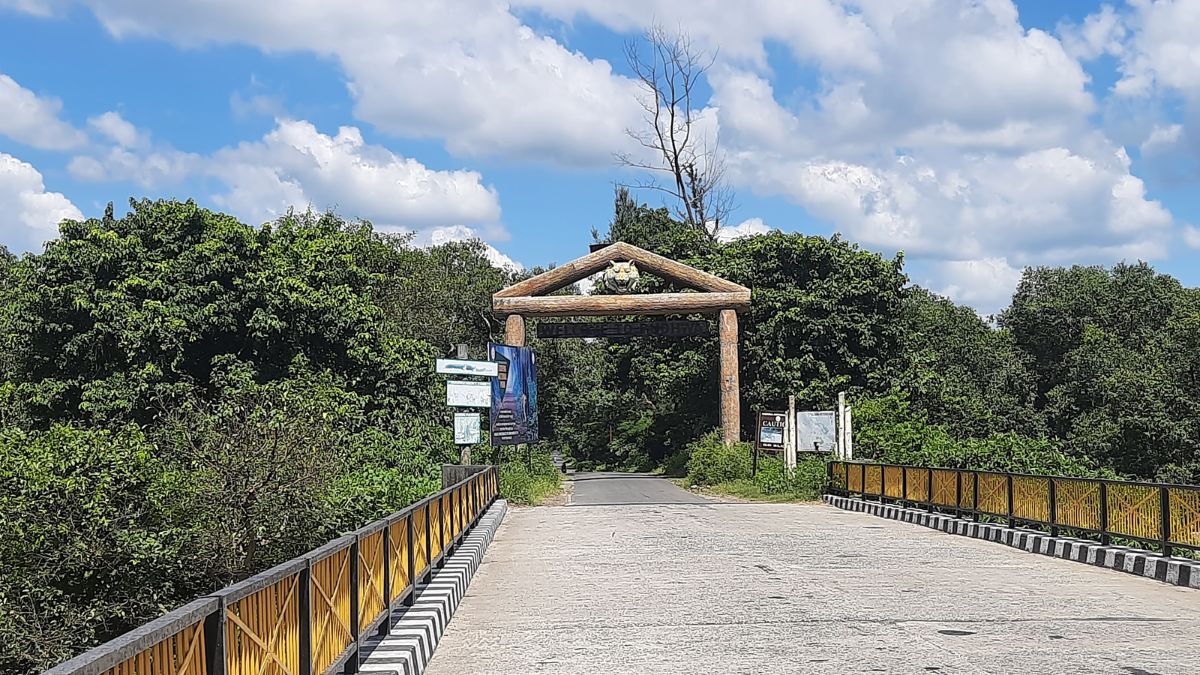
Uttar Pradesh is intensifying preparations to position the Dudhwa Tiger Reserve as a leading eco-sensitive travel hub ahead of the 2026 safari season, signalling a broader shift towards nature-based regional development. The move aims to strengthen visitor infrastructure while integrating local livelihoods, biodiversity education and low-impact tourism models.
Senior tourism officials confirmed that upgrades are underway across the Dudhwa landscape, including modernisation of interpretation facilities, improved visitor reception areas and enhanced wayfinding systems. The effort seeks to improve accessibility for families and wildlife enthusiasts without increasing ecological stress on the protected zone.The Uttar Pradesh Dudhwa Eco Tourism programme includes refurbishing existing administrative structures into public-facing reception spaces, alongside the creation of updated interpretation galleries designed to explain forest ecology and species diversity. Planners indicate that immersive visual tools and curated exhibits will help translate conservation science into visitor-friendly formats.
Road connectivity to entry gates is also being improved with standardised signage and information boards along key approach routes. Digital integration forms another pillar of the strategy, with consolidated booking systems and destination information hosted on state tourism platforms to simplify trip planning.Importantly, the Uttar Pradesh Dudhwa Eco Tourism initiative is being framed as a community-linked economic model. More than twenty registered homestays now operate in the surrounding belt, offering supplementary income streams for rural households. Hospitality experts note that decentralised accommodation reduces pressure on forest-edge resorts while dispersing visitor spending.
Capacity-building programmes are being conducted for homestay operators, particularly women entrepreneurs, focusing on guest management, digital payments and storytelling skills. Tourism economists argue that such training can convert seasonal visitation into stable micro-enterprises, especially in regions with limited industrial employment.Cultural integration is another defining component. The Tharu community, indigenous to the Terai region, is being encouraged to showcase traditional cuisine and handicrafts within approved tourism zones. Local millet-based meals and craft displays are expected to diversify the visitor experience while preserving intangible heritage.
Youth engagement is also part of the expansion. Approximately 150 local residents are undergoing training as nature guides for walking trails and wildlife interpretation. Conservation specialists highlight that employing local guides strengthens environmental stewardship and reduces human–wildlife conflict by aligning livelihoods with preservation goals.Urban planners tracking eco-tourism growth caution that infrastructure expansion must remain within carrying capacity limits. Sustainable waste management, renewable energy use in hospitality units and regulated visitor flows will be critical to ensuring that the Uttar Pradesh Dudhwa Eco Tourism vision does not compromise fragile ecosystems.
As states compete to develop green tourism corridors, Dudhwa’s evolution could serve as a template for integrating biodiversity protection with inclusive rural growth. The coming safari season will test whether investments in interpretation, community training and low-impact infrastructure can deliver both economic resilience and conservation outcomes.
Also Read:Mumbai Juhu land deal faces appeal
Uttar Pradesh Dudhwa Eco Tourism Upgrade
