Lucknow: India’s strategy to strengthen domestic defence manufacturing is gaining traction in northern India as the Uttar Pradesh Defence Corridor continues to attract large-scale industrial investments.
Officials report that the industrial ecosystem has secured investment proposals exceeding ₹35,526 crore, while multiple production facilities have already begun operations across the state’s six designated manufacturing nodes. The corridor, launched in 2018 as part of India’s effort to boost indigenous defence capabilities, spans six strategic locations—Kanpur, Jhansi, Lucknow, Aligarh, Agra and Chitrakoot. Together, these nodes form an integrated manufacturing network designed to support aerospace systems, defence components and advanced military technologies.
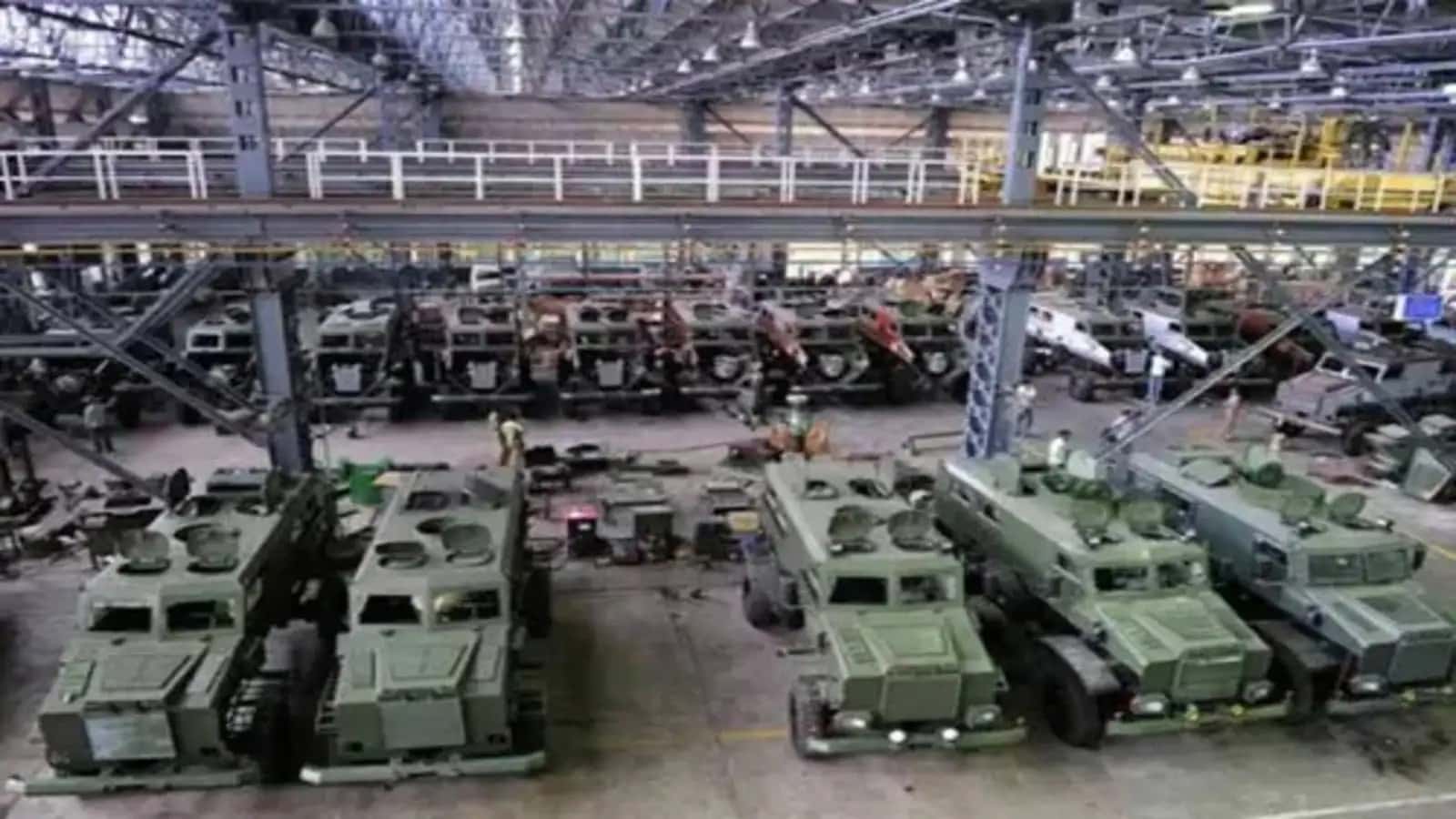
Government data indicates that around 2,040 hectares have been acquired for the initiative, with nearly half already allotted to industrial units. More than sixty companies have secured land parcels within the corridor, signalling growing interest from both large defence manufacturers and smaller suppliers looking to participate in the expanding defence supply chain. Industrial activity has begun to take shape on the ground. Nine production units are currently operational across the corridor, manufacturing a range of equipment including ammunition, electronic warfare systems, specialised alloys and precision engineering components. Additional facilities are moving through the construction or approval stages, suggesting a gradual scaling of industrial output in the coming years.
Investment distribution across the corridor reflects the differing industrial strengths of each node. Kanpur and Jhansi have attracted the largest commitments, while Lucknow and Aligarh are emerging as centres for advanced materials and defence electronics. Smaller but strategically located nodes such as Chitrakoot and Agra are expected to support ancillary manufacturing and logistics networks tied to larger production facilities. Policy planners view the corridor as a key component of India’s broader push toward defence self-reliance. By creating cluster-based industrial zones with dedicated land, transport links and regulatory clearances, the project aims to shorten production cycles and encourage domestic manufacturing of critical defence technologies.
The corridor is also expected to stimulate local economic activity beyond the defence sector. Industrial clusters typically generate employment across engineering services, supply logistics, metal fabrication and component manufacturing, creating opportunities for regional micro, small and medium enterprises to integrate into national and global defence supply chains. Urban development experts note that large industrial corridors increasingly function as catalysts for regional transformation. Infrastructure built to support manufacturing—such as highways, freight corridors and power networks—often triggers new urban growth centres around production hubs. In Uttar Pradesh, the defence corridor’s alignment along expressway networks is designed to ensure faster logistics and connectivity between industrial nodes.
As additional manufacturing units begin operations and land allocation continues, the Uttar Pradesh Defence Corridor is expected to deepen its role in India’s defence production landscape. If investment momentum continues, the project could evolve into one of the country’s most significant industrial ecosystems linking defence innovation, advanced manufacturing and regional economic growth.