


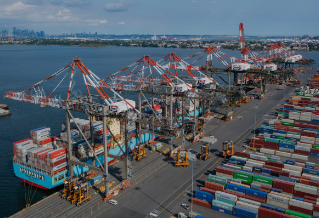
The bustling ports of Los Angeles and Long Beach, pivotal hubs in the United States’ import network, are witnessing import volumes approaching the peaks recorded during the pandemic. This surge, driven by preemptive stocking by retailers and looming tariff uncertainties, underscores a complex interplay of supply chain dynamics and economic anxiety.
In July, these ports experienced their third-highest monthly throughput ever, nearly matching the historic high achieved in May 2021. At that time, an unprecedented influx of consumer goods had led to severe supply chain disruptions, characterised by lengthy queues of cargo ships awaiting docking. Currently, while the ports are managing this heavy load, indicators suggest emerging capacity constraints.
Mario Cordero, CEO of the Port of Long Beach, expressed confidence in their operational resilience. “We are well-positioned for the peak shipping season, with robust capacity across our terminals and efficient cargo movement,” Cordero stated. This confidence comes amidst an uptick in freight activity, driven partly by retailers stocking up before anticipated US tariffs on Chinese imports and the threat of a large-scale strike by American dockworkers.
The situation is exacerbated by ongoing labour disputes on the East and Gulf coasts. Negotiations between longshoremen’s unions and employers have stalled, with the contract set to expire on 30 September. The uncertainty surrounding these negotiations is prompting some freight to reroute to West Coast ports. According to Sea-Intelligence, a one-day strike could lead to a five-day backlog in port operations, with a two-week strike potentially extending delays well into 2025.
Further complicating the landscape, retailers are racing to import goods before any potential escalation in tariffs. This urgency is compounded by concerns over possible future trade policies, particularly if former President Donald Trump, a proponent of increased tariffs, were to return to office. Recent data from the National Retail Federation and Hackett Associates indicates that US container imports are projected to reach 24.9 million TEUs this year, marking a 12% increase from the previous year and approaching the levels seen in 2021 and 2022.
West Coast ports, historically losing market share to their eastern counterparts, have regained dominance, with their share surpassing 50% for the first time in over three years. This shift is reflective of current market uncertainties, which are making it difficult to predict whether the peak shipping season has arrived prematurely or if demand will persist.
As consumer spending remains robust despite higher borrowing costs and a cooling labour market, businesses are wary of overstocking, given the potential for reduced consumer purchasing power. The latest retail sales figures show ongoing consumer resilience, though many Americans are increasingly relying on credit to finance their purchases. With savings from the pandemic largely depleted and wage growth slowing, the economic outlook remains uncertain as the country approaches a pivotal election and grapples with global geopolitical tensions.
