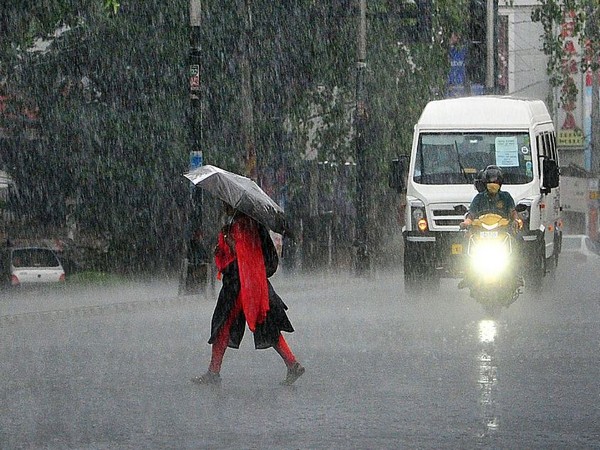
Maharashtra continues to reel under the impact of unseasonal rains and hailstorms, with several districts across the state reporting crop damage, infrastructure failures, and disrupted public life.
The India Meteorological Department (IMD) has issued a fresh alert for the next three days, warning of continued rainfall accompanied by gusty winds and thunderstorms. According to the IMD, the current weather conditions are influenced by the early advancement of the southwest monsoon, which has reached parts of the southern Bay of Bengal, Andaman Sea, and Nicobar Islands. A low-pressure area is likely to form between May 16 and May 18, with a cyclone expected to develop over the Bay of Bengal between May 23 and May 28. These developments may intensify weather disturbances across peninsular India, including Maharashtra. In Washim district, Karanja town witnessed a severe hailstorm on May 14 that caused extensive waterlogging and property damage. Several recently built roads were submerged, with stormwater entering shops and homes, prompting residents to criticise the quality of civic infrastructure.
Meanwhile, in Latur’s Udgir taluka, continuous rains for four days have devastated standing crops and livestock. Lightning strikes claimed the lives of two buffaloes and a cow, while another animal sustained injuries. A poultry farm reported the death of 600 chickens after strong winds tore off its roof. Mango orchards and fodder supplies have also been affected, raising alarms about a looming feed shortage. In coastal Konkan, including Sindhudurg’s Vaibhavwadi region, rainfall has persisted for three consecutive days. Though it has brought temporary respite from the heat, the damage to farmlands has triggered economic concerns among local farmers.
Officials have advised citizens in vulnerable areas to stay alert, especially as more rain and thunderstorms are predicted. With crop losses mounting and civic systems strained, local authorities are facing growing pressure to mitigate the impact and improve resilience to such climatic disruptions.