


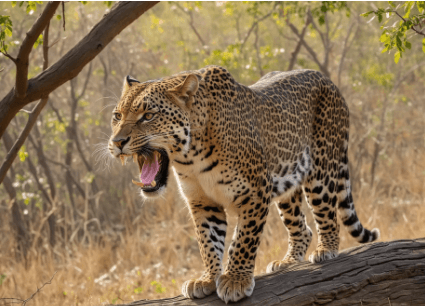
Union Minister Ramdas Athawale, in a continuation of his longstanding tradition, adopted a six-year-old leopard named Simba at the Sanjay Gandhi National Park (SGNP) on Wednesday. Athawale, who has consistently adopted leopards for his son Jeet over the past six years, visited the SGNP rescue centre with his team to formalise the adoption.
Last year, Athawale celebrated his son’s fifth birthday by adopting a leopard named Bhima, marking the occasion with a cake-cutting ceremony and the recitation of the Buddha Vandana. This year’s adoption of Simba underscores the Minister’s commitment to wildlife conservation and his personal connection to the leopards of SGNP. Sanjay Gandhi National Park, spanning approximately 105 square kilometres across Mumbai and Thane districts, is a vital ecological zone known for its rich biodiversity. The park supports a diverse array of flora and fauna, including mammals, birds, butterflies, amphibians, and reptiles. Among its prominent inhabitants are over fifty leopards, which coexist within the urban landscape, presenting a unique case of wildlife resilience and adaptation.
SGNP is not only a haven for wildlife but also a popular destination for visitors, featuring attractions such as a toy train, lion and tiger safaris, and the ancient Kanheri Caves complex, which dates back around 2,000 years. The park’s ability to blend natural beauty with historical significance makes it a cherished landmark in Mumbai. Athawale’s engagement with SGNP through the adoption programme highlights the critical role of public figures in promoting wildlife conservation. By adopting leopards, he brings attention to the importance of protecting these majestic creatures and their habitats. Such initiatives are crucial in fostering public awareness and support for conservation efforts, ensuring the long-term preservation of India’s natural heritage.
The Minister’s actions align with a broader movement towards wildlife conservation and sustainable interaction with nature. As urbanisation continues to encroach upon natural habitats, initiatives like Athawale’s serve as reminders of the delicate balance required to maintain biodiversity in urban settings. Athawale’s repeated adoptions set a positive example, encouraging others to contribute to conservation efforts. This gesture not only supports the leopards of SGNP but also reinforces the park’s mission to safeguard its diverse ecosystem amidst the challenges posed by urban expansion. Through his ongoing commitment, Athawale underscores the value of individual and collective action in preserving India’s wildlife and natural landscapes.
