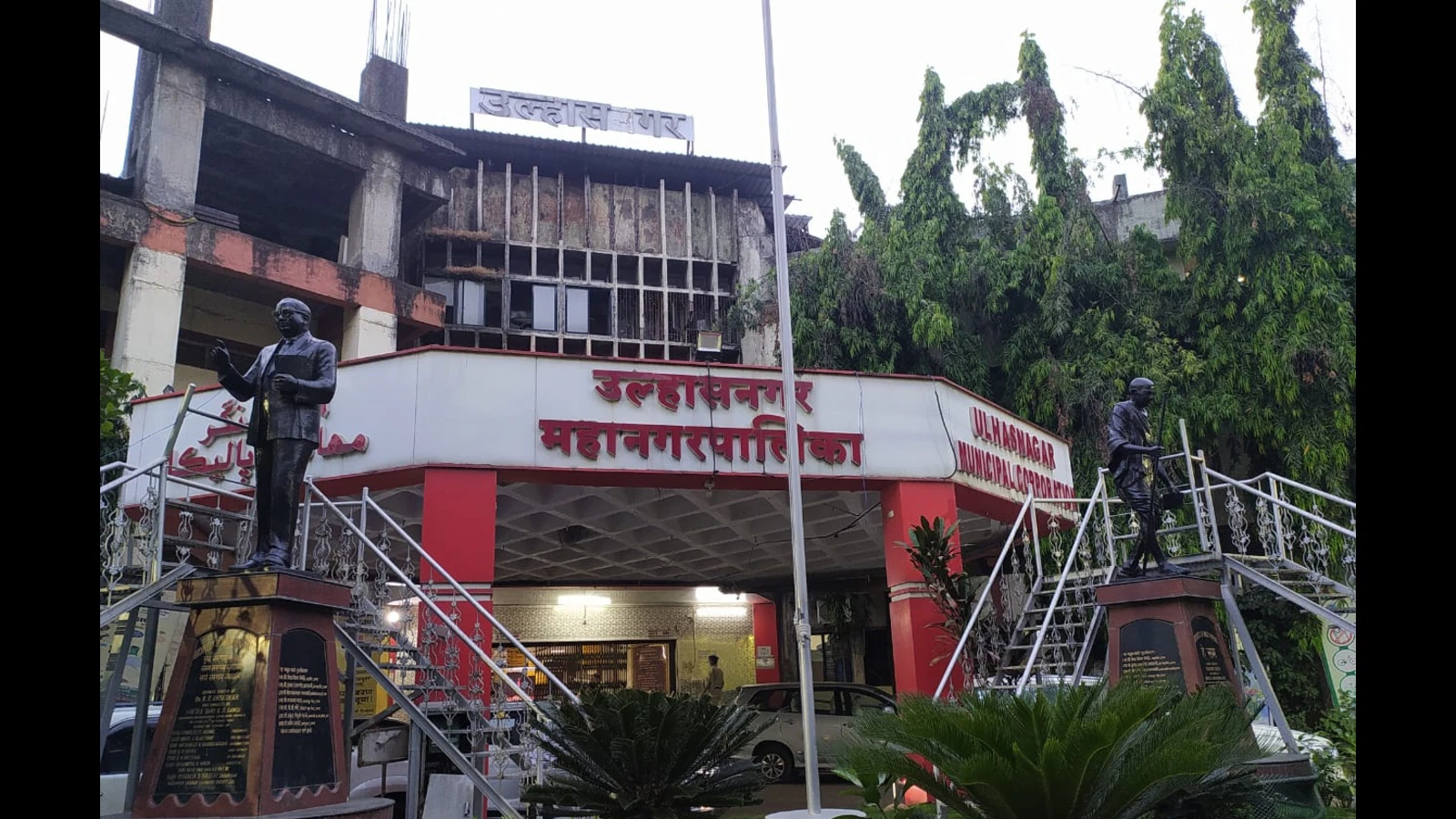
Ulhasnagar Municipality Enforces Neutrality Rules For Staff
In a move underscoring rising scrutiny of administrative conduct during local elections, the Ulhasnagar Municipal Corporation (UMC) has suspended a sanitation inspector for breaching election conduct rules, reflecting intensifying efforts to maintain neutrality among civic staff amid poll fervour in the Mumbai Metropolitan Region. The action highlights persistent governance challenges within municipal operations and raises questions about oversight mechanisms that affect public trust in local governance.
The UMC’s decision came after it was noted that the inspector’s photograph appeared alongside a political leader on election hoardings, and was used as a personal status on social messaging platforms. Municipal authorities viewed this conduct as a violation of mandated neutrality expected of public servants while elections are underway — a period governed by the Model Code of Conduct designed to ensure fairness and impartiality. Civic bodies typically operate under strict regulatory frameworks during elections to prevent administrative machinery from being leveraged in favour of contenders. Experts on municipal governance point out that enforcement of such norms is crucial for maintaining institutional integrity and public confidence, especially in peri‑urban centres like Ulhasnagar where local issues such as sanitation, housing pressures and basic service delivery are key voter concerns. This suspension signals an administrative willingness to address breaches, even at lower staff levels.
The UMC acted after a preliminary inquiry led to the conclusion that the official’s conduct compromised expected neutrality. Civil service conduct regulations bar government employees from engaging in political endorsements, or creating perceptions of partiality. Municipal observers note that even innocuous acts like a social media status can, during election periods, blur lines between personal expression and institutional bias, with potential implications for equitable civic service delivery. Urban governance specialists argue that proactive enforcement of the Model Code of Conduct within local bodies like UMC can serve as a litmus test for administrative accountability in smaller urban centres, which often struggle with resource constraints and overlapping political pressures. Such actions also contribute to reinforcing norms around civil service impartiality, an essential pillar when civic bodies oversee services like sanitation, water, public health and infrastructure maintenance — areas that directly affect residents’ daily lives.
However, analysts caution that a single punitive measure does not fully address deeper institutional gaps. Sustainable improvements require strengthening internal monitoring systems within municipal corporations, regular training on electoral compliance for employees, and transparent reporting channels for breaches. These investments can reduce ambiguities around permissible conduct and support more consistent civic service delivery throughout electoral cycles.
For residents, visible enforcement of election norms can enhance confidence that civic services remain consistent and fair, regardless of electoral competition. As Ulhasnagar moves through its poll schedule, how the UMC balances administrative neutrality with responsive governance will be closely watched by policymakers and urban stakeholders alike.