


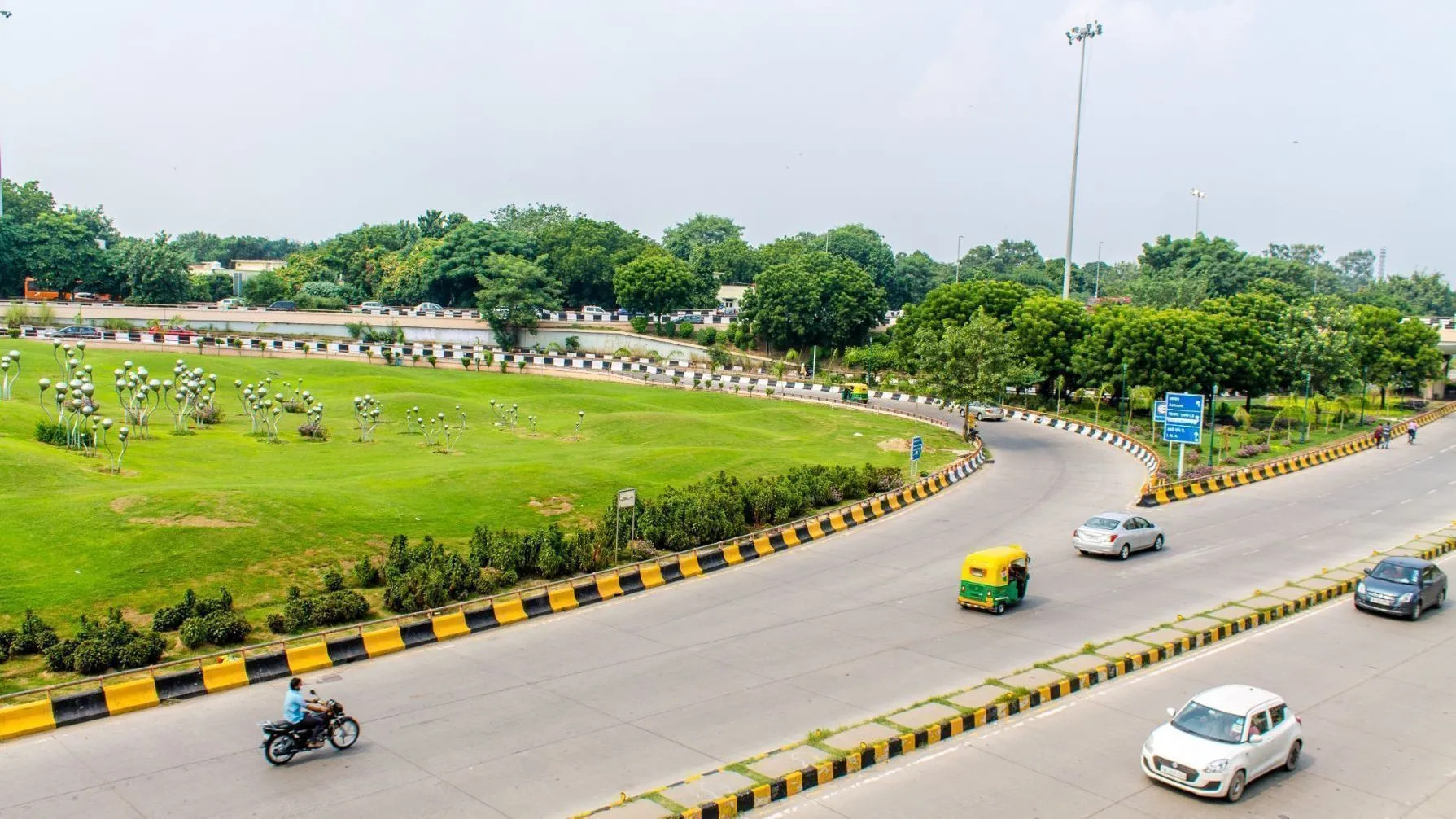
A new era for urban mobility in the National Capital Region is dawning with the full operationalisation of the Urban Extension Road-2 (UER-2) and the integrated Dwarka Expressway. This massive infrastructure project, built at an estimated cost of ₹8,000 crore, is set to drastically reshape the daily commute for millions, providing a seamless and direct link between various parts of Delhi and the Indira Gandhi International (IGI) Airport. The strategic completion of this third ring road is not merely a traffic solution but a major step towards building a more sustainable and equitable urban agglomeration, promising to slash travel times and significantly reduce the region’s carbon footprint.
The new corridor is a masterstroke in regional integration. UER-2 begins at Alipur on the Delhi-Chandigarh Highway and acts as a western bypass, traversing through Mundka, Najafgarh, and Dwarka before connecting with the Dwarka Expressway. This combined network then provides a direct, high-speed route to the IGI Airport, bypassing the heavily congested NH-48. This comprehensive route will offer much-needed relief to commuters from cities such as Sonipat, Rohtak, Panipat, and Bahadurgarh, providing a predictable and efficient travel option to the airport. The sheer scale and interconnectedness of this project, which includes a dedicated 8-km spur to connect Bahadurgarh, exemplifies a coordinated approach to building a cohesive and integrated urban ecosystem.
From an eco-friendly and zero-net-carbon perspective, the impact of these expressways is profound. A journey that currently takes up to two hours will be condensed into a swift 20-minute drive for many commuters. This drastic reduction in travel time directly translates to a significant decrease in fuel consumption and vehicular emissions. With a four to six-lane, high-speed design, the expressways will ensure smooth, uninterrupted traffic flow, eliminating the stop-and-go congestion that is a major contributor to air pollution in the capital. This project, therefore, is not just about convenience but is a vital piece of the government’s strategy to combat air quality concerns and advance sustainable urban development.
The completion of this corridor also addresses key aspects of social and economic equity. By providing a reliable and time-saving connection, the road network opens up new economic opportunities for residents and businesses in previously underserved areas of West and Outer Delhi. Improved logistics for the transport of goods will benefit local industries, while a more efficient commute for workers will enhance productivity and quality of life. The expressways’ ability to link up with major national highways like the Delhi-Rohtak and Gurugram-Sohna routes further integrates these peripheral regions, ensuring that all citizens have equitable access to the city’s economic, educational, and healthcare hubs. This infrastructure provides a stable foundation for a more inclusive and prosperous future, where access is not a privilege but a fundamental right.
This inauguration marks a pivotal moment in the evolution of Delhi’s infrastructure. By investing in smart, sustainable, and interconnected transport solutions, the government is not only alleviating immediate traffic problems but also laying the groundwork for a future-ready metropolis. The UER-2 and Dwarka Expressway stand as a testament to the power of strategic planning to create a more resilient, efficient, and integrated national capital region that serves the larger interests of society and the environment.
Also Read :Bihar Approves 704 New Bridges to Boost Rural Connectivity Drive
