


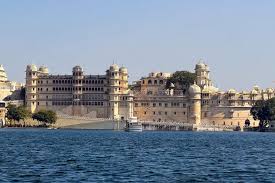
Udaipur’s luxury hospitality landscape is witnessing renewed global investor interest as a marquee resort asset in the Aravali hills undergoes a strategic ownership restructuring and expansion-led repositioning. The transaction reflects a broader recalibration underway in India’s tourism-driven real estate market, where institutional capital is selectively backing high-quality assets aligned with long-term travel and sustainability trends.
The investment involves a significant equity acquisition in a premium hill resort, accompanied by plans to elevate the property into a higher luxury category through additional suite inventory and experiential upgrades. Industry observers view the move as a calculated bet on destination-led hospitality, where heritage cities with ecological and cultural depth are emerging as resilient investment themes. Udaipur, often positioned as a flagship leisure destination, has seen a steady rise in high-spending domestic travellers and international tourists seeking longer stays, wellness-led travel and low-density luxury environments. Hospitality consultants note that such demand patterns favour resorts with expansive land parcels, strong brand affiliations and scope for responsible expansion criteria increasingly prioritised by institutional investors. The hospitality sector’s recovery has been structurally stronger than pre-pandemic cycles, driven by domestic tourism, improved air connectivity and rising discretionary spending. India has crossed a milestone in branded hotel inventory, with new signings outpacing completions, indicating sustained confidence in medium-term demand. Within this context, strategic equity infusions into existing assets allow investors to accelerate value creation without the risks associated with greenfield development. Urban development experts also highlight the civic implications of such investments. Large-format resort upgrades generate employment across construction, services and local supply chains, particularly in heritage cities where tourism remains a primary economic driver.
When executed responsibly, hospitality-led growth can support regional development while preserving ecological balance in environmentally sensitive zones such as the Aravali range. However, planners caution that expansion must be aligned with climate resilience and infrastructure capacity. Water stewardship, energy efficiency and waste management are critical considerations for resorts operating in semi-arid landscapes. Projects that integrate renewable energy systems, local materials and low-impact design are more likely to secure regulatory and community support in the long term. The transaction also signals a strategic rebuilding phase for global investors reshaping their Indian hospitality portfolios. Rather than pursuing scale alone, capital is being channelled into fewer, higher-quality assets capable of delivering stable yields and brand-led pricing power. This shift mirrors a broader move towards disciplined growth across real estate sectors.
As India’s tourism economy matures, cities like Udaipur stand at the intersection of heritage conservation and modern hospitality investment. The success of such deals will ultimately depend on whether financial returns can be balanced with environmental stewardship and inclusive local development an equation that will increasingly define the future of destination real estate in the country.
Also Read: Pune Residential Market Faces Affordability Flashpoint
Udaipur Tourism Real Estate Enters Expansion Phase
