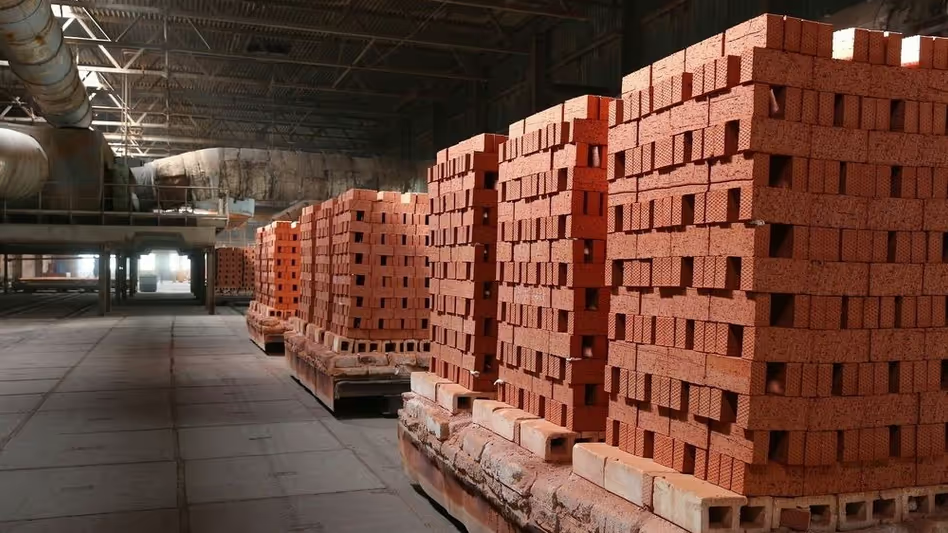
Tripura Brick Industry Threatened By Coal Shortage
Tripura’s brick manufacturing sector is teetering on the brink of collapse as a sudden stoppage of coal supplies from neighbouring Meghalaya and other sources has left the industry without its primary fuel for over two weeks, raising the prospect of widespread factory closures and significant job losses across the state. Brick kiln operators warn that without swift alternative arrangements, nearly all units may grind to a halt within days, highlighting vulnerabilities in supply chains for essential industrial commodities in India’s northeastern regions.
Coal remains vital for the production of fired clay bricks, a foundational material in construction and infrastructure development. In Tripura, an estimated 300 brick kilns — which supply units across both urban and rural building markets — have long depended on coal transported by road from Meghalaya and by rail from central India. However, industry representatives report that no coal shipments have entered the state in the past fortnight, leaving many kilns idle and others operating on dwindling stocks that could run out within about 10 days.Brick kiln owners say the sudden cessation of supplies has compounded existing pressures on the sector. Operators already faced rising coal prices and softening sales in recent years, compressing profit margins and discouraging investment in more efficient or lower-emission production technologies. The loss of access to consistent fuel supplies now risks reversing fragile recovery trends in construction material markets and upending livelihoods dependent on brick manufacturing.
Labour dynamics are adding to the crisis. Many kilns rely on seasonal and migrant workers, particularly skilled artisans from states such as Bihar, who prepare clay mixes and operate firing systems. Ongoing labour shortages this season — attributed in part to travel disruptions and competing employment opportunities — have left several units understaffed even before fuel scarcity intensified.The impending shutdown carries broader economic and civic implications. Bricks are a daily necessity for construction of housing, public infrastructure and urban expansion. A sustained interruption in supplies could delay ongoing building projects, inflate material costs and undermine small-scale construction enterprises that are central to local employment in both informal and formal sectors.Policymakers face a complex challenge. Ensuring a reliable fuel supply for brick kilns must be balanced against environmental and regulatory concerns related to coal extraction and transportation. Northeast India’s logistics are constrained by geography and infrastructure gaps, and dependence on cross-border coal movement — whether by road from Meghalaya or by rail from distant sources — has long been a structural weakness for Tripura’s industries.
The Tripura Brick Kiln Association has appealed to state authorities to facilitate new supply routes or secure alternative fuel arrangements to avert a shutdown and protect jobs. Solutions under consideration include expedited rail connectivity for coal consignments and exploration of non-coal fuel options, though these would require investment and time that struggling kilns may not have.As the countdown to potential closures ticks on, the situation underscores how regional energy flows and industrial inputs can directly influence economic stability in sectoral clusters — and how resilient supply chains are essential for sustaining both livelihoods and broader urban development goals.