


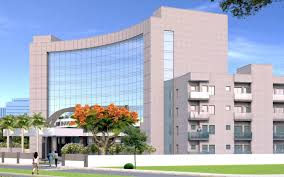
The government of Tripura has moved to strengthen its institutional footprint in the national capital with the launch of an expansion project at Tripura Bhavan in New Delhi, underscoring the growing role of state-run civic infrastructure in supporting inter-state mobility and public service access.
The expansion project, with an estimated cost of nearly Rs 3 crore, is designed to enhance accommodation and functional facilities for residents from Tripura who travel to Delhi for healthcare, education, administrative work and economic engagements. Officials involved in the project say the upgraded complex will help address long-standing capacity constraints at the state guest house, which has seen steadily rising demand over the past decade. Planned additions include six new residential rooms and two multi-purpose hall spaces, intended to support both short-term stays and small gatherings linked to official, cultural and community activities. Urban infrastructure experts note that such facilities play a critical but often overlooked role in enabling citizens from smaller and geographically distant states to navigate national institutions more effectively. State-run bhavans in Delhi function as gateways between regional populations and central governance systems. They provide logistical support for patients seeking advanced medical treatment, students attending national-level examinations or interviews, and entrepreneurs engaging with ministries, regulators and financial institutions. Strengthening this infrastructure is increasingly seen as part of inclusive urban governance rather than merely ceremonial presence. Officials familiar with the project say the expansion has been planned with a focus on efficient land use, given the limited availability of space in central Delhi. While the project is modest in scale, it reflects a broader trend of states investing in functional, service-oriented assets rather than large symbolic buildings.
Urban planners point out that such upgrades, when designed responsibly, can reduce informal accommodation pressures on surrounding neighbourhoods and improve safety and accessibility for visitors unfamiliar with the city. The inclusion of flexible hall spaces is also expected to support cultural exchange and small-scale economic interactions, reinforcing Delhi’s role as a meeting ground for India’s diverse regions. During the foundation event, the state leadership also held discussions with senior representatives of the national ruling party on development priorities and organisational coordination. While these meetings were political in nature, officials indicated that the focus remained on aligning state-level initiatives with national infrastructure and welfare frameworks. From a public finance perspective, analysts say the relatively low-cost investment reflects a pragmatic approach to capital expenditure, prioritising utility and service delivery over scale. In an era where states are being encouraged to optimise spending while improving citizen-facing infrastructure, such targeted projects offer replicable models.
As inter-state mobility continues to rise, driven by healthcare access, education and economic opportunity, the demand for well-managed state facilities in the capital is expected to grow. The Tripura Bhavan expansion signals an acknowledgement of this reality and highlights how even small infrastructure interventions can meaningfully improve the everyday experiences of citizens navigating India’s complex urban and administrative landscape.
Also Read: India Property Demand Concentrates In Higher Segments
Tripura Bhavan Expansion Strengthens Delhi State Presence
