Tripoli Adopts Hydroponic Farming to Boost Drought-Resilient Food Systems
As climate change disrupts traditional farming, Tripoli is emerging as a hub for climate-smart agriculture. In greenhouses across the Libyan city, farmers are embracing hydroponics — a soil-free method of cultivating crops — to grow food using 90% less water. Part of a wider innovation wave in Africa, this transition also includes recycling waste through 3D printing and tackling pollution from illegal dumping, marking a new era of sustainable agriculture and environmental responsibility.
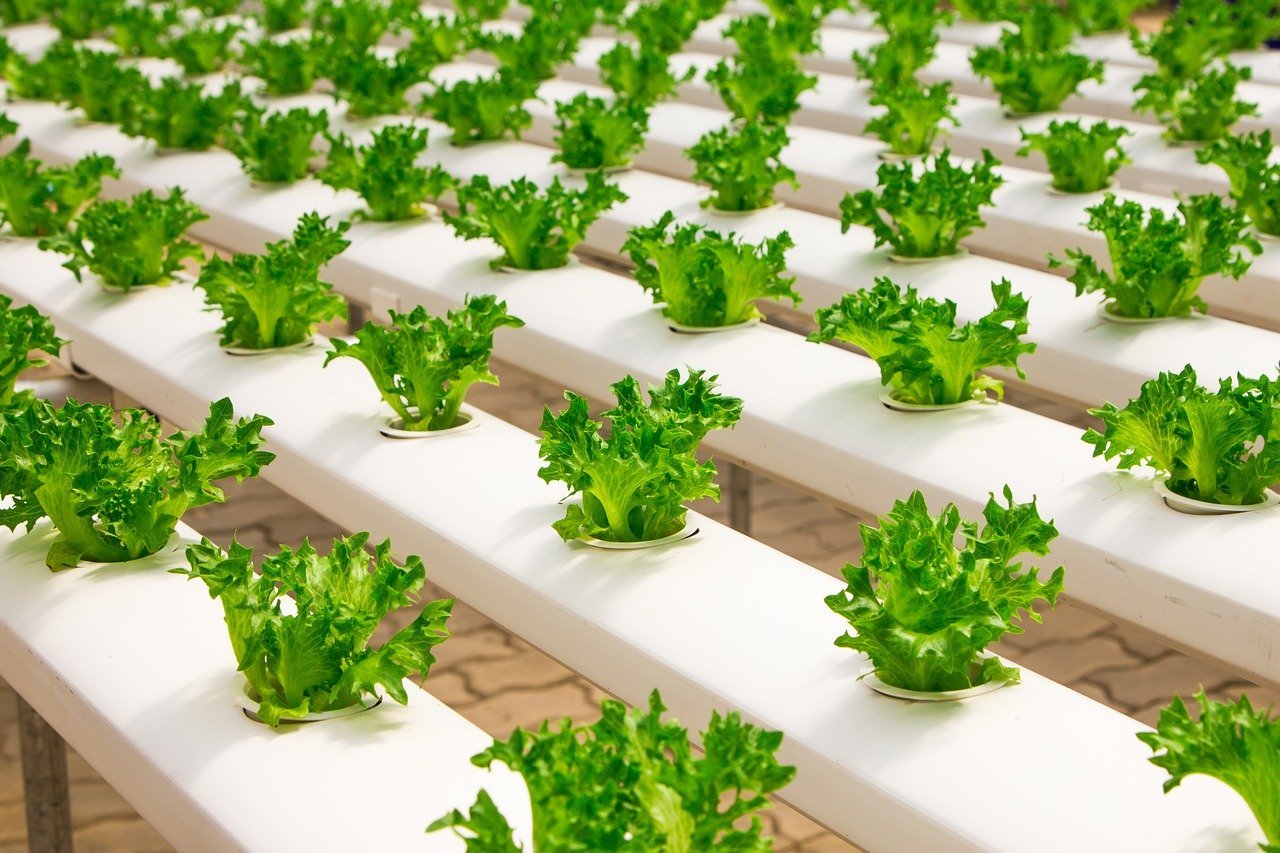
In Tripoli, a shift is underway that could reshape how food is grown in climate-vulnerable regions. By removing the need for soil, hydroponic farms use nutrient-rich water to grow lettuce and leafy greens inside controlled greenhouses. These systems dramatically reduce water consumption while enabling year-round food production, even in drought-prone or degraded landscapes. Senior experts say that hydroponics offers a vital lifeline for urban centres struggling with shrinking arable land and unpredictable rainfall. This method also minimises the use of chemical fertilisers, making it a cleaner, more sustainable alternative. As urbanisation accelerates and traditional farming proves less viable, young agricultural entrepreneurs are investing in hydroponic units and mobile greenhouse modules. Support from ecological NGOs and digital platforms is further helping farmers optimise yields through real-time monitoring. The success of these farms could serve as a blueprint for other African and global cities seeking resilient food systems in an era of climate instability.
Beyond farming, innovation in Tripoli and neighbouring regions is addressing environmental stress on multiple fronts. In Senegal, local engineers are turning plastic and scrap waste into farming tools and greenhouse parts using 3D printing, effectively closing the loop on waste and reducing import dependency. Meanwhile, in Gambia, authorities and environmental advocates are battling the threat of illegal dumping grounds, which contaminate waterways and contribute to disease outbreaks. Authorities are calling for integrated waste and agriculture management, noting that circular economy models — such as waste-to-tool conversion — can amplify both productivity and resilience. Experts suggest that combining hydroponics, waste reduction, and digital monitoring technologies forms a triple-impact strategy that conserves water, cuts emissions, and secures food production. Tripoli’s eco-farming efforts, spotlighted in the DW Eco Africa programme, not only offer sustainable solutions but also empower communities with new jobs and skills. Together, these actions represent a growing climate-conscious movement across the continent.
Tripoli’s embrace of soil-free farming marks a turning point in how cities can adapt to climate disruptions while securing their food supply. By combining hydroponics with smart waste recycling and innovation from across Africa, urban agriculture is being transformed into a low-emission, high-yield sector. Senior experts view these grassroots-led experiments as critical blueprints for sustainability in both developing and developed nations. With continued support, these climate-resilient techniques can scale rapidly, providing ecological, economic, and nutritional benefits. As Tripoli shows, the path to greener futures may begin not in the soil, but in technology, community resilience, and cross-border collaboration.