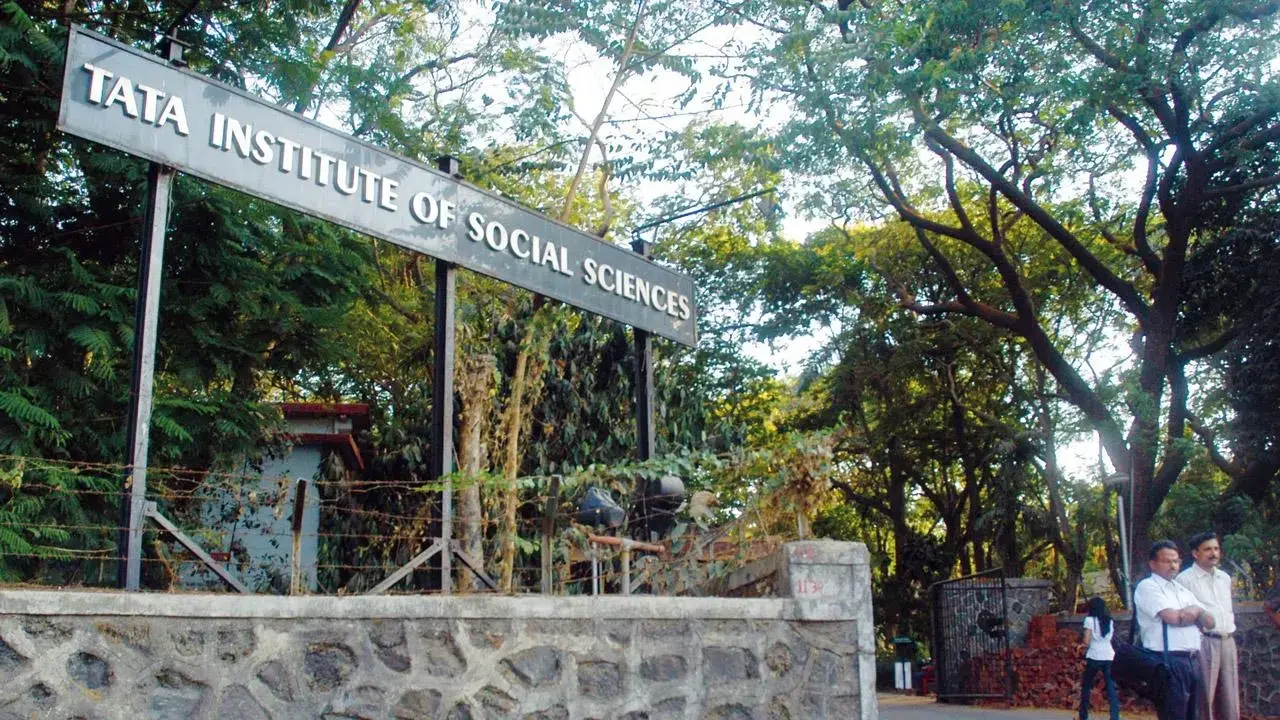
The Tata Institute of Social Sciences (TISS) has initiated a district-level climate action planning process in Raigad, positioning gender equity and community participation at the centre of climate governance. The initiative marks a shift from conventional emissions-focused planning to a more people-first framework, recognising that climate risks intersect deeply with livelihoods, health, and social inequality in semi-urban and rural regions surrounding Mumbai.
Raigad’s selection reflects both its environmental vulnerability and its socio-economic diversity. The district encompasses coastal settlements, tribal belts, agricultural communities, and rapidly urbanising nodes influenced by Mumbai’s metropolitan expansion. Climate stresses—ranging from erratic rainfall to heat stress and livelihood disruption—are already reshaping everyday life, particularly for women engaged in farming, resource collection, and informal work. Unlike city-level climate plans that often remain technocratic, the Raigad exercise is being designed as a bottom-up process. Urban planners and policy experts involved in the initiative say the approach recognises women not only as vulnerable groups but as critical agents of adaptation. Their lived experience in managing water, food security, and care work is expected to inform practical, locally grounded responses to climate risks.
The roadmap spans three years and aims to embed climate action into routine local governance. Village-level institutions are expected to play a central role, with capacity-building programmes planned for local development committees. Climate priorities will be aligned with decentralised development plans, allowing sustainability goals to influence everyday decisions on infrastructure, agriculture, and public services rather than remaining isolated policy documents. State officials involved in Maharashtra’s climate planning framework view the initiative as a testing ground for the next phase of decentralised climate governance. The state has been working towards expanding climate action beyond major cities, and district-level plans are increasingly seen as necessary to address regional disparities in exposure and resilience. The Raigad model is expected to generate lessons that can be adapted across other districts with varying ecological and social contexts.
The launch also served as a curtain-raiser for Mumbai Climate Week, signalling a growing emphasis on linking metropolitan climate conversations with district and village realities. Climate researchers note that without such vertical integration, urban climate strategies risk overlooking supply chains, labour flows, and ecological systems that extend far beyond city boundaries. As climate impacts intensify, the Raigad initiative highlights a broader recalibration underway in India’s climate discourse—one that values local knowledge, prioritises equity, and treats governance reform as central to resilience. Its success will likely be judged not by reports alone, but by how effectively climate planning reshapes development choices on the ground.
TISS Begins District Climate Planning With Gender Lens