Tirunelveli Gains Industrial Edge as Vizhinjam Port Spurs Tamil Nadu Expansion
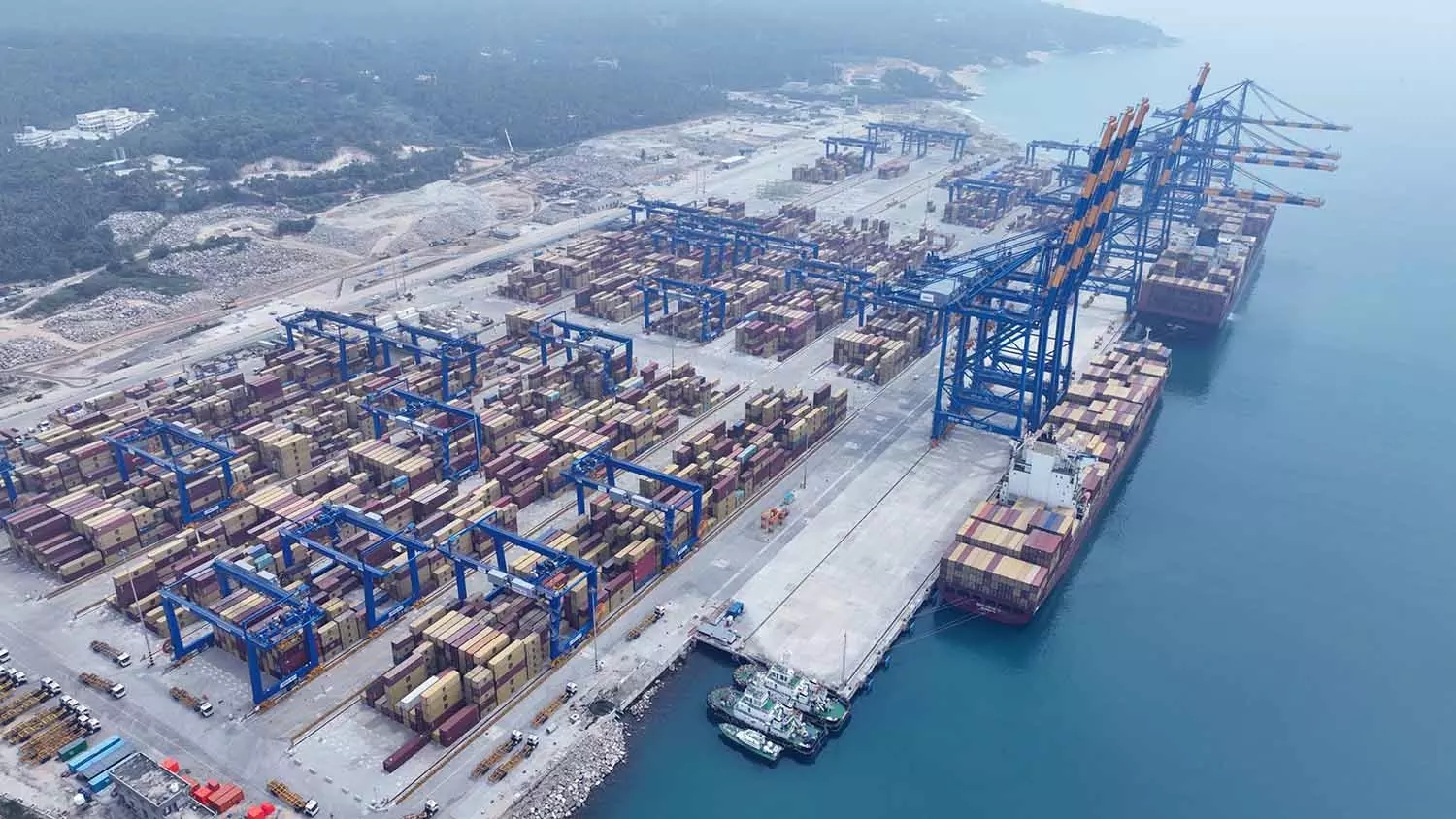
Tirunelveli district in Tamil Nadu is fast emerging as a strategic industrial hub by leveraging its proximity to the upcoming Vizhinjam International Seaport in Kerala. While Kerala continues to face hurdles in land acquisition, Tamil Nadu has sanctioned four new industrial parks aimed at capturing port-linked economic benefits. Industry watchers say the state’s rapid infrastructure planning could divert major investment opportunities, redefining regional trade corridors in southern India and reducing Kerala’s immediate industrial competitiveness around the seaport.
Tamil Nadu’s timely and targeted approach has placed Tirunelveli on the fast track for port-linked industrial development. Four new SIPCOT industrial parks—two in Nanguneri, one in Moolakaraipatti, and the Phase 2 extension at Gangaikondan—have been sanctioned to take advantage of the emerging Vizhinjam trade ecosystem. These zones are located just across the Kerala border and fall within easy logistical reach of the Vizhinjam International Seaport. Authorities have already greenlit the acquisition of over 2,260 acres in these locations. Analysts note that Tamil Nadu’s large land banks, coupled with attractive lease terms between ₹70 lakh and ₹1 crore for 99 years, have proven effective in attracting investors. The focus is not only on export-linked manufacturing but also on logistics and cold-chain services. As global container traffic eyes southern India’s port infrastructure, Tamil Nadu’s preparedness positions it as a front-runner for new investments and supply chain realignment in the region.
In contrast, Kerala’s development around the Vizhinjam Port remains constrained by limited land availability and slow negotiations. Industrial planners have so far secured only around 100 acres through Kinfra near the port, with additional parcels still under negotiation in Thiruvananthapuram district. Though Kerala envisions a larger port-based development corridor stretching from Palakkad to Vizhinjam, experts argue that the lack of immediate land infrastructure near the port could limit first-mover advantages. While districts like Palakkad host existing parks, the logistical distance from the port weakens the appeal for industries dependent on maritime supply chains. As Tamil Nadu accelerates development just kilometres from Vizhinjam, regional stakeholders warn that investor interest may shift decisively unless Kerala addresses acquisition delays and competitive pricing. Industrial development, especially port-adjacent, hinges on speed and scale—two areas where Tamil Nadu has taken a decisive lead, leveraging its institutional readiness and aligning policy with rapid execution.
The diverging paths of Kerala and Tamil Nadu around the Vizhinjam Port highlight a broader story of planning readiness and competitive industrial positioning. While Kerala possesses the geographic advantage, Tamil Nadu is capitalising on administrative momentum and land availability to secure investor attention. Experts emphasise that the first wave of port-linked industrialisation often shapes long-term economic corridors. Unless Kerala accelerates land reforms and project execution near Vizhinjam, the economic ripple effect may bypass it in favour of neighbouring regions. For southern India’s port economy to flourish equitably, synchronised regional planning and policy urgency will be critical moving forward.