Thoothukudi Port To Become Indias First Carbon‑Neutral Port by 2026
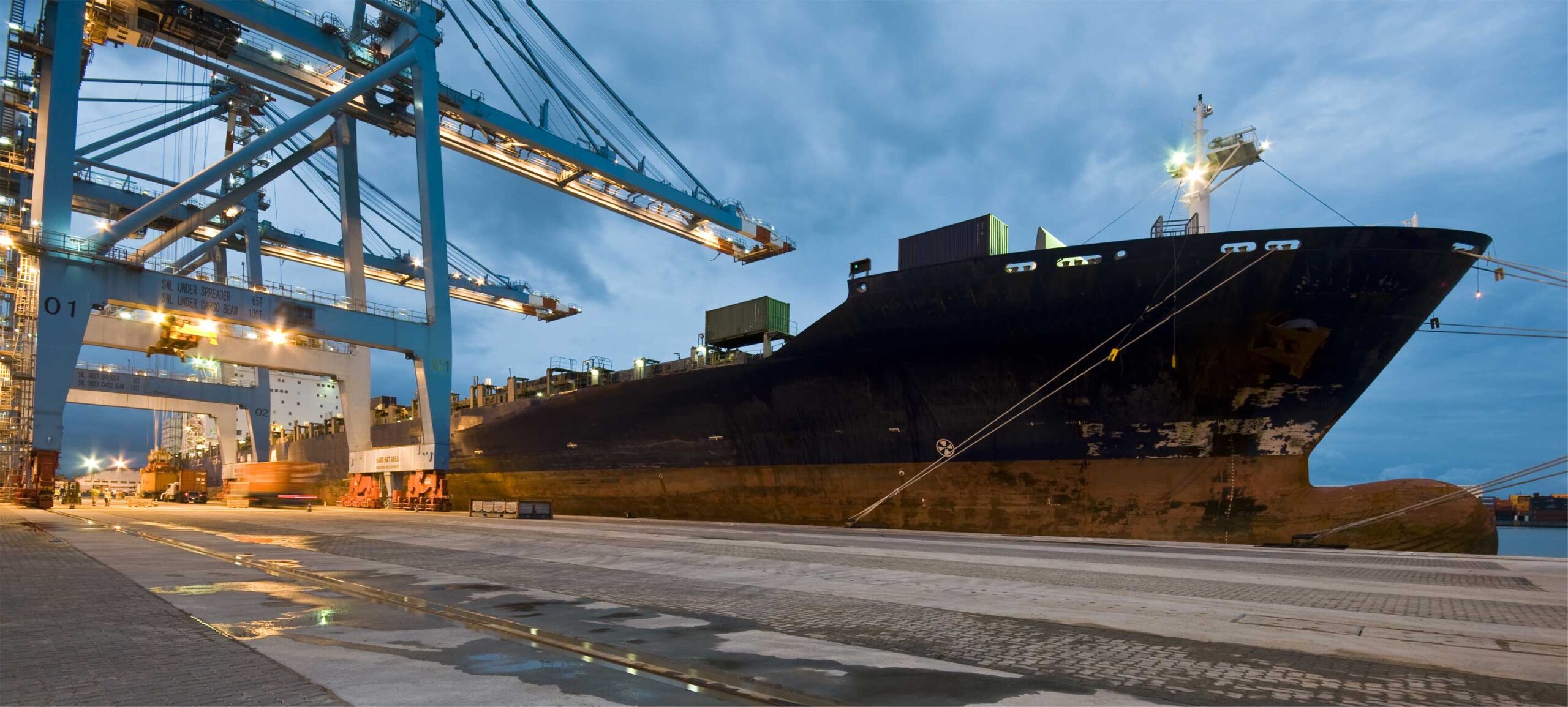
Thoothukudi, a major port city on India’s coastline, is poised to become the nation’s first carbon-neutral port by 2026. This ambitious goal is driven by a comprehensive strategy that leverages renewable energy and innovative green fuel technologies. The initiative places the port at the forefront of a global shift towards sustainable maritime infrastructure, setting a powerful precedent for eco-friendly economic development and equitable urban growth for the citizens and industries alike.
This significant environmental milestone is being achieved through a multi-faceted approach. A major portion of the port’s electricity needs are already met by a combination of solar and wind power, a pioneering effort that has successfully reduced greenhouse gas emissions by 50 per cent. This has been a testament to a long-term, calculated strategy. The final push to achieve complete carbon neutrality will come with the installation of an additional 6MW solar power plant, which will ensure that the port’s operational footprint is entirely clean. This development signals a profound commitment to a zero-net-carbon future, an essential step in combating climate change and creating a healthier environment for the city’s populace.
Beyond its internal energy consumption, the port is also spearheading the decarbonisation of the wider maritime sector. A green methanol facility, being developed at a capital outlay of `35 crore, is expected to be operational by the end of this year. This state-of-the-art facility will enable the launch of a dedicated ‘green route’ for ships powered by green methanol, initially connecting Thoothukudi VOC Port with Gujarat’s Kandla Port. This is a game-changing move that not only promotes green shipping but also fosters an ecosystem of innovation and sustainable trade, offering a cleaner economic pathway for countless individuals.
Further cementing its role as a leader in green innovation, Thoothukudi has been designated as one of India’s three green hydrogen hubs. A substantial allocation of 500 acres of land within the port complex has been made available for companies to establish green hydrogen production facilities. While the initial phase of hydrogen production is slated to begin in 2029, this forward-looking investment underscores a commitment to long-term sustainability and a diversified energy future. The focus on such projects is vital for nurturing new, gender-neutral skill sets and job opportunities, making the port’s economic engine more inclusive and robust.
The port’s transition is more than just a technological upgrade; it is a profound social statement. By championing sustainability, the port authorities are contributing to a healthier and more equitable city for all. The reduction in emissions will lead to improved air quality and better health outcomes for local communities. The strategic investment in green infrastructure will create new avenues for growth and prosperity, ensuring that the benefits of this economic hub are shared widely. This transformation positions Thoothukudi as a blueprint for other urban centres, demonstrating that economic progress and environmental responsibility can—and must—go hand in hand to create truly sustainable, thriving communities.