


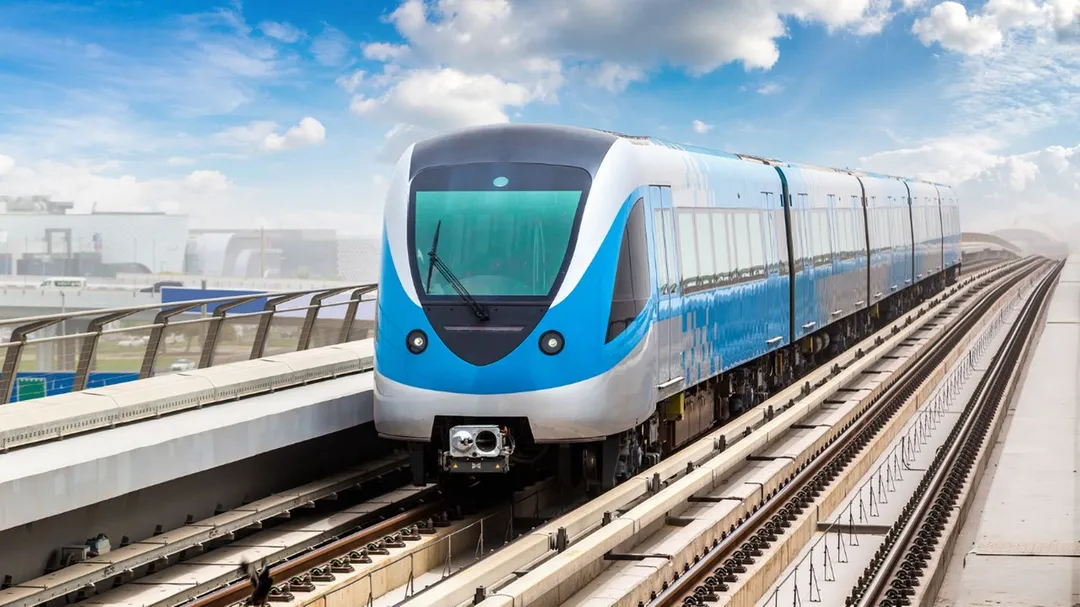
The proposed metro rail project in Thiruvananthapuram is facing renewed uncertainty as completion of its Detailed Project Report (DPR) slows following alignment revisions and impending election-related restrictions. The delay has implications not only for urban mobility planning but also for investment timelines tied to Kerala’s capital city growth corridor.
The Thiruvananthapuram Metro DPR Delay stems primarily from technical adjustments to the Phase I corridor. The report is being prepared by Delhi Metro Rail Corporation, while project oversight rests with Kochi Metro Rail Limited. Officials involved in the process indicate that revisions were undertaken to optimise ridership forecasts, reduce land acquisition complexity and strengthen multimodal integration.Initial proposals envisaged a north-south stretch linking Technocity with southern suburbs. Subsequent iterations refined the alignment to connect Kazhakkoottam and Pappanamcode through dense residential and institutional nodes, while also incorporating a spur along National Highway 66 toward Enchakkal to improve airport access. Such recalibrations required updated traffic modelling and demographic studies, extending preparation timelines.
The emerging Thiruvananthapuram Metro DPR Delay also intersects with the political calendar. With the model code of conduct for the forthcoming Kerala Assembly elections expected soon, administrative approvals for major infrastructure proposals may face temporary suspension. Infrastructure economists note that timing is critical, as DPR approval unlocks subsequent funding discussions with state and central agencies.Urban mobility analysts argue that alignment optimisation, while time-consuming, is essential for long-term viability. “Metro systems must respond to actual commuter flows rather than legacy assumptions,” said a transport planner tracking southern India’s rail projects. Correcting alignments at the DPR stage can prevent costly redesigns during construction.
However, prolonged uncertainty can dampen investor sentiment in transit-oriented development zones. Landowners and developers often calibrate plans based on anticipated station locations. Delays risk slowing ancillary infrastructure, including affordable housing and commercial clusters.From a sustainability standpoint, the metro proposal remains central to Thiruvananthapuram’s low-carbon mobility transition. Rising private vehicle usage has intensified congestion along NH 66 and key arterial roads. A well-integrated rail network could ease pressure on road infrastructure, lower emissions and enhance access to employment hubs.
Officials suggest that efforts are underway to finalise technical assessments before submitting the DPR for state consideration. Whether cabinet approval occurs before the enforcement of election restrictions will shape the project’s immediate trajectory.For Kerala’s capital, the metro remains a strategic mobility intervention. The pace at which the DPR advances will determine how quickly Thiruvananthapuram can align urban expansion with sustainable transport infrastructure.
Also Read:Kolkata Sees Maximum Temperatures Cross Thirty
Thiruvananthapuram Metro DPR Delay Concerns Rise
