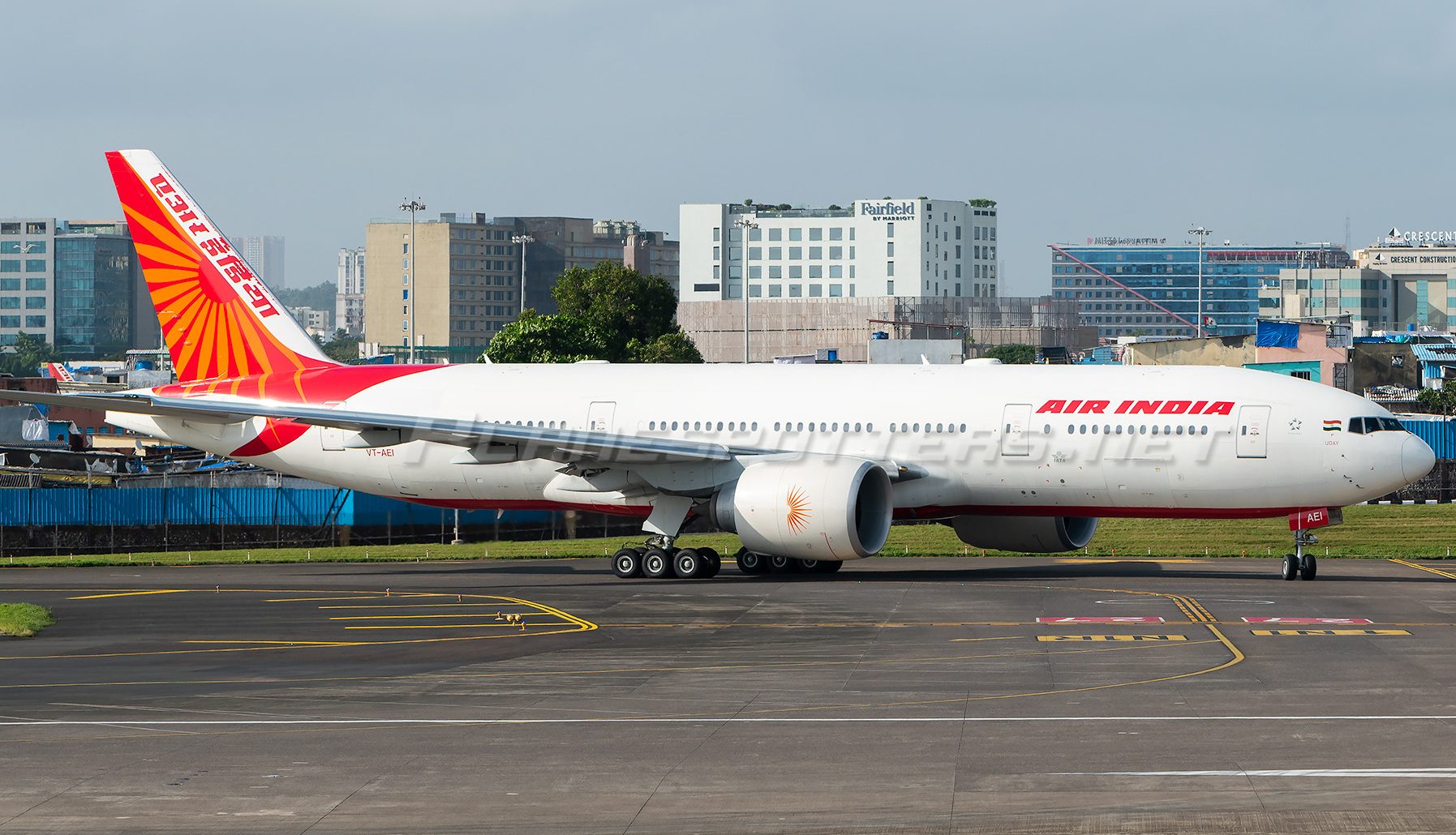
Thiruvananthapuram-Delhi Air India Flight Makes Emergency Landing in Chennai
A recent incident involving an Air India flight diverted to Chennai has placed a harsh spotlight on the critical intersection of technical malfunctions and air traffic coordination. The Delhi-bound flight, carrying several high-profile political figures, was forced into a precautionary landing at Chennai due to a suspected weather radar malfunction. The situation escalated dramatically when the aircraft’s initial landing attempt was aborted, a circumstance that has since led to conflicting accounts and a formal investigation by the Directorate General of Civil Aviation (DGCA). This near-miss underscores the need for robust, zero-carbon, and sustainable aviation practices that prioritise passenger safety and precision at every level of operation.
According to statements from passengers on board, including senior officials, the journey turned harrowing after the crew announced a technical issue. What ensued was a tense circling period to burn off excess fuel, a standard procedure for overweight landings. The most alarming moment, however, was a claim from passengers that as the aircraft descended for its first landing, another plane was present on the runway, forcing a last-second ‘go-around’ to avoid a potential catastrophe. This account of a near runway incursion, a highly dangerous event in aviation, stands in contrast to the official statement provided by the airline. The conflicting narratives highlight a crucial breakdown in communication and a point of serious contention that the DGCA is now tasked with untangling.
The airline has clarified that the go-around was instructed by Air Traffic Control (ATC) due to a report of foreign debris on the runway, a separate safety measure. While the debris was not found upon inspection, the incident reveals the heightened state of alertness required for modern air travel. The DGCA’s investigation is now poised to look into both the initial technical snag and the subsequent sequence of events that led to the aborted landing. Beyond the immediate incident, this event brings to the forefront a broader conversation about modernising air traffic management systems and ensuring that communication between pilots, ATC, and ground crew is flawless.
As air travel continues to grow, incidents like this serve as a powerful reminder that technological advancements alone are not enough to ensure safety. The human factor—the skill of the pilots, the precision of the air traffic controllers, and the effectiveness of communication protocols—remains paramount. The DGCA’s eventual findings and recommendations will be vital in addressing these operational vulnerabilities. The ultimate resolution must be a commitment to a sustainable and equitable aviation system, where passenger safety is not a matter of luck but a guarantee upheld by rigorous standards and unshakeable accountability.