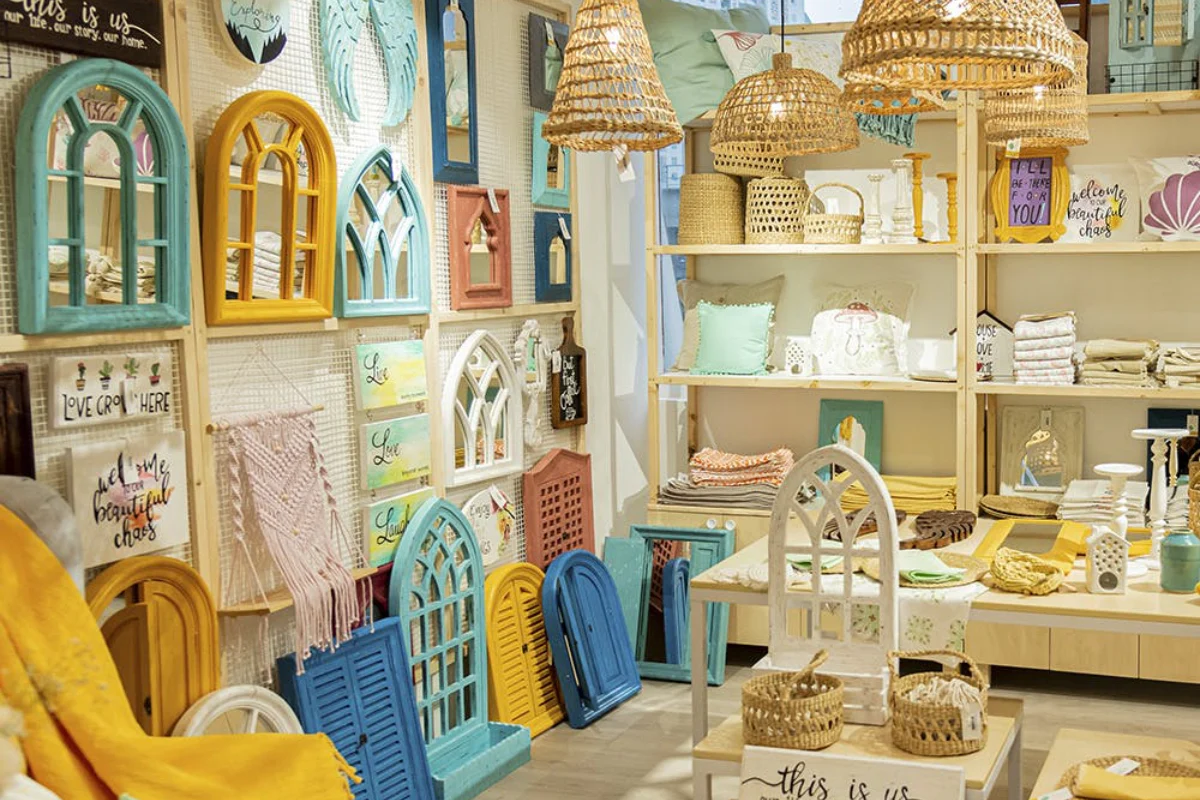
The Yellow Dwelling Drives Sustainable Home Design Shift
A growing emphasis on sustainability in residential interiors is reshaping how Indian homes are designed, with brands like The Yellow Dwelling advancing a philosophy that combines natural materials, ethical production, and contemporary aesthetics. The shift reflects a broader transformation in the built environment, where design decisions increasingly align with environmental responsibility and long-term usability.
At the core of this approach is a move away from synthetic, mass-produced décor towards materials such as cotton, linen, jute, and other biodegradable fibres. These materials not only reduce environmental impact but also improve indoor health conditions, responding to growing awareness around chemical exposure and material safety in homes. The Yellow Dwelling, for instance, focuses on natural fibres and non-toxic dyes that meet global safety standards, reinforcing a design language rooted in both wellness and sustainability. This design philosophy is closely tied to changing urban lifestyles. As Indian cities become denser and more resource-constrained, homeowners are seeking interiors that are functional, durable, and environmentally responsible. The demand is shifting from purely aesthetic upgrades to solutions that balance comfort with conscious consumption. In this context, sustainable home design is no longer a niche preference but an emerging mainstream expectation.Industry experts note that sustainability in interiors is increasingly being approached as a system rather than a feature. This includes responsible sourcing of raw materials, low-waste manufacturing processes, and lifecycle thinking in product design. The Yellow Dwelling’s model—where fabric waste is repurposed into smaller products and supply chains are optimised for minimal environmental impact—illustrates how circular practices are being integrated into the sector.
The shift also has economic implications. By relying on locally sourced materials and artisan-led production, sustainable home design supports decentralised manufacturing ecosystems. This creates employment opportunities while reducing the carbon footprint associated with long-distance sourcing and industrial-scale production. As a result, sustainability is becoming linked not just to environmental outcomes but also to inclusive growth within the design economy.From an urban development perspective, such approaches contribute to more climate-responsive housing. Natural materials improve thermal comfort, while conscious design reduces the need for frequent replacements, lowering overall resource consumption. These factors are particularly relevant in cities facing rising temperatures and increasing pressure on infrastructure.Importantly, affordability is emerging as a key factor in scaling sustainable interiors. Brands that position eco-friendly design as accessible rather than premium are helping bridge the gap between aspiration and adoption. Founded in 2017 and headquartered in Bengaluru, The Yellow Dwelling has expanded its presence across multiple cities through both online and offline channels, reflecting growing acceptance of sustainable home solutions.
Looking ahead, the integration of sustainability into everyday home design is likely to accelerate as urban consumers become more conscious of environmental impact. The challenge will be to maintain this balance between design, cost, and responsibility.As cities evolve, the role of interiors is also expanding—from mere decoration to a critical component of healthier, more resilient living environments