


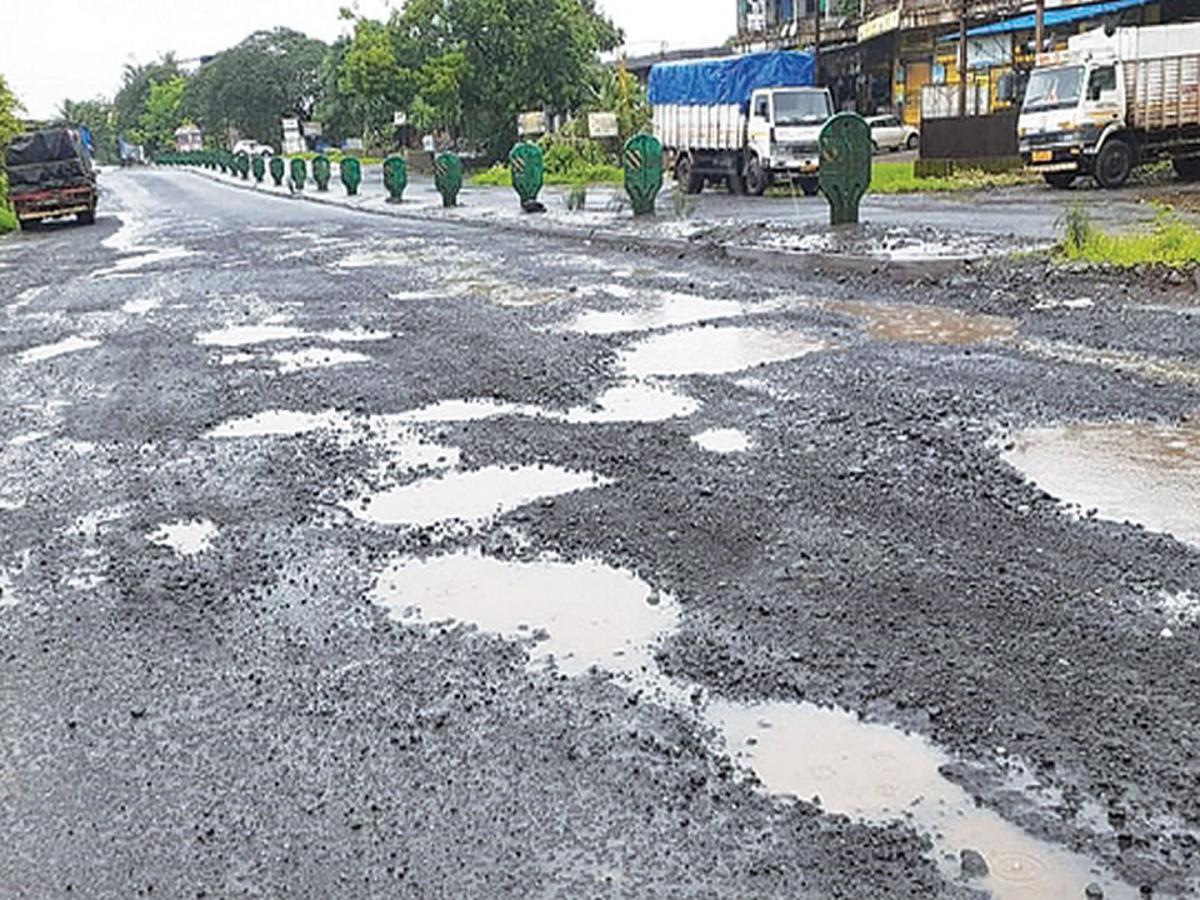
Thane, a critical logistical artery connecting Mumbai to the rest of India, is facing a severe infrastructure crisis. Extensive damage to its main highways has created a bottleneck that is now threatening to cripple the supply of essential goods to Mumbai ahead of the bustling festive season. As the city’s residents prepare for celebrations, the flow of fast-moving consumer goods, electronics, and other key products is being significantly hindered by crippling traffic congestion and movement restrictions. The situation underscores a critical failure in urban planning and maintenance, raising serious questions about the city’s readiness to support a sustainable and equitable economy.
This infrastructural breakdown is having a cascading effect on the entire supply chain. Transporters and logistics companies are reporting massive delays, with trucks stranded for hours on end due to impassable roads. The situation is particularly dire for goods originating from the massive warehousing hub in Bhiwandi, which relies on these very highways to reach Mumbai’s markets. This inefficiency is more than just a logistical headache; it translates into tangible costs. Every hour a truck is delayed means increased fuel consumption, higher operational expenses, and a bigger carbon footprint—a direct contradiction to the city’s eco-friendly goals. The current state of affairs is also putting an immense strain on drivers, often forcing them to work overtime, thus impacting the human element of this critical industry.
Industry experts believe that while retailers are currently managing with existing inventories, a prolonged period of disruption could lead to genuine shortages just as consumer demand peaks. The damage to these key transport corridors, left unaddressed for too long, is now highlighting a systemic issue of neglect. The situation is further compounded by recent restrictions on heavy vehicle movement, a knee-jerk reaction by authorities that has worsened the gridlock rather than solved it. This reactive approach, rather than proactive, long-term planning, is a hallmark of an unsustainable urban model.
Political and civic leaders are now coming under heavy criticism for their failure to prepare for the monsoon’s impact on these vital roads. Critics argue that despite repeated promises of high-tech road repair solutions, the ground reality reflects a shocking lack of foresight and investment in resilient infrastructure. The current administration and city officials have finally acknowledged the crisis, with a senior government official reportedly issuing instructions for immediate repair work. Civic bodies have been directed to identify and mend the most damaged sections and keep materials and machinery on standby. While this is a step in the right direction, it comes late in the day, with the economic and environmental damage already underway.
The current chaos in Thane’s transport network is a stark reminder of the interconnectedness of infrastructure, economy, and society. The potholes on these highways aren’t just an inconvenience; they are a symbol of a larger failure to build a robust, sustainable, and equitable city. The delays in supply chains disproportionately affect smaller businesses and retailers, leading to financial losses and potential job insecurity. Moving forward, the focus must shift from temporary fixes to a comprehensive plan for durable, all-weather roads that can support the city’s growth while minimising environmental impact and ensuring the smooth flow of goods for all its residents.
Also Read :Chennai Corporation Restores 480 Km Roads Dug Up For Utilities
