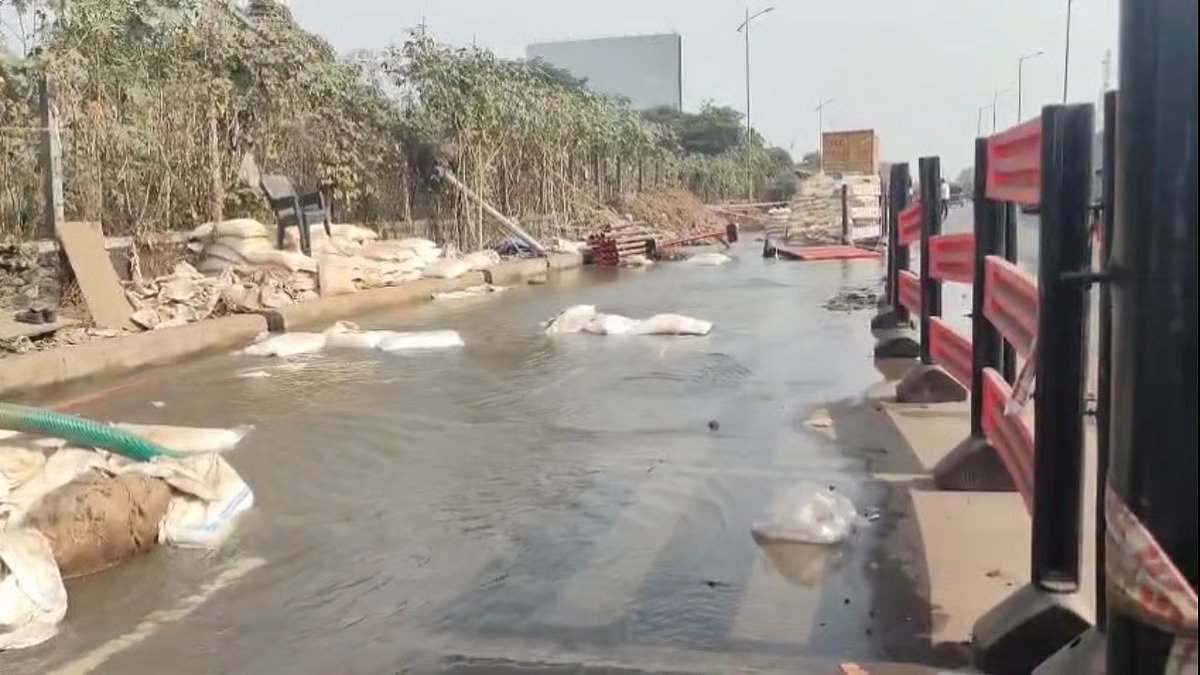
A major water supply disruption is set to impact large parts of Thane following a critical pipeline failure, prompting authorities to suspend supply for nearly 24 hours to carry out urgent repairs. The outage is expected to affect a wide cross-section of residential, commercial, and industrial neighbourhoods, highlighting the vulnerability of ageing urban water networks in rapidly expanding metropolitan regions.
Municipal officials have indicated that the shutdown is necessary to restore a damaged section of a key transmission line that feeds multiple zones across the city. The disruption will span both established residential clusters and emerging urban extensions, many of which have seen rapid real estate growth in recent years. This includes areas with high-density housing, informal settlements, and mixed-use developments that depend heavily on uninterrupted municipal supply. The water supply disruption is likely to have cascading effects on daily life, particularly in densely populated pockets where storage capacity is limited. Housing societies, small businesses, and service establishments are expected to face operational challenges, while construction activity and industrial units may also experience temporary slowdowns. Civic authorities have advised residents to plan ahead, noting that supply normalisation could take additional time after repairs are completed.
Urban planners point out that such incidents are becoming more frequent in cities like Thane, where infrastructure expansion has struggled to keep pace with population growth and land development. The city’s transformation into a key residential and commercial node within the Mumbai Metropolitan Region has placed increasing pressure on legacy systems originally designed for smaller populations. The situation also underscores the importance of proactive asset management in urban water systems. Experts suggest that regular audits, pipeline replacement programmes, and the integration of smart monitoring technologies could help detect faults early and reduce the scale of disruptions. In parallel, decentralised water storage and reuse systems are being viewed as critical buffers against supply shocks.
Compounding the disruption, traffic movement in parts of the city will also be affected as repair work requires temporary road closures near key junctions. This reflects the interconnected nature of urban infrastructure, where failures in one system can quickly spill over into mobility and economic activity. From a sustainability lens, the incident raises broader concerns about water resilience in high-growth urban corridors. Climate variability, coupled with ageing infrastructure, is expected to increase the frequency of such breakdowns unless cities invest in modernisation and demand management strategies.
As Thane works to restore supply, the focus will shift to how quickly and efficiently services can be stabilised. For residents and planners alike, the episode reinforces the need for long-term investments in resilient, efficient, and inclusive water infrastructure capable of supporting the city’s continued growth.
Thane Water Supply Disruption After Major Pipeline Failure