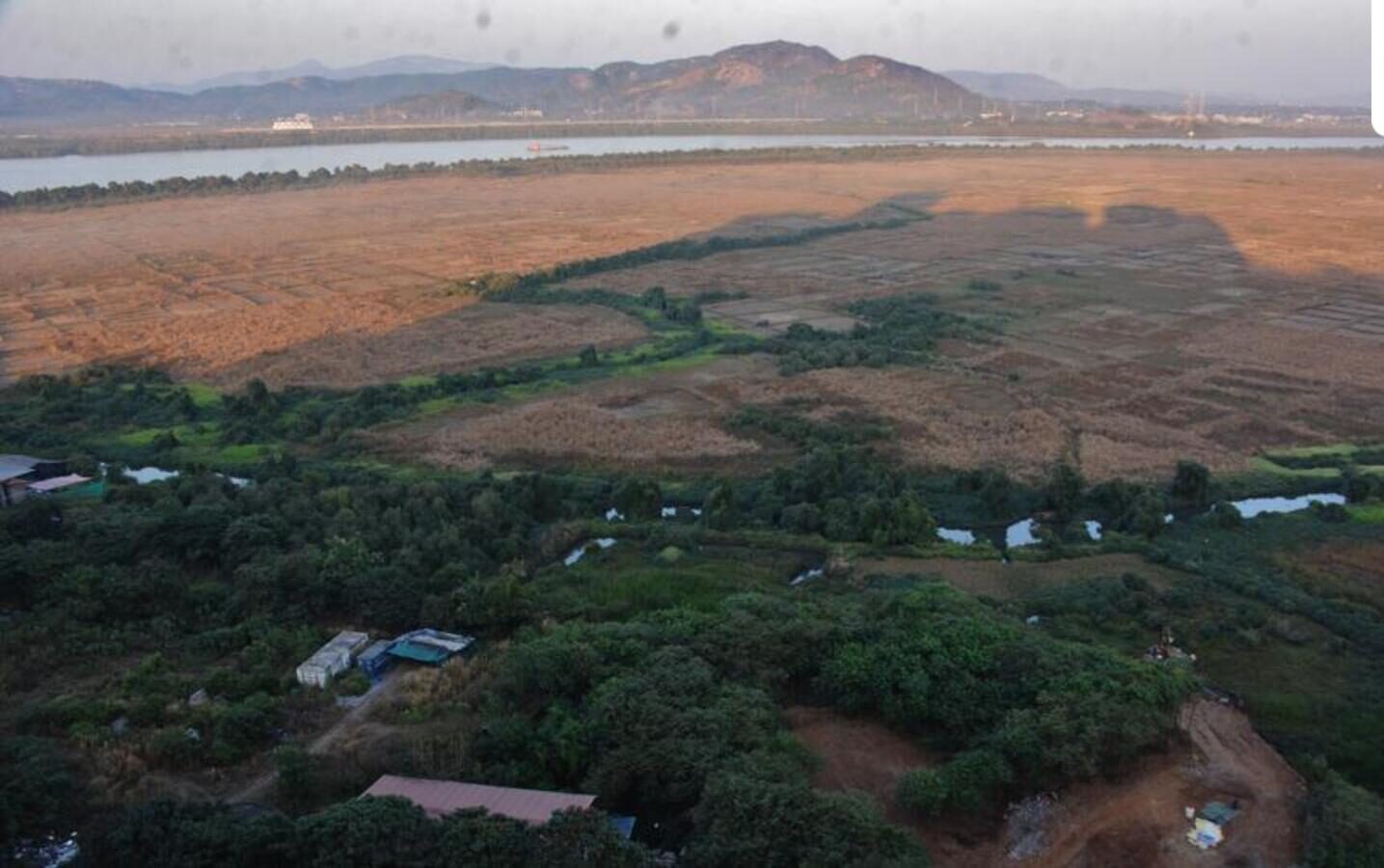
The Maharashtra government has initiated a significant shift in how metro infrastructure land is utilised, beginning with plans to commercially develop the Mogharpada metro depot site in Thane. The location, spread across 45 hectares, is the first in a broader strategy to monetise nearly 100 hectares reserved for metro depots across the Mumbai Metropolitan Region (MMR). The move is aimed at creating non-fare revenue for the metro network while unlocking new urban development opportunities in a land-constrained region.
Senior officials confirmed that the state has instructed the Mumbai Metropolitan Region Development Authority (MMRDA) to adopt a mixed-use development model for all depot sites. This approach—commonly blending commercial, retail, and office space—has long been applied above metro stations in major global cities but is relatively new to car shed locations in India. If the pilot succeeds, the government expects several depots across the region to follow a similar pattern. The Mogharpada depot is designed to support four corridors: the Wadala–Kasarvadavali line and its extensions, along with future links planned for Thane. The planned facility includes stabling lines for up to 64 trains, maintenance blocks, administrative zones, and a possible alignment for the proposed Thane Coastal Road that may pass through the site. According to an MMRDA official, the initial feasibility assessment suggests there is sufficient space within the depot layout to accommodate built-up structures without compromising metro operations.
Urban planners view the initiative as a rare “greenfield” opportunity in Mumbai’s largely redevelopment-driven real estate landscape. Depot sites, often located on the city’s outskirts or growth corridors, offer a chance to introduce new commercial clusters that are directly integrated with high-capacity public transport. Industry experts believe that creating offices adjacent to the depot could reduce local road traffic by encouraging seamless, car-free travel from station to workplace—contributing to more equitable and low-carbon urban mobility patterns. However, the idea of introducing residential units within depot land has been met with caution. Analysts argue that the noise, operational activity, and 24×7 nature of depot operations may make residential development unsuitable. Commercial and institutional uses, they say, are better aligned with the location’s urban context.
The monetisation proposal also comes at a time when civic groups in Mumbai have raised concerns about large-scale conversion of public land for private developments. They emphasise that public lands should prioritise essential services, open spaces, and affordable housing. Government officials maintain that the mixed-use model can be designed to balance public interest with financial sustainability for the metro system, especially as non-fare revenue becomes crucial for long-term viability. For now, the Mogharpada project will act as the template. Detailed decisions regarding floor space index, design layouts, integration with local amenities and road networks, and the interface with the proposed sports complex nearby will be finalised once feasibility assessments conclude. If successful, the model could influence how metro infrastructure is planned in emerging Indian cities seeking to maximise land value without compromising transit functions.
Thane To Monetise Metro Depots Beginning With Mogharpada In Major Push