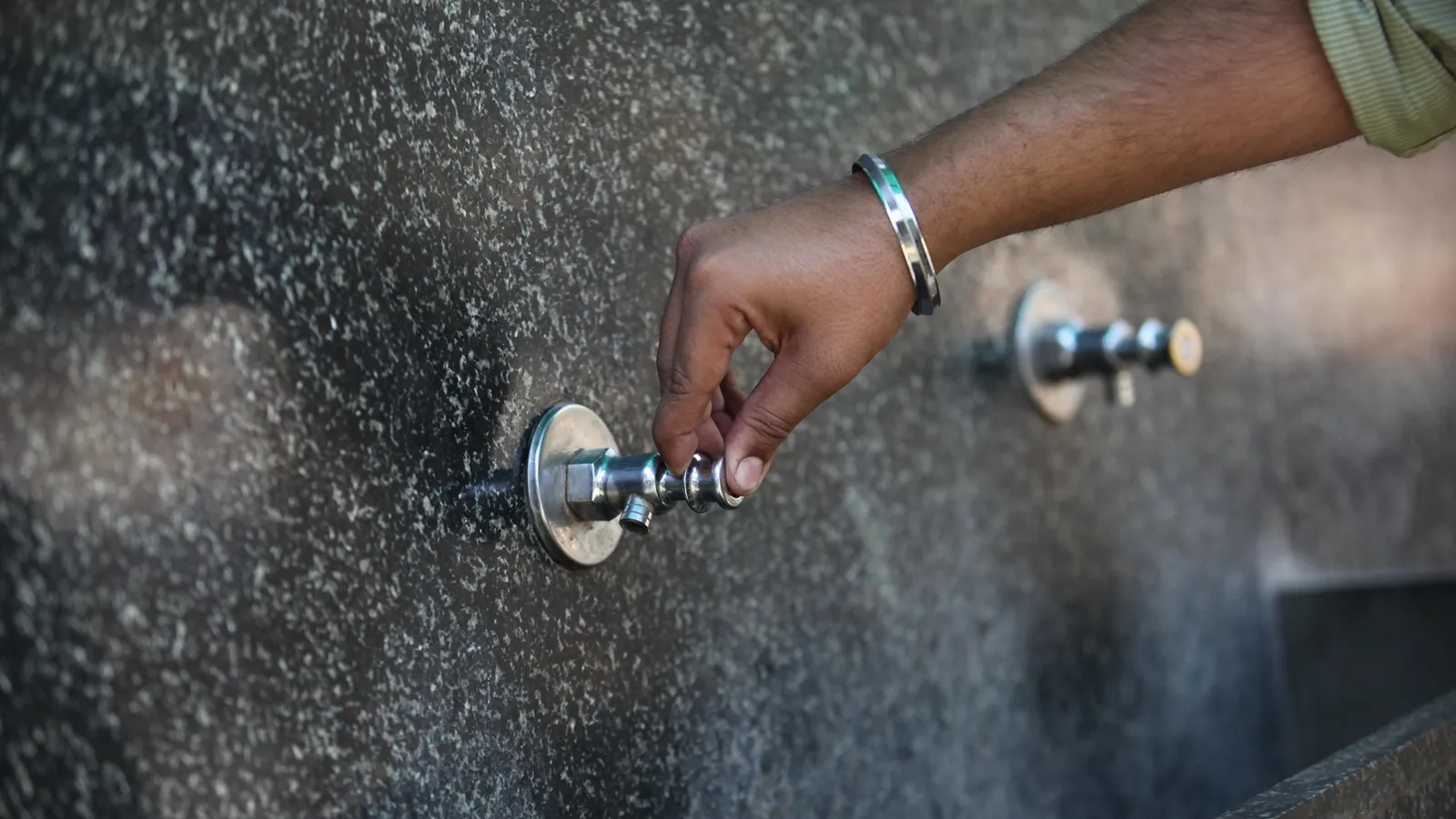
A widening gap between water demand and supply in Thane has triggered a growing Thane water supply crisis, with housing societies across multiple neighbourhoods increasingly dependent on private tankers despite official assurances of adequate reserves.
Residents in areas such as Ghodbunder Road, Kalwa, and Mumbra report a sharp decline in municipal water availability over recent weeks, forcing residential complexes to procure water externally at significant cost. In several mid- to large-sized housing societies, daily tanker expenses are escalating rapidly, raising concerns over affordability and long-term sustainability of urban water access. The Thane water supply crisis appears to stem from a combination of infrastructure stress, distribution inefficiencies, and rising demand driven by rapid urbanisation. Civic data indicates that while the municipal system supplies a substantial volume of water daily, it still falls short of the city’s overall requirement, resulting in uneven distribution and pressure-related disruptions in certain pockets.
Urban planners point out that low-pressure supply often translates into de facto shortages at the consumer end, particularly in high-density residential developments where overhead storage systems depend on consistent flow. This mismatch between official supply figures and on-ground availability has led to frustration among residents, many of whom report irregular supply windows and inadequate storage filling. Concerns have also emerged around leakages and unauthorised tapping along key transmission pipelines. Local assessments suggest that a portion of treated water may be diverted before reaching end-users, exacerbating shortages in residential zones while placing additional strain on municipal finances. Experts note that addressing non-revenue water losses is critical for improving efficiency without increasing extraction.
The growing reliance on tanker water raises environmental and governance challenges. Tanker supply chains are often energy-intensive and less regulated, contributing to higher carbon footprints and potential groundwater depletion in sourcing areas. For cities aiming to build climate resilience, such stop-gap solutions highlight systemic vulnerabilities in core infrastructure. At the policy level, the situation reflects the need for augmenting long-term water sources and strengthening distribution networks. Proposals to secure additional water allocations from regional reservoirs remain under consideration, but delays in approvals continue to limit immediate relief. Meanwhile, demand is expected to rise further as Thane’s population and built environment expand.
The Thane water supply crisis also underscores the importance of integrated urban water management, including leak detection, metering, reuse systems, and decentralised storage solutions. Without such measures, cities risk recurring seasonal stress that disproportionately affects residential communities. As summer intensifies, the focus will likely shift to how quickly authorities can stabilise supply and restore public confidence. For residents, the immediate concern remains access to a basic civic service, while for planners, the episode serves as a reminder that infrastructure expansion must keep pace with urban growth to ensure equitable and reliable water distribution.
Thane Residents Report Water Shortfall Despite Civic Claims