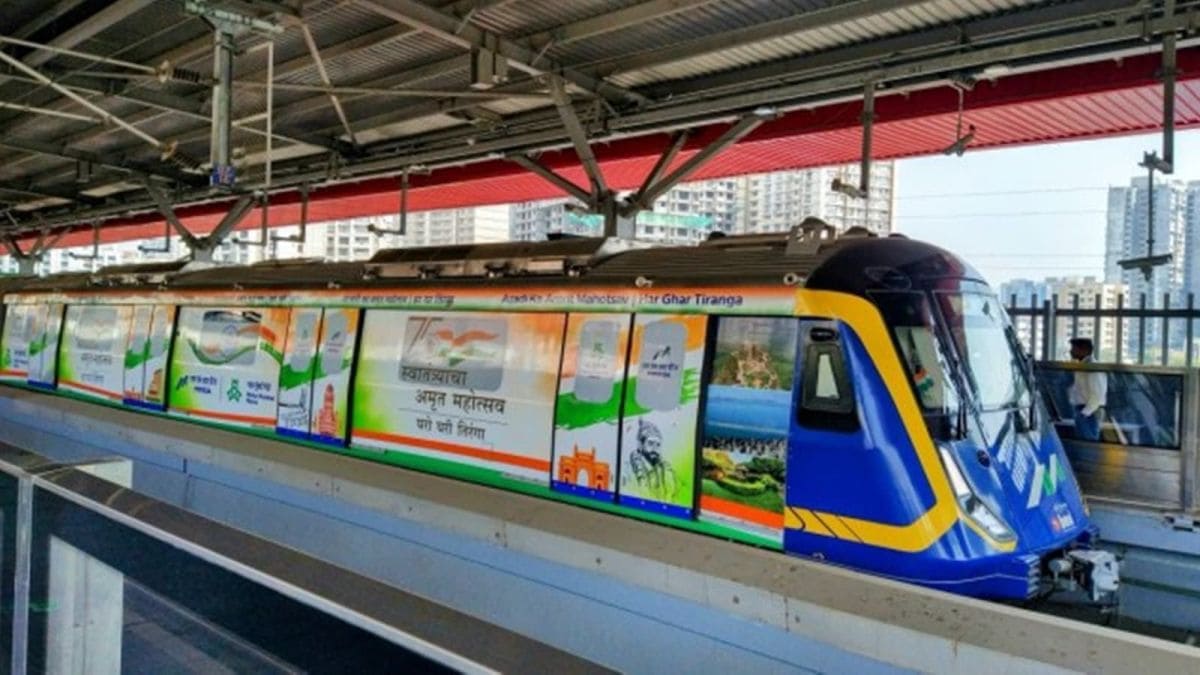
Thane Region Boosts Metro and Roads To Ease Rail Congestion
The Thane district’s Kalyan-Badlapur belt is poised for a significant transport infrastructure transformation as the Maharashtra government accelerates funding for both metro expansion and major roadworks to tackle chronic congestion on the region’s heavily burdened suburban rail network. In a rapidly urbanising corridor where commuter loads far outstrip capacity, authorities are pressing ahead with multimodal solutions that extend beyond traditional rail enhancements to include elevated road links and metro lines designed to disperse demand and improve connectivity.
Urban growth in the Kalyan-Dombivli and Badlapur suburbs has surged over the past decade, fuelled by comparatively affordable housing and strong residential demand from working populations commuting into the Mumbai metropolitan area. But this demographic expansion has placed extraordinary stress on the Central Railway’s suburban services—among India’s busiest corridors—leading to severe overcrowding during peak travel hours and raising safety and service reliability concerns.To span this infrastructure gap, the state and metropolitan authorities are directing nearly ₹4,900 crore towards a suite of metro and road initiatives. Of this, significant allocations are earmarked for metro corridors such as Metro Line 5 (linking Thane, Bhiwandi and Kalyan), extensions of Line 12 towards Taloja, and the proposed Metro Line 14 between Kanjurmarg and Badlapur. These lines are expected to offer high-capacity alternatives to commuter rail over shorter distances, diverting a share of passenger loads off the already strained suburban system.
Alongside rail alternatives, road investments form a strategic pillar of the plan. Upgraded junctions, elevated links and ring road components aim to improve east-west traffic flows and support feeder access into metro stations, recognising that last-mile connectivity is critical to shaping commuter choices away from rail. Projects such as flyovers at major intersections and expansion of arterials promise to ease traffic on local surface roads, which currently double as bottlenecks for both private and public transport.Transport and urban planning specialists note that diversifying mobility infrastructure is essential in fast-growing urban corridors, where traditional rail and bus systems alone struggle to absorb population growth. By weaving metro and road networks into a cohesive mobility framework, planners hope to offer commuters reliable alternatives during peak peaks, while also relieving pressure on the suburban rail backbone that has long defined daily travel in the region.
However, successful implementation hinges on synchronised planning across agencies, careful land-use coordination and integration with broader regional transport strategies. For instance, ensuring that new metro stations are supported by efficient last-mile connectivity—through feeder buses, pedestrian paths and cycling infrastructure—will be critical to realising a modal shift. Policy analysts emphasise that without seamless intermodal integration, commuters may default to private vehicles, perpetuating congestion and undermining sustainability goals.Residents and local business communities have welcomed the announcements, citing relief from daily travel stress and associated economic gains from more efficient movement of people and goods. Yet, stakeholders also caution that construction phasing and operational readiness must be communicated clearly to maintain public confidence, especially given past infrastructure rollouts in the region have encountered delays and coordination challenges.
As Thane’s urban footprint continues to expand, the unfolding transport overhaul underscores a broader shift in how satellite cities are approaching mobility — moving from single-mode rail dependence towards integrated, resilient networks that can support equitable access and sustainable urban growth across the Mumbai metropolitan area.