


Public trust and a potential public health hazard have come to light in Maharashtra’s Thane district, where police have apprehended two individuals for allegedly repackaging and attempting to reintroduce nearly 200 tonnes of expired food and household products into local markets. This illicit enterprise, operating under the guise of a recycling and waste management firm, underscores critical vulnerabilities in the supply chain and waste disposal mechanisms, posing a direct threat to consumer safety and undermining efforts towards a truly sustainable urban ecosystem.
The arrests of Mohammad Irfan Mohammad Munir Chowdhary (41) and Mohammad Akram Mohammad Ismail Shaikh (58), partners in a Bhiwandi-based recycling and waste management firm, followed meticulously planned raids conducted by Thane city police on July 9 and 10. Officers discovered vast quantities of goods, originally designated for safe disposal by a major e-commerce company, meticulously stored across two godowns in the Dahisar area of Shil-Daighar. Instead of destruction, these expired commodities were being prepared for a deceptive re-entry into the consumer market.
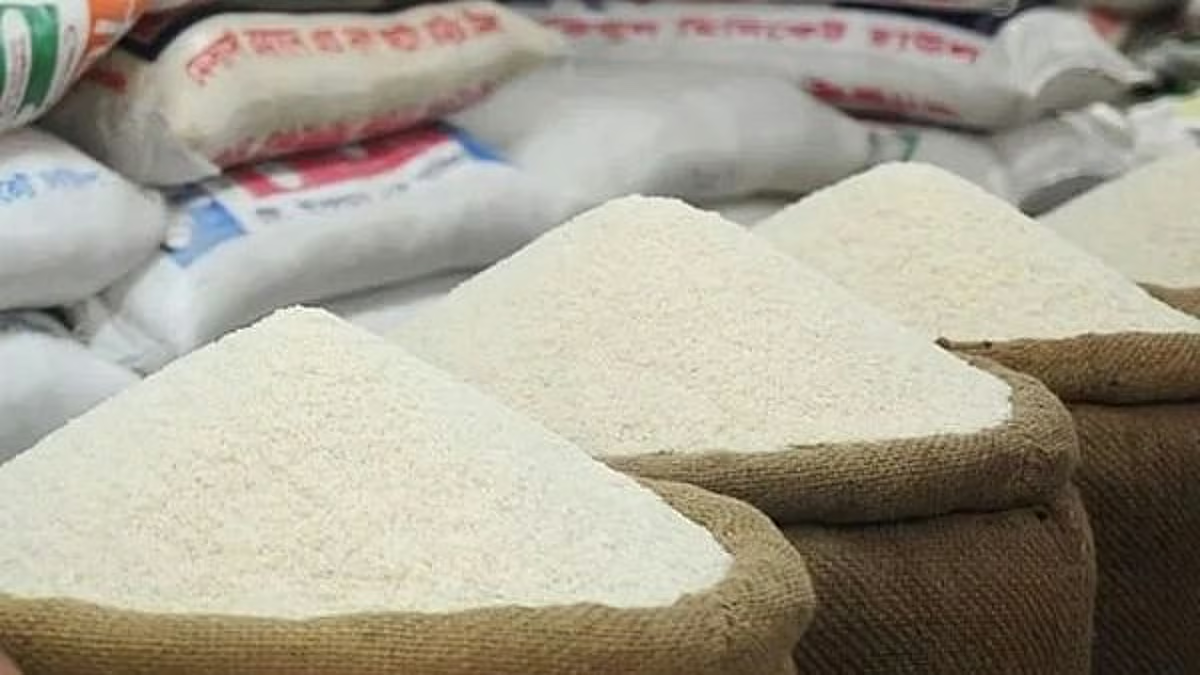
The modus operandi involved the systematic removal of original labels from the expired items, which ranged from essential food staples like grains, cereals, flour, sugar, rice, and dry fruits, to critical household products such as toilet cleaners, sanitary pads, soaps, and washing powders. These products were then illicitly repackaged into generic plastic and gunny bags, effectively erasing their expiry dates and original branding, thereby rendering them indistinguishable from fresh produce. This deliberate act of deception not only constitutes a grave economic offence but also places unsuspecting consumers at severe risk, particularly those with limited access to formal retail channels.
This incident casts a stark spotlight on the imperative for enhanced regulatory oversight within the waste management sector, especially concerning the disposal of commercial discards. While the push for a circular economy encourages recycling and resource recovery, such fraudulent activities fundamentally betray the spirit of sustainability by converting waste into a public health liability rather than a valuable resource. It highlights the urgent need for robust, transparent, and digitally traceable waste disposal protocols to prevent similar breaches that compromise public health and erode consumer confidence in the integrity of goods available in the market.
As investigations continue under sections of the Bharatiya Nyaya Sanhita pertaining to cheating, forgery, and the use of forged documents, this case serves as a poignant reminder of the vigilance required from both authorities and consumers. Ensuring the safety and well-being of citizens in a rapidly urbanising landscape necessitates not only punitive action against offenders but also systemic reforms that guarantee the ethical and environmentally sound management of all commercial waste. This incident underscores that the journey towards eco-friendly, sustainable, and equitable cities must be underpinned by unwavering commitment to public safety and uncompromised supply chain integrity.
Also Read: Mumbai probe CIDCO dumping debris at Lotus Lake wetland
