


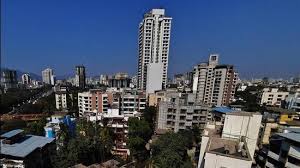
Thane’s municipal finances are under renewed scrutiny after the city administration reported a substantial gap between expected and actual property tax collections for the current financial year. While the municipal corporation has mobilised over Rs 550 crore so far, the figure falls significantly short of its projected target, raising concerns about the city’s capacity to fund essential services and planned infrastructure upgrades.
Property tax remains one of the most dependable revenue streams for urban local bodies, particularly in fast-growing metropolitan regions like Thane, where population density and real estate development place continuous pressure on civic infrastructure. The shortfall, running into several hundred crore rupees, highlights persistent challenges in tax compliance, property assessment, and enforcement issues that have become increasingly visible as cities expand faster than their administrative systems. Data from the municipal administration shows that a handful of high-density wards continue to anchor Thane’s tax base. Mixed-use zones with large residential clusters and commercial activity account for a disproportionate share of collections, underscoring how municipal revenues are closely tied to real estate concentration rather than evenly distributed urban growth. Urban economists note that this imbalance exposes cities to fiscal risk when compliance weakens even marginally in key localities. Officials overseeing revenue collection have indicated that enforcement measures are being intensified to recover pending dues before the financial year closes. These steps include restrictions on civic services for chronic defaulters and regulatory action against commercial premises with prolonged arrears. While such measures are legally supported, governance experts caution that enforcement must be calibrated to avoid penalising vulnerable households while ensuring accountability among high-value property owners.
Alongside enforcement, the civic body is adopting decentralised outreach strategies to improve voluntary compliance. Property tax payment drives are being taken directly into housing societies and large residential complexes, reducing procedural friction for residents. Administrators believe that simplifying access and improving clarity around assessments can unlock significant latent revenue without resorting solely to punitive action. The implications extend beyond balance sheets. Property tax directly funds everyday urban services water supply, waste management, road maintenance, public lighting, and neighbourhood open spaces. Any sustained revenue gap can delay upgrades, weaken maintenance cycles, and strain the city’s ability to invest in climate-resilient infrastructure, including drainage systems and flood mitigation works increasingly critical in the Mumbai Metropolitan Region. Thane’s experience mirrors a broader national pattern. Urban local bodies across India are grappling with outdated property records, fragmented data systems, and rising resistance to tax payments amid higher living costs. Without systemic reforms in valuation methods, digitisation, and citizen engagement, experts warn that revenue stress could undermine the financial autonomy of cities.
As Thane pushes to narrow its collection gap, the outcome will be closely watched by other municipalities navigating similar pressures. The episode reinforces a central reality of urban governance: sustainable, people-first cities depend not only on ambitious development plans, but also on reliable, equitable systems of local taxation that citizens trust and participate in.
Also Read: Hyderabad Infrastructure Pipeline Targets Balanced Expansion
Thane Property Tax Miss Raises Infrastructure Concerns
