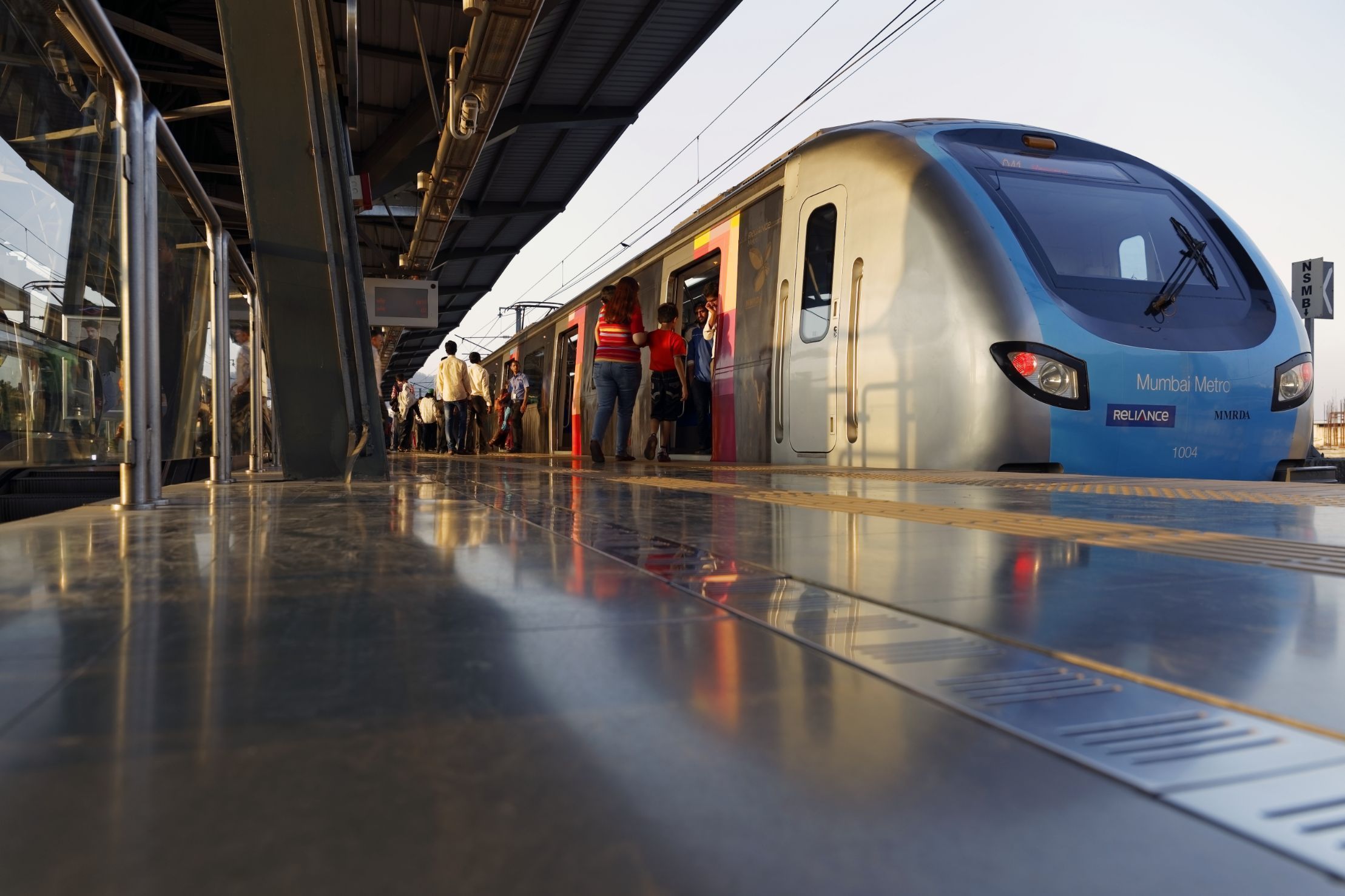
Thane Metro Prioritizes Passenger Safety With Dedicated Zones
Thane’s burgeoning metro network is poised for a significant upgrade in passenger safety and urban mobility, following a directive from senior transport officials. During a recent inspection of the ongoing metro work, officials mandated the creation of ‘dedicated passenger zones’ directly beneath eight metro stations spanning the crucial Kapurbawdi to Ghodbunder Road stretch. This proactive measure addresses existing design challenges where metro staircases currently descend into active road sections, posing potential risks to commuters. The initiative underscores a robust commitment to fostering a safer, more efficient, and equitable urban transit environment, aligning seamlessly with the vision for sustainable city development and improved public infrastructure that prioritises the well-being of all citizens.
The decision to implement these dedicated passenger stops is a direct response to concerns regarding the interface between metro exits and ground-level public transport. By reserving specific sections of the service road exclusively for public transport vehicles, such as feeder buses, auto-rickshaws, and taxis, the plan aims to create a clear and safe transition zone for commuters. This segregation of public and private vehicles is expected to significantly reduce the possibility of accidents, alleviate traffic bottlenecks around metro stations, and streamline the flow of public transport. This strategic traffic management solution is not merely about safety; it is about optimising the entire multi-modal transport system, encouraging greater public transport ridership, and thereby contributing to a reduction in overall vehicular emissions and urban congestion.
Further enhancing the city’s infrastructure, the directive also includes the comprehensive concretisation of Ghodbunder Road. This crucial upgrade is designed to improve road durability, ensuring it can withstand heavy traffic loads and adverse weather conditions, which in turn will significantly reduce long-term maintenance costs. Concrete roads are known for their resilience and longevity, making this investment a sustainable choice that complements the metro development. A robust and well-maintained road network is essential for supporting the metro ecosystem, ensuring efficient last-mile connectivity and overall operational fluidity. This integrated approach to infrastructure development demonstrates a holistic vision for Thane’s urban landscape.
These integrated transport solutions are vital for Thane’s continued urban development. By prioritising passenger safety through dedicated zones, streamlining traffic flow, and investing in durable road infrastructure, the city is making tangible strides towards becoming a more accessible, gender-neutral, and eco-friendly urban centre. The focus on creating dedicated public transport zones and ensuring high-quality road surfaces underscores a deep commitment to equitable urban mobility, guaranteeing that all citizens can navigate the city safely and efficiently. Ultimately, these enhancements are set to improve the overall quality of urban life, making Thane a model for sustainable and human-centric city planning in the region.