


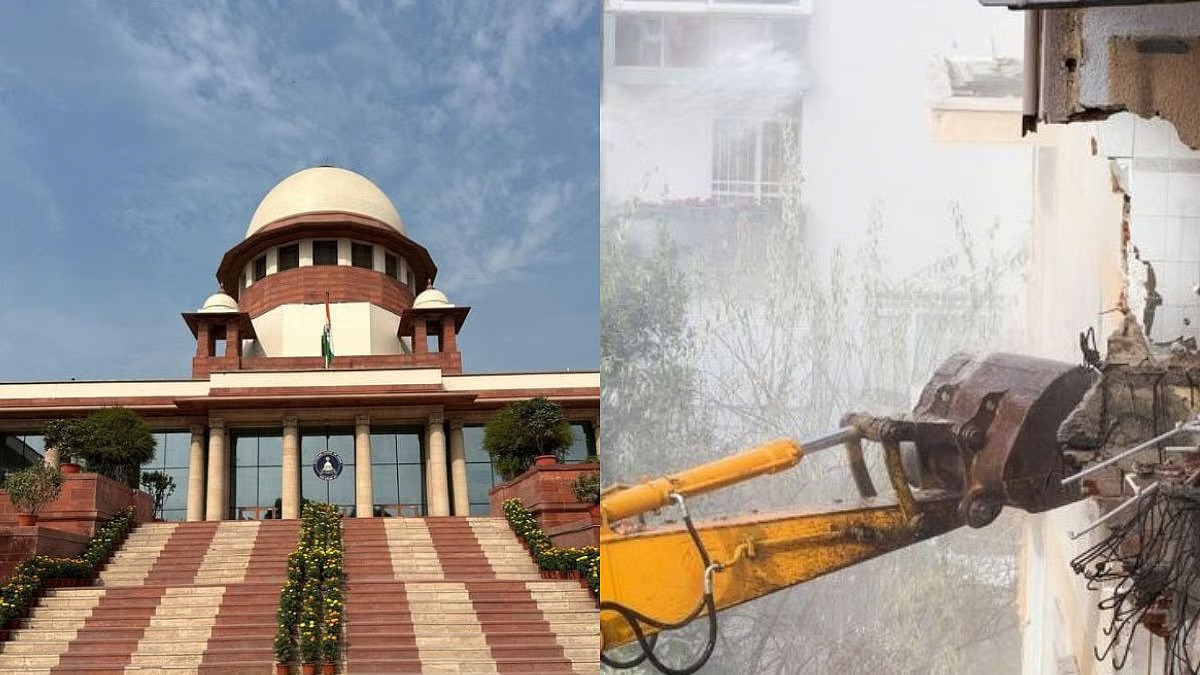
Thane, a burgeoning urban centre, is witnessing a significant pivot in its approach to urban development, as authorities move to strictly enforce legal compliance for utility connections. Following a directive from the Bombay High Court, the municipal administration has instructed power and water supply companies to cease services to unauthorised constructions. This decisive action underscores a broader commitment to sustainable urban planning, equitable resource distribution, and mitigating environmental strain in a city grappling with both rapid expansion and persistent water scarcity, impacting thousands of residents.
The Bombay High Court’s mandate stems from a critical assessment of the rampant proliferation of illegal structures, which often receive essential services despite lacking proper documentation. This practice has been deemed a public nuisance, exacerbating the city’s water crisis and placing undue pressure on existing infrastructure. The court explicitly stipulated that electricity providers must conduct thorough document verification before authorising connections, rejecting mere guarantees or affidavits as sufficient proof of legality. This ruling is a crucial step towards ensuring that urban growth is both regulated and responsible.
For years, Thane has contended with a surge in unauthorised constructions, frequently marketed to unsuspecting citizens under the guise of legitimacy. These properties, despite their precarious legal standing, have often been connected to municipal water and electricity grids. Consequently, when demolition drives occur, as seen with 21 structures recently razed in Mumbra-Shil, residents are left in a vulnerable position, highlighting a systemic failure in oversight and enforcement that has long plagued urban development. In response to the judicial directive, the municipal commissioner has called for enhanced collaboration with the Urban Development Department. The objective is to establish robust procedures for verifying electricity connection requests, ensuring strict adherence to the court’s directives.
The focus is on creating solutions that guarantee legitimate constructions receive power without impacting authorised consumers, thereby preventing illegal constructions from accessing vital utility services. This coordinated effort aims to instil a culture of legal compliance and accountability within the city’s urban fabric.
This intensified focus on legal compliance for utilities is not merely an administrative measure; it is a fundamental pillar of creating a more sustainable and equitable urban environment.
By curtailing resource allocation to illegal dwellings, the city can better manage its strained water resources, reduce the carbon footprint associated with unplanned growth, and ensure that essential services are directed towards legitimate, tax-paying residents. The move signals a clear intent to foster a city where development is structured, resources are managed judiciously, and the quality of life for all citizens is prioritised through adherence to the rule of law.
Also Read :Yogi Adityanath reviews road projects across Gorakhpur‑Basti divisions urges proposals
