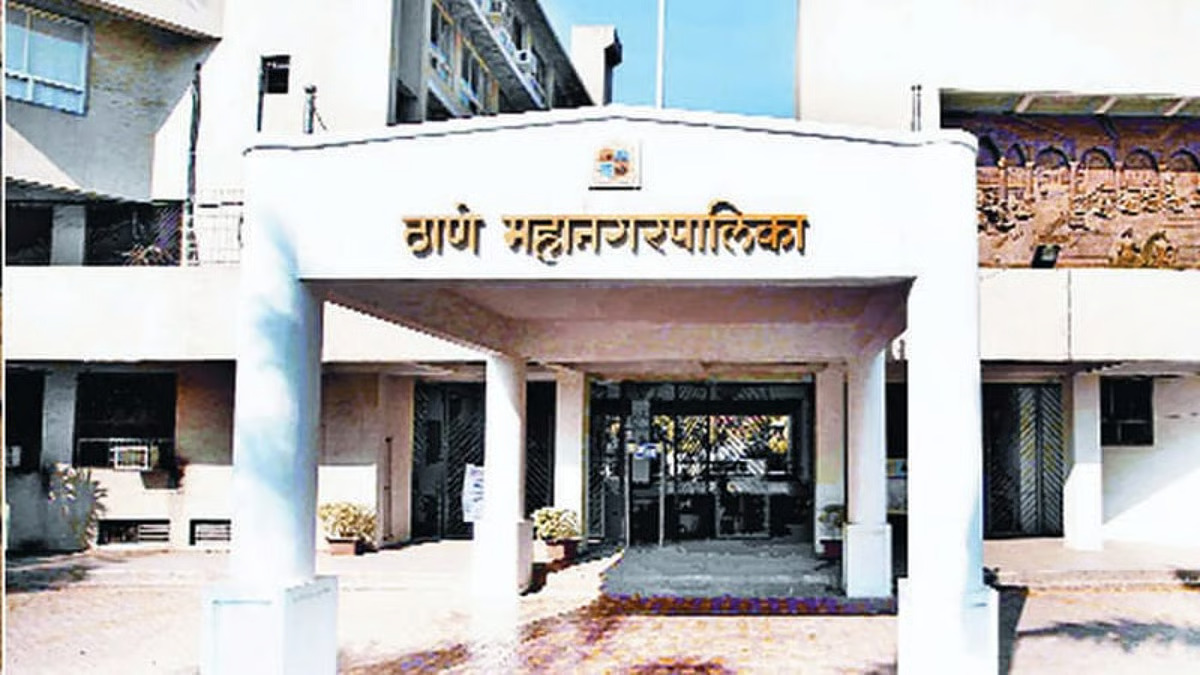
Thane is moving towards technology-led urban management with plans to introduce automated systems for maintaining its drainage network, a step aimed at reducing flooding risks and improving sanitation outcomes in a rapidly expanding city. The initiative signals a shift from reactive monsoon preparedness to continuous, data-driven infrastructure maintenance.
The municipal administration has identified multiple pilot locations where robotic systems will be deployed to intercept and remove waste from drains in real time. These systems are designed to capture floating debris, particularly plastic, before it accumulates and obstructs water flow—one of the primary causes of waterlogging during heavy rainfall. The city’s drainage network, extending over hundreds of kilometres, has historically relied on periodic desilting exercises. While effective in the short term, such approaches often fail to address the steady inflow of solid waste, leading to recurring blockages. By introducing automation, authorities are attempting to ensure year-round upkeep rather than seasonal intervention.
Urban infrastructure experts note that integrating robotics into drainage systems could significantly improve efficiency while reducing the need for manual cleaning in hazardous conditions. This also aligns with broader efforts to improve worker safety, as traditional drain cleaning often exposes personnel to unsafe environments. The robotic drain cleaning initiative is being complemented by parallel investments in waste processing infrastructure. A large-scale facility under development on the city’s periphery is expected to enhance waste handling capacity, allowing for better segregation and treatment of municipal solid waste. Such facilities are increasingly seen as critical to preventing waste from entering stormwater systems in the first place.
In addition, decentralised processing units are being developed to manage organic waste streams and convert them into usable by-products such as compost. These measures aim to reduce landfill dependency while promoting circular resource use—an approach gaining traction in urban sustainability frameworks. Officials have also initiated performance assessments of mechanised street cleaning operations, particularly on high-traffic corridors. The objective is to evaluate whether current investments in equipment and fuel are translating into measurable improvements in cleanliness and efficiency.
Taken together, these interventions reflect a broader rethinking of urban services delivery. Rather than addressing flooding and sanitation as isolated issues, the administration appears to be linking drainage management with solid waste systems, operational accountability, and technology adoption. For a city like Thane, where rapid urbanisation has increased pressure on existing infrastructure, such integrated planning is becoming essential. Flood resilience, in particular, depends not only on drainage capacity but also on preventing waste ingress and ensuring uninterrupted flow during peak rainfall events.
As the pilot phase unfolds, its outcomes are likely to influence whether similar systems are scaled across the network. The success of the robotic drain cleaning model could offer a template for other Indian cities grappling with monsoon-related disruptions, while reinforcing the case for continuous, tech-enabled urban maintenance.
Thane Deploys Robotic System For Drain Cleaning Network