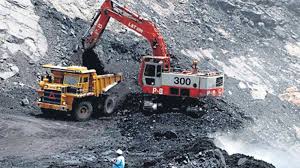
In Hyderabad, the Telangana government has moved to contain a politically charged controversy over the tendering process for the Naini coal block, rejecting claims of procedural irregularities while signalling readiness for formal scrutiny. The dispute underlines broader challenges in managing public resource allocations in the coal sector — a vital input for power generation, industrial activity and local economies across India’s energy supply chain.
At the centre of the debate is the Singareni Collieries Company Limited (SCCL), a state-controlled mining enterprise. Earlier tender notices to appoint Mine Developer and Operator (MDO) contractors for the Naini mine — intended to boost production from preparatory excavation to full-scale coal output — drew objections over a clause requiring mandatory pre-bid site visit certification. Critics, including former ministers and opposition leaders, say this condition constrained competition and favoured select bidders. Telangana’s Deputy Chief Minister, who also oversees the energy portfolio, firmly denied any impropriety in the SCCL tender conditions. He highlighted that mandatory site visit norms are not unique to the current administration, but have been part of broader industry practice followed by central public sector units such as Coal India Limited and the National Mineral Development Corporation. He characterised recent media reports as misleading and asserted that cancellation of the tenders — before bids were finalised — was a precautionary step to uphold institutional credibility amid public concern.
The deputy minister further offered to greenlight a comprehensive examination of all SCCL tenders and contracts since the state’s formation in 2014, contingent on procedural triggers once the state’s chief minister returns from overseas. This conditional openness to an inquiry reflects an effort to balance administrative accountability with political risk management. Opposition figures have not relented, however. A senior leader from the regional Bharat Rashtra Samithi (BRS) characterised the tender cancellation as implicit evidence of malfeasance and called for an impartial probe by a central agency or judiciary. He questioned why similar tender conditions in other SCCL projects were not quashed, raising broader anxieties about transparency in public procurement and perceptions of selective enforcement.
Across party lines, there are growing calls for clarity. Another political faction has proposed an investigation by the Central Bureau of Investigation (CBI) into the Naini coal block deal and related contractual practices, underscoring the high stakes attached to a PSU once viewed as a regional employment and economic anchor. Analysts say the controversy encapsulates structural tensions in India’s energy and resource sectors, where public trust, competitive bidding norms and political economy intersect. Coal remains a cornerstone of baseload power generation even as the country pivots towards decarbonisation; ensuring robust, transparent tendering protocols in mineral assets is crucial not just for governance but for investor confidence. Environmental and industrial planners also point out that clarity around coal allocations has indirect implications for electricity markets, industrial growth, and urban expansion in energy-linked regions.
As the issue evolves, monitoring external reviews — whether by central agencies, technical committees, or judicial bodies — will be key to both governance outcomes and public perceptions. The unfolding trajectory of this dispute may set precedents for how resource-linked public enterprises are administered in a climate where accountability expectations are increasingly foregrounded in Indian civic discourse.