


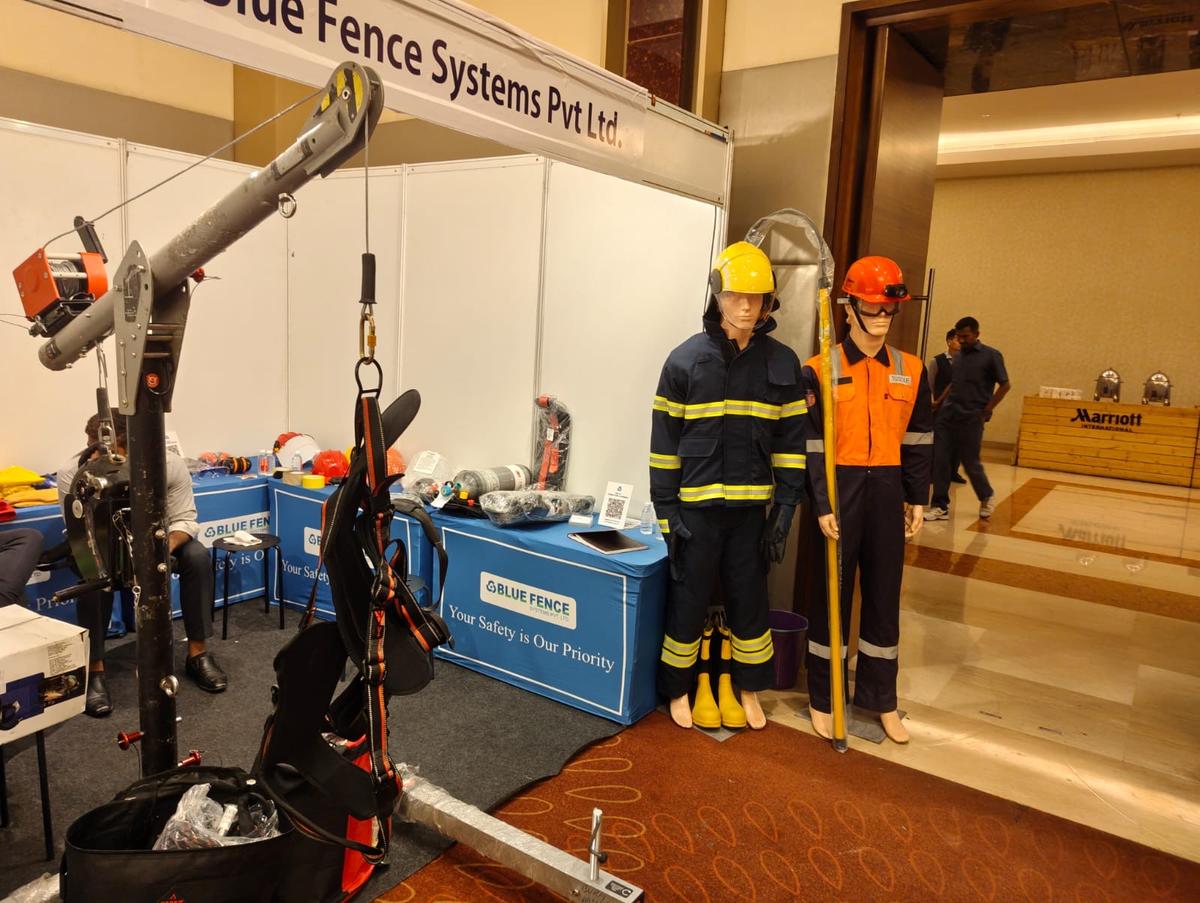
Telangana has initiated a statewide Telangana industrial fire safety inspections programme, mandating joint teams at the state and district levels to audit factories across major, medium and small-scale sectors. The move follows a recent fatal industrial fire and signals a tighter regulatory approach to workplace safety in one of India’s fastest-growing manufacturing regions.
At a high-level review meeting in Hyderabad, senior state officials directed departments to draft a comprehensive fire prevention and emergency response manual for industries. The document is expected to outline standard operating procedures, compliance benchmarks and accountability mechanisms aimed at reducing the risk of repeat incidents.The immediate trigger for the expanded Telangana industrial fire safety inspections was a fire accident at a pharmaceutical manufacturing unit that resulted in worker casualties and raised concerns about on-site preparedness. Officials also reviewed compensation disbursement to affected families and examined the status of related legal proceedings, underscoring both humanitarian and compliance dimensions of the response.
Under the new framework, district-level inspection teams will comprise representatives from revenue, police, labour, fire services, medical and health departments, industry regulators and the Pollution Control Board. The intention is to replace fragmented oversight with coordinated audits that evaluate not only fire suppression systems but also building layouts, hazardous material storage, worker training and evacuation protocols.Urban industrial planners note that Telangana’s rapid expansion of pharmaceutical parks, logistics hubs and small manufacturing clusters has outpaced periodic safety audits in some areas. Many facilities operate in peri-urban zones where land use transitions from agriculture to industry are still stabilising. This often results in infrastructure gaps such as narrow access roads, limited hydrant networks and delayed emergency response times.
To strengthen transparency, authorities have proposed a digital dashboard to upload inspection findings and compliance status. Experts argue that public-facing or inter-departmental dashboards can improve enforcement consistency and reduce discretionary lapses, especially in high-density industrial estates.The review also recommended mandatory third-party safety audits and structured worker training programmes. Occupational safety specialists emphasise that equipment alone cannot prevent disasters; drills, hazard identification training and regular maintenance cycles are critical components of resilient industrial ecosystems.
For investors and developers, stricter oversight may initially increase compliance costs. However, analysts suggest that predictable enforcement and safer workplaces ultimately enhance long-term economic stability by lowering operational disruptions and reputational risks.As Telangana positions itself as a pharmaceutical and advanced manufacturing hub, aligning industrial growth with robust safety governance will be central to sustainable expansion. The effectiveness of the inspection drive will depend on follow-through, periodic monitoring and institutional accountability beyond the immediate aftermath of high-profile incidents.
Also Read:Mumbai Restricts Heavy Vehicles On Dadar Tilak Bridge
Telangana Industrial Fire Safety Inspections Intensified
