


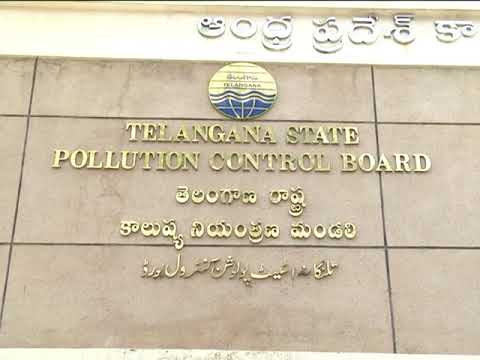
The Telangana Pollution Control Board (TGPCB) has intensified its enforcement drive, reviewing 49 industrial units across the state in November and ordering six to suspend operations for failing to meet environmental compliance standards. The action, concentrated in peri-urban and semi-rural belts where industrial clusters interface with growing residential zones, signals the state’s attempt to balance economic expansion with public health and ecological safeguards.
According to officials, the task force inspections evaluated pollution-control systems, waste-handling protocols, and adherence to consent conditions issued under state and national environmental laws. Units operating without valid permissions or those that had not corrected deficiencies highlighted in earlier notices were directed to halt operations until corrective action is completed. A senior official described the closures as “necessary interventions to prevent further environmental degradation and ensure industries operate responsibly within the regulatory framework”.
The industries facing closure include a mining operation, a plastics manufacturing unit, an automation firm, and an environmental-services facility—sectors often scrutinised for their waste streams or emissions. While the board did not disclose the specific nature of violations, experts note that mining and plastics processing remain among the most challenging sectors in terms of dust control, effluent management, and community impact. An environmental consultant said the state’s latest enforcement push “reflects a shift towards risk-based monitoring, which is essential as Telangana’s urban and industrial boundaries continue to blur”. The TGPCB has indicated that its enhanced oversight will continue through December, with priority given to high-risk industries and units located near water bodies, agricultural fields, and expanding residential catchments. This focus aligns with growing concerns among planners about how unchecked industrial activity can undermine regional water security, air quality, and the liveability of emerging urban centres.
For residents in these zones—many of whom rely on borewells, small-scale farming, or informal employment—poor industrial compliance can have long-term consequences. Experts argue that stronger enforcement is not only an environmental necessity but also an economic imperative. Polluted ecosystems impose hidden costs on healthcare systems, real estate values, and local productivity. “Cities aiming for long-term competitiveness must ensure clean, resilient, and inclusive growth,” said an urban economist, adding that predictable enforcement can also encourage industries to invest in cleaner technologies. The board’s actions serve as a reminder of the delicate balance required as Telangana continues to position itself as an industrial and urban growth hub. While closures may temporarily affect output and jobs, they may also encourage firms to adopt better systems that support a healthier built environment. As the state advances towards more sustainable city-region development, consistent monitoring and transparent compliance frameworks will be critical in safeguarding both communities and future investment.
Also Read : Lucknow Kanpur Expressway Work Back On Track – Urban Acres
Telangana Industrial Checks Aim For Cleaner Growth
