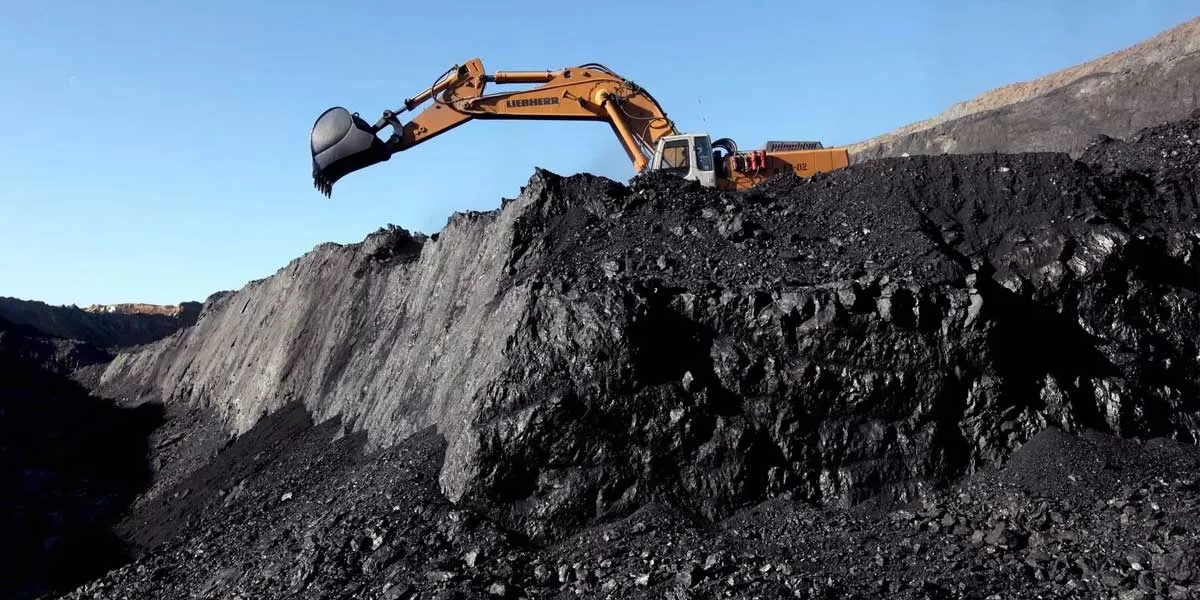
Dhanbad Coal Operations Hit By Nationwide Labour Strike
Telangana’s state administration has abruptly halted the mining tender process for the Naini coal block in Odisha after it became embroiled in political controversy, raising significant questions about governance, transparency and resource management by public sector undertakings. The cancellation by the Singareni Collieries Company Limited (SCCL) followed media allegations of undue ministerial influence, prompting a rare administrative reset in a sector widely seen as sensitive for both fiscal and environmental outcomes.
The Deputy Chief Minister, who also holds the Energy and Finance portfolios, insisted the original tender was framed solely by SCCL’s board and that there was no direct ministerial interference. Nonetheless, he instructed officials to annul the process and invite fresh bids adhering strictly to central guidelines for public sector enterprise procurements, underscoring a commitment to procedural probity amid public scepticism. Industry analysts say this development underscores growing political sensitivity around state-owned assets like SCCL, which is jointly owned by the Telangana government and the Centre. Traditionally known for supplying thermal coal to power and industrial sectors, the firm’s expansion into Odisha’s Naini site symbolised efforts to tap new revenue streams. But the sudden volte-face, triggered by allegations of opaque tender conditions including mandatory site visits, highlights risks for investor confidence and operational continuity in public sector mining.
The controversy escalated after media reports suggested that certain companies might have been favoured through procedural conditions, a claim rejected by the Deputy CM as “fabricated” and politically motivated. He emphasised that his entry into public service was driven by safeguarding state assets and equitable resource distribution rather than personal business interests. Opposition leaders have seized on the episode, calling for wider investigations into SCCL’s broader tendering mechanism. Critiques focus on recent procedural changes that were not part of past practice, such as requiring bidders to obtain site visit certificates — a clause alleged to have advantaged select firms. Calls for probes by independent agencies reflect deep unease about transparency and governance in managing publicly owned mineral assets.
For residents and stakeholders in energy markets, the scrapped tender has immediate economic implications. It delays potential coal supply expansion at a time when energy transition debates emphasise reducing dependency on fossil fuels while ensuring reliable power supplies. Urban planners also point out the environmental calculus: coal mining expansions must be balanced with climate commitments and mitigation of ecological impacts.
Going forward, the government’s approach to reissuing the tender and clarifying procedural rules will be closely watched by industry players and civil society alike. Ensuring robust, transparent frameworks that command public trust will be essential to harmonise resource development with sustainable and inclusive growth.