


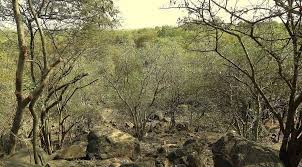
Telangana has initiated an afforestation campaign in Eturnagaram to reclaim green cover and wildlife lost during the devastating 2024 storm that uprooted nearly 70,000 trees. The project integrates bamboo plantations, grassland development, and planned wildlife reintroduction as part of a broader green recovery strategy.
The restoration programme, which falls under the ongoing Vanamahotsavam initiative, marks a critical response to the loss of over 330 hectares of forest between Tadvai and Mulugu, where a powerful cloudburst and gales wreaked havoc in September 2024. Shallow-rooted trees were particularly vulnerable, with cyclone-induced rainfall and wind speeds toppling dense foliage across the terrain. To counter the damage, the Telangana Forest Department is now developing grasslands across 50 to 60 acres in the first phase of the revival drive. Officials estimate the grasslands will reach optimal growth by the next monsoon, laying the foundation for ecosystem recovery. These grassy zones are essential for supporting herbivore populations, which in turn sustain large predators like tigers and leopards.
Complementing the grasslands, bamboo plantations are being established along an 8-km stretch of the Tadvai–Medaram road. Chosen for its fast growth rate and environmental benefits, bamboo also provides future revenue potential for the forest department while naturally binding the soil to prevent erosion. Its regenerative properties make it an ideal solution for degraded areas hit by extreme weather events. This afforestation effort is not just about reviving tree cover but also strategically reintroducing wildlife to rebuild a functional forest ecosystem. Once grasslands mature, Phase II of the project will see the introduction of herbivores including spotted deer and blackbucks. These species are expected to revitalise the prey base for native carnivores, while also stabilising the biodiversity of the region.
Spotted deer will be sourced from designated deer parks, while blackbucks — currently affecting farmland in Narayanpet, Nizamabad and Nirmal — will be relocated as part of this conservation strategy. Officials say this not only addresses conflict zones between humans and wildlife but also contributes to the ecological balance in Eturnagaram’s disturbed habitats. In the wake of last year’s storm, 10 assessment teams from the Meteorological Department and National Remote Sensing Centre conducted a comprehensive study. Their findings confirmed that shallow root systems, exacerbated by dual cyclonic formations, led to massive tree loss and instability across the landscape. This technical insight has since guided the redesign of afforestation practices to be more climate-resilient.
The project’s multi-pronged approach reflects the broader state ambition of fostering climate-adaptive forests that double as biodiversity sanctuaries and carbon sinks. While Telangana has made notable progress in its green cover targets in recent years, Eturnagaram’s rewilding effort signals a deeper shift toward ecological stewardship and nature-based solutions. If successfully implemented, the revival of Eturnagaram could serve as a blueprint for climate-disaster recovery in forested regions across India. The combination of native species restoration, habitat-specific afforestation, and conflict mitigation with local communities suggests a replicable model for regions facing increasing climate volatility.
With Eturnagaram poised for a slow but purposeful comeback, the success of this initiative rests not only in planting trees but in restoring life to a forest system that once thrived. As the monsoon nears, the forest awaits its second chance.
Also Read :Metro Trees Vanish from Aarey While Authorities Begin New Plantation Drive Again
