


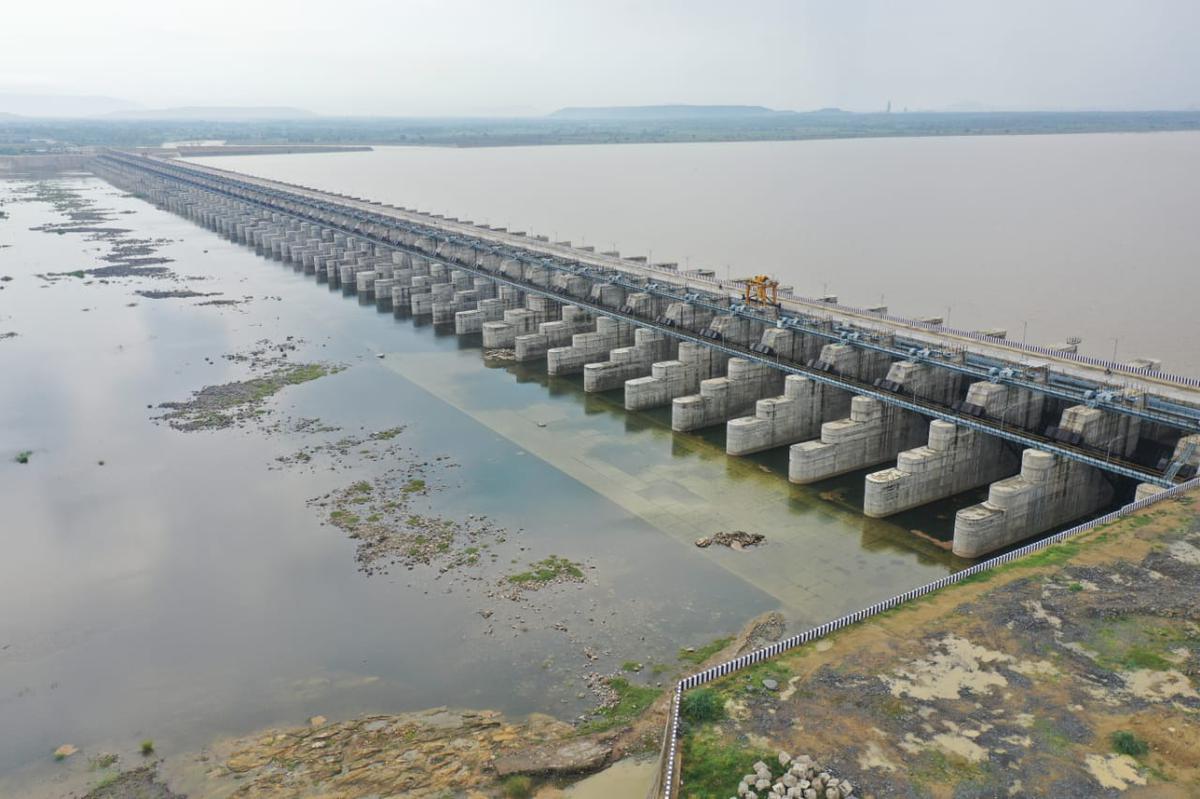
Telangana Accelerates Dam Safety Checks for 174 Projects
The Telangana State Dam Safety Authority (SDSA) has embarked on a comprehensive initiative to assess the safety and structural integrity of the state’s irrigation dams, following the damages and breaches witnessed at major irrigation projects like Peddavagu and Palair Reservoirs during the last monsoon season. With an ambitious plan to conduct safety checks on all 174 irrigation projects — including 60 major and medium-scale dams — the state government aims to ensure that the irrigation infrastructure is robust enough to withstand the impending summer. The safety measures come in response to a series of alarming incidents at key projects such as the Palair Reservoir and Peddavagu Dam, which posed potential risks to surrounding villages and agricultural lands.
The SDSA has been tasked with carrying out a thorough safety evaluation of all irrigation systems over the next two years, with priority given to the 60 major and medium-sized dams by the upcoming summer. Key areas of focus will include assessing seepage issues, evaluating the strength of bunds (earthen embankments), and addressing concerns such as jungle overgrowth and encroachments that could interfere with the operation of the dams. For instance, the Peddavagu Dam, located on the Godavari River, had experienced significant operational challenges during the previous monsoon season. Floodgates at the facility could not be opened, and encroachment-related issues led to breaches, exacerbating the risk to nearby communities. These incidents have prompted the Telangana government to prioritise dam safety, recognising the potential devastation caused by poorly maintained irrigation infrastructure.
To tackle these challenges, the state government has assigned specific officials, including chief engineers, superintending engineers, and executive engineers, as the designated ‘owners’ of the irrigation projects. These individuals will be held accountable for the ongoing maintenance and safety of the dams under their supervision. As part of this initiative, the Telangana Irrigation Department has outlined a timeline to complete the identification of necessary operation and maintenance works by March. Following this, estimations and tenders for these works will be issued, with the actual repair and safety measures scheduled for execution between April and June. G. Anil Kumar, the Engineer-in-Chief of the Irrigation Department and head of the SDSA, stated that these works would be completed before the start of the peak summer season to avoid further risks.
National Dam Safety Act Spurs Statewide Dam Safety Actions
The urgency surrounding Telangana’s dam safety initiatives is largely driven by the National Dam Safety Act, which was enacted in 2021. This legislation mandates that all states in India establish Dam Safety Authorities and conduct regular safety checks for all dams, irrespective of their size. The Act further stipulates that these safety assessments should occur every five years. Despite the passage of three years since the Act’s implementation, Telangana had delayed its dam safety checks due to the absence of concrete guidelines. However, after a series of failures, including breaches at the Palair and Peddavagu projects and the Kaleshwaram barrages (Medigadda, Annaram, and Sundilla), the state government has accelerated its efforts to ensure safety compliance and prevent any catastrophic failures in the future.
While the state grapples with the immediate task of carrying out inspections, there is a long-term need for substantial investments in infrastructure upgrades. The identified risks at some of Telangana’s older and more critical irrigation projects highlight the vulnerabilities within the state’s water management system, particularly in light of climate change and increasingly erratic monsoon patterns. Moreover, the integration of technology in monitoring dam structures — such as advanced satellite imagery and real-time data analytics — will play a key role in enhancing the safety of these vital irrigation systems.
Sustainability and Long-Term Urban Impacts of Dam Safety
The importance of maintaining safe and efficient irrigation infrastructure cannot be overstated, especially in a state like Telangana, where water resources are critical to sustaining agriculture and urban development. Dam safety is not just about preventing disasters; it is a critical pillar of sustainable urban planning and rural development. Ensuring the integrity of these dams helps secure the future of farming, protects local ecosystems, and safeguards water supplies that are vital for growing urban areas. Addressing issues like seepage and encroachments directly contributes to maintaining the state’s ecological balance and reduces the risk of flooding, which can damage crops and homes.
From a sustainability perspective, enhancing dam safety is a forward-looking strategy that aligns with Telangana’s broader goals of climate resilience and environmental conservation. For instance, reducing risks associated with water storage systems helps prevent water wastage and ensures more reliable water distribution to both urban and rural communities. Moreover, the rehabilitation of dams can also improve the health of surrounding ecosystems, which can positively impact biodiversity and water quality. With these initiatives, the Telangana government aims not only to ensure safety but also to promote an environmentally conscious approach to managing the state’s natural resources.
Telangana’s Commitment to Dam Safety as a Civic Priority
The safety overhaul of Telangana’s irrigation dams is indicative of the growing recognition of infrastructure resilience as a civic priority. While it may take time for all 174 projects to undergo rigorous assessments and necessary repairs, the focus on transparency and accountability is a positive step towards better urban and rural governance. Through collaboration with national authorities and the active involvement of local engineers, Telangana is positioning itself as a model for effective infrastructure management in the face of mounting environmental challenges.
