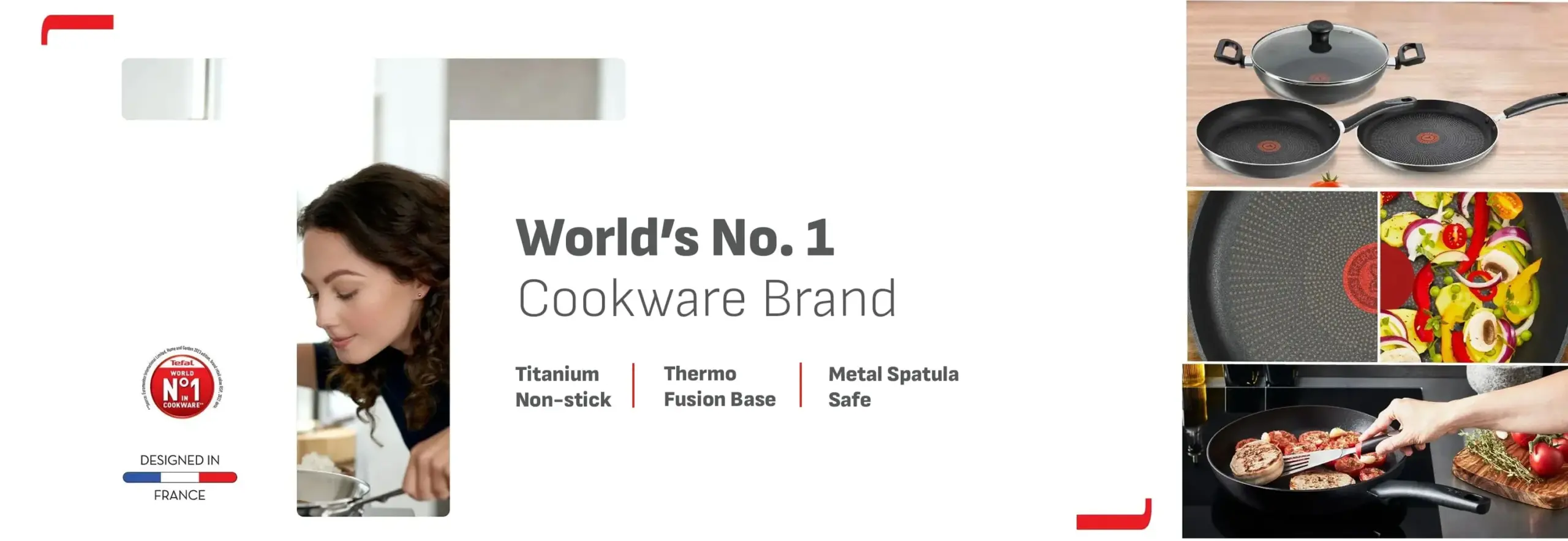
Tefal India Targets Bengaluru With Urban Lifestyle Campaign
Tefal India has launched a new campaign centred on the realities of time-constrained urban living, highlighting how shifting lifestyles in cities like Bengaluru are influencing consumption patterns within the home and kitchen segment.The campaign, built around the theme of time efficiency, reflects a broader transformation in India’s urban households, where long commutes, demanding work schedules, and evolving family structures are reshaping everyday routines. By focusing on Bengaluru, a city known for its fast-paced work culture and expanding urban footprint, Tefal India is tapping into a demographic that increasingly values convenience-driven solutions.
The messaging aligns with a growing demand for products that reduce time spent on routine household tasks. Kitchen appliances and home solutions are being reimagined not just as functional tools, but as enablers of efficiency and improved quality of life. This shift is particularly relevant in urban centres, where time scarcity has become a defining characteristic of daily living.For the built environment and housing sectors, such changes in consumer behaviour are influencing how homes are designed and utilised. Compact kitchens, modular layouts, and integrated appliances are gaining prominence as developers respond to the need for efficient use of space. The rise of dual-income households and nuclear families is further accelerating this trend.Industry observers note that campaigns like this reflect a deeper convergence between lifestyle branding and urban realities. Companies are increasingly aligning their narratives with the lived experiences of city residents, addressing challenges such as time management, work-life balance, and spatial constraints.
From a market perspective, Tefal India is positioning itself within the premium appliance segment by emphasising convenience, performance, and user-centric design. The focus on urban consumers also highlights the growing importance of metro cities as key drivers of demand in the home solutions market.The campaign further underscores the role of storytelling in shaping consumer engagement. By contextualising products within real-life urban scenarios, brands are able to create stronger connections with their target audience. This approach is increasingly relevant in a competitive market where differentiation is driven as much by narrative as by product features.At a broader level, the emphasis on time-efficient living intersects with sustainability considerations. Efficient appliances can contribute to reduced energy consumption and resource use, aligning with the need for more responsible urban development. However, balancing convenience with environmental impact remains an ongoing challenge for manufacturers.For cities like Bengaluru, the campaign highlights the pressures associated with rapid urbanisation, including traffic congestion, long working hours, and changing lifestyle expectations. These factors are not only shaping consumer demand but also influencing how homes are designed, equipped, and experienced.
Looking ahead, the integration of time-saving technologies into everyday living is expected to deepen, driven by both consumer demand and innovation. As urban environments continue to evolve, companies like Tefal India are likely to play a role in redefining how households adapt to the pace of modern city life, linking product design with the realities of contemporary urban living.