


Tamil Nadu Tightens Rules on Second-Hand Vehicle Sales
Crackdown on Unregulated Transfers Amid Rising Crime Concerns
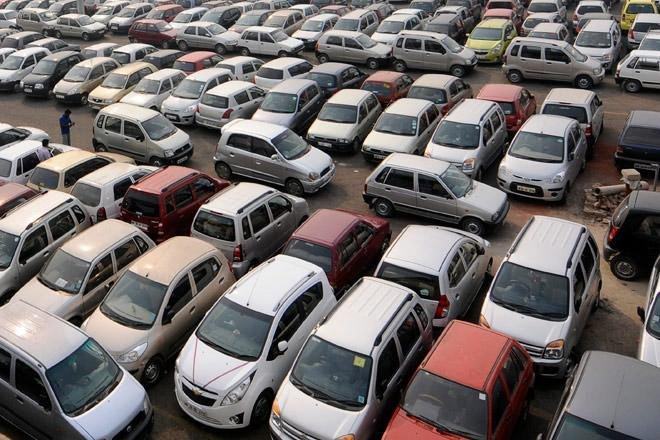
In a decisive move to regulate the second-hand vehicle market, the Tamil Nadu government has tightened ownership transfer rules after high-profile criminal cases exposed major gaps in tracking vehicle ownership. The new policy mandates that all individuals and dealerships engaging in the resale of vehicles must obtain an authorisation certificate, requiring a one-time payment of ₹25,000. This regulation follows incidents like the East Coast Road (ECR) car chase and the Kilambakkam auto kidnapping, where law enforcement struggled to trace ownership records due to multiple unregistered transfers. The initiative aims to eliminate grey areas in the resale market that have allowed vehicles to change hands informally, often without proper documentation.
Dealers to Bear Responsibility for Ownership Until Official Transfer
To enforce accountability, used vehicle dealerships must now register temporary ownership under their names in the government’s Vahan portal before transferring it to new buyers. While this update will not reflect in the vehicle’s Registration Certificate (RC), it will ensure that dealers remain responsible for the vehicles they handle until legal ownership is updated. This is a significant step, given that Tamil Nadu has around 30,000 used vehicle dealers, yet only 15 have completed the certification process so far. Transport authorities have launched a registration drive to ensure compliance, but experts argue that voluntary registration may not be enough. Activists have called for stricter deadlines and enforcement measures, as many small-scale dealers are expected to resist the process due to the financial burden and reluctance to follow formal procedures.
Sustainability and Road Safety Implications of Second-Hand Vehicle Sales
The rise in second-hand vehicle transactions is closely linked to economic and environmental concerns. With new vehicle sales declining due to rising taxes, fuel prices, and maintenance costs, consumers are opting for used vehicles as an affordable alternative. This shift, however, raises sustainability questions, as older vehicles tend to have higher emissions and contribute to urban pollution. While the new rules will bring transparency to the market, experts suggest additional policies such as mandatory emission testing and incentives for electric vehicle (EV) adoption to encourage cleaner transport options. Comparing this with cities like Mumbai, where stricter resale norms have curbed illegal transactions, Tamil Nadu’s regulatory approach could significantly improve road safety and emission control if effectively implemented.
Legal and Civic Challenges in Vehicle Ownership Transfers
Beyond sustainability, the unregulated resale market has also led to civic complications, including liability disputes. Legal experts warn that failure to transfer ownership can leave the previous owner legally responsible for offences committed using the vehicle, including traffic violations and crimes. Traffic authorities have recorded numerous cases where automated fines continue to be issued to previous owners, leading to unnecessary police inquiries and legal hassles. To mitigate this, individual sellers must ensure that Form-29 is completed at an RTO before handing over their vehicle. However, with over one lakh second-hand vehicle sales recorded annually in Chennai for three consecutive years, enforcing compliance on a large scale remains a daunting challenge for the transport department. If the state successfully implements these reforms, it could set a precedent for better governance in India’s used vehicle market.
