


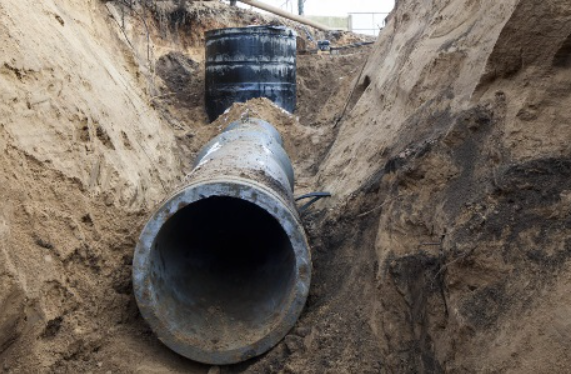
The Tamil Nadu Assembly recently enacted significant legislative amendments aimed at modernizing urban governance and regulatory frameworks. Under the revised Chennai Metropolitan Water Supply and Sewerage Act, 1978, initiated by Minister for Municipal Administration K.N. Nehru, the mandatory requirement for sewer connections in premises on private streets within 30 metres of Chennai Metropolitan Water Supply and Sewerage Board sewers has been removed.
This legislative change aims to decriminalize minor offences, aligning with recommendations from Guidance Tamil Nadu. Additionally, the Assembly approved a complementary amendment to the Tamil Nadu Urban Local Bodies Act, 1998, empowering the declaration of local areas as town panchayats, municipal councils, or municipal corporations, irrespective of population and income thresholds. This move facilitates the elevation of historically significant areas such as Karaikudi, Tiruvannamalai, Pudukottai, and Namakkal municipal councils to municipal corporation status, underscoring their cultural and pilgrimage importance. The reforms reflect a proactive approach by the state government to streamline regulatory requirements and enhance administrative flexibility in urban planning and governance. By relaxing stringent criteria and enhancing local autonomy, Tamil Nadu aims to foster sustainable urban development while preserving historical and cultural heritage across its municipalities. These legislative updates are poised to stimulate economic growth, improve civic infrastructure management, and promote inclusive development throughout Tamil Nadu’s urban landscape. As stakeholders adapt to these changes, the focus remains on ensuring effective implementation and governance frameworks that cater to diverse local needs and aspirations.
