


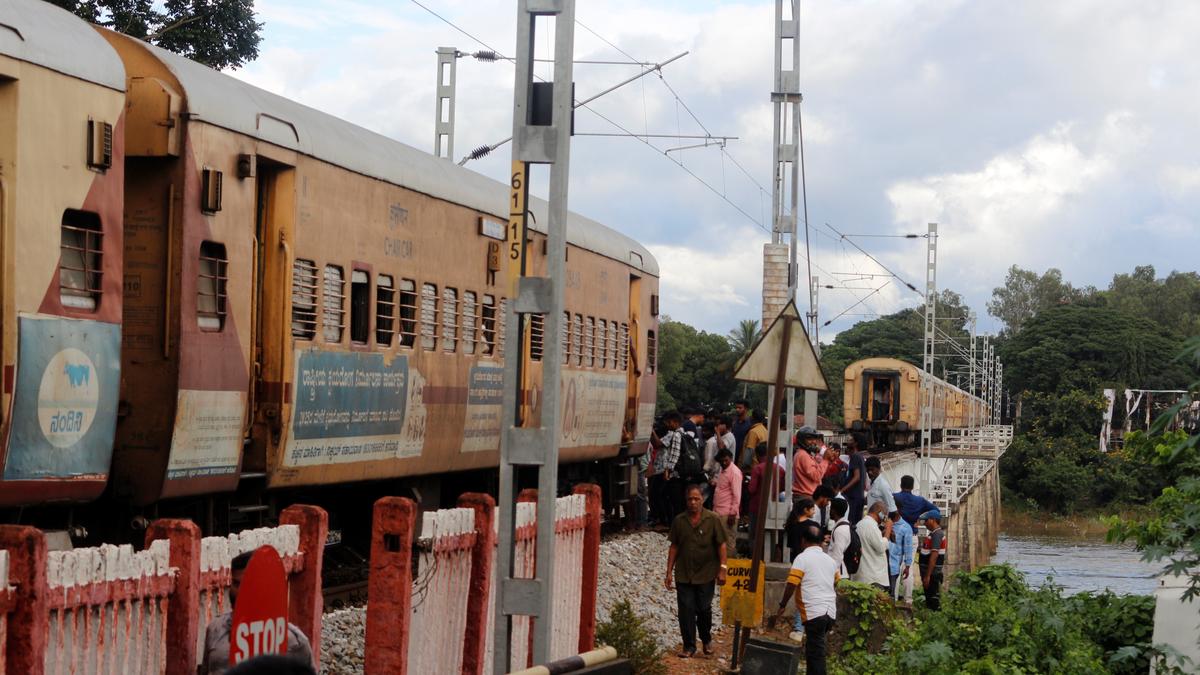
Two back-to-back train disruptions in Karnataka, including a dramatic uncoupling of the Mysuru-Talaguppa Express on the Tunga River bridge, have spotlighted the critical importance of a robust maintenance framework for the nation’s railway network. These incidents, though ending without casualties, serve as a stark reminder that as cities expand and become more reliant on efficient, zero-net-carbon public transit, the underlying infrastructure must be impeccable. The events underscore that the vision of a sustainable and equitable urban future hinges on the day-to-day reliability of its core transportation assets.
The first incident involved the Mysuru-Talaguppa Express, where the engine and several coaches separated while the train was traversing a bridge near Shivamogga. The swift and professional response of the loco pilot and subsequent technical teams, who managed to safely re-couple the coaches and resume the journey, averted a potential catastrophe. Just a few hours later, the Bengaluru-Dharwad Vande Bharat Express, a flagship of India’s modern rail fleet, was forced into an unscheduled 45-minute stop near Davangere due to a technical glitch. While these events were resolved without injury, they have triggered a wider debate on the state of rail infrastructure upkeep and emergency preparedness.
Rail transportation is a cornerstone of any strategy to build sustainable cities. It offers a more eco-friendly and energy-efficient alternative to individual automobiles and short-haul flights, significantly reducing a city’s carbon footprint. However, the efficacy of this system is directly proportional to its operational reliability. Frequent or unexpected mechanical failures erode public confidence, potentially pushing commuters back to less sustainable modes of transport. This makes routine and preventive maintenance not just a procedural matter but an environmental imperative in the pursuit of a greener future.
The dual nature of the incidents—one on a conventional express service and the other on a modern Vande Bharat train—highlights a systemic challenge. It suggests that while the focus has been on expanding the network and introducing new, high-speed trains, an equally concerted effort is required to match this ambition with a state-of-the-art maintenance ecosystem. The technical fault on the Vande Bharat Express, a product of advanced engineering, raises questions about the specialized inspection protocols needed to manage and maintain next-generation rail assets effectively.
Beyond the technical and environmental concerns, a reliable rail system is an essential component of a truly equitable society. For millions of citizens, particularly those from a diverse socioeconomic background, railways provide a gender-neutral and accessible lifeline for work, education, and healthcare. Unpredictable disruptions can disproportionately impact these groups, creating logistical and financial burdens. Therefore, investing in maintenance and operational resilience is not merely about asset management; it is a fundamental commitment to social equity and inclusive growth.
These back-to-back incidents serve as a vital wake-up call for railway officials to re-evaluate maintenance schedules and emergency response mechanisms. The collective push for a modern, zero-net-carbon transport system is commendable, but its foundation rests on a network that is meticulously maintained and engineered for zero-defect performance. This is the only way to ensure public confidence and secure a sustainable, safe, and equitable future for all citizens.
Also Read :Delhi Flags Off Sitamarhi–Delhi Amrit Bharat Express Today, Runs Weekly With Key Stops
