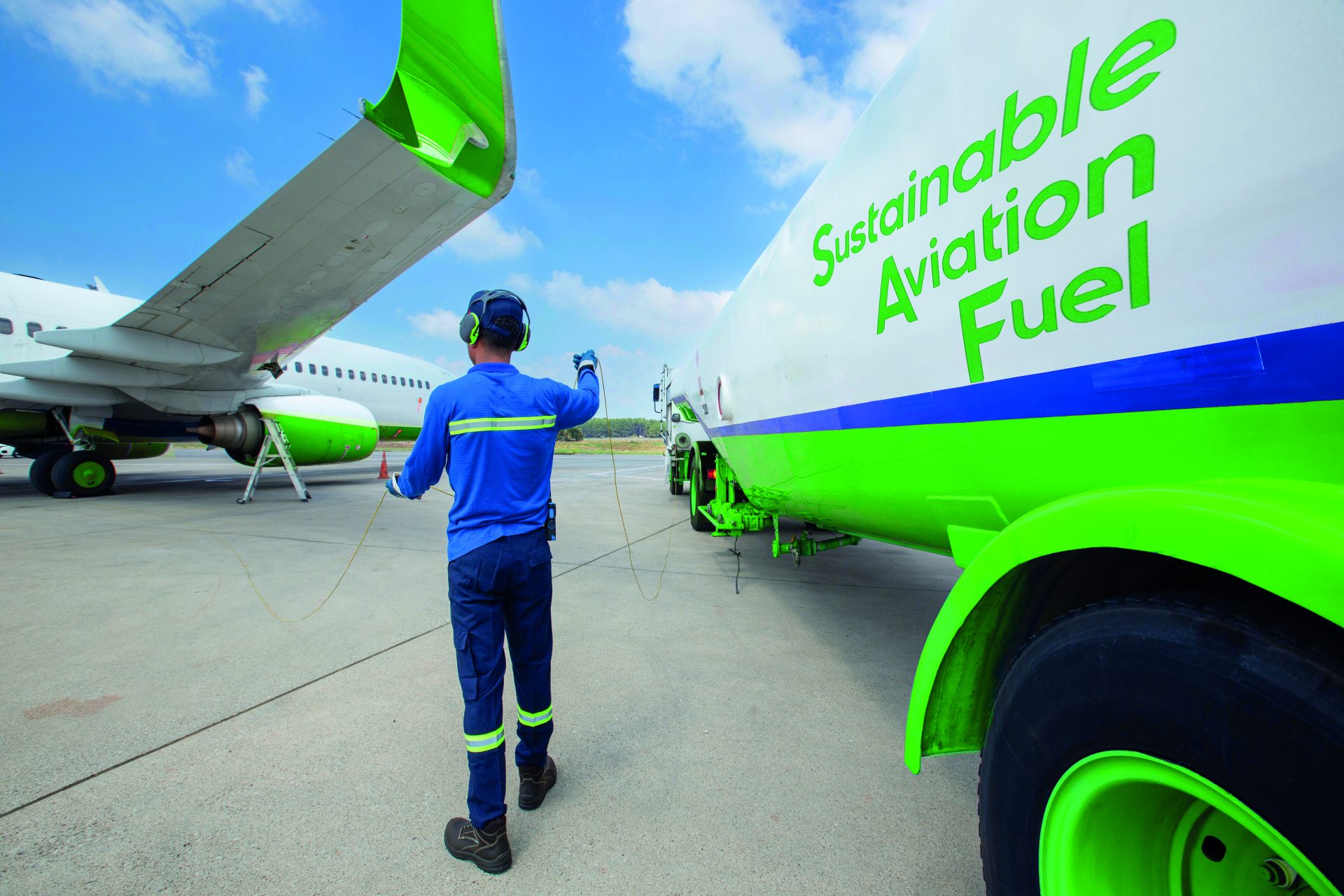
Sustainable Aviation Fuel (SAF) is emerging as a transformative solution for the aviation industry. Derived from waste like used cooking oil, SAF offers an 80% reduction in lifecycle carbon emissions. Global policies, innovative feedstocks, and airline commitments are driving its adoption, aiming to reshape aviation’s role in the climate crisis.
SAF, particularly those derived from used cooking oil, avoids the ethical and ecological concerns associated with food-based biofuels. Unlike palm or soy oils, UCO-based SAF supports a circular economy by repurposing waste, reducing landfill use, and easing pressure on natural ecosystems. Countries like Malaysia are leveraging their waste streams to become key suppliers of feedstock to major SAF producers in Europe.
Government mandates and airline sustainability pledges are accelerating SAF integration. In 2025, both the UK and EU will require a minimum of 2% SAF blending in jet fuel, with targets rising gradually. Airlines under large international groups are already sourcing SAF with green certifications, demonstrating how regulatory support and market demand can catalyse environmental innovation at scale.
Despite its promise, SAF production remains costly and limited in scale. Current supply cannot yet meet global demand, and price competitiveness with fossil jet fuel remains a hurdle. However, aviation experts say SAF could account for 65% of the emissions cuts needed to hit net-zero targets by 2050. Investments, subsidies, and public-private collaborations are key to boosting its availability.
Experts stress that the aviation industry alone cannot green its future—governments, fuel producers, airlines, and consumers must align. From incentivising UCO collection to expanding certified supply chains, sustainable aviation demands a systems-level approach. With growing interest from regions like Asia and support from global climate organisations, SAF is fast becoming the standard bearer for decarbonised air travel.
Sustainable Aviation Fuel represents more than a cleaner fuel alternative—it’s a symbol of how innovation, responsibility, and collaboration can reshape entire industries. With countries repurposing waste, airlines embracing green procurement, and global standards tightening, SAF is poised to play a pivotal role in climate-resilient aviation. As adoption expands, used cooking oil could become the unlikely hero of our journey to net-zero skies.