


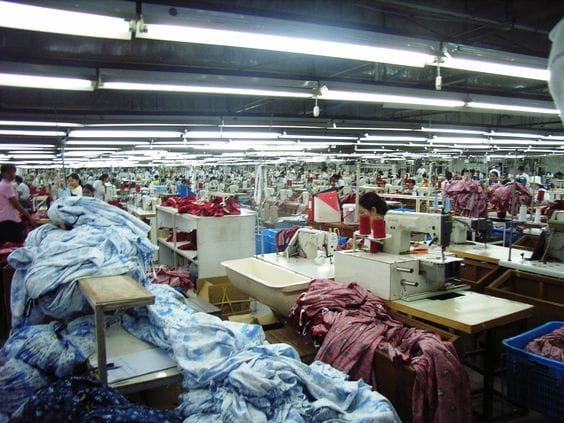
Textile manufacturers in Surat and other industrial clusters across Gujarat are recalibrating production schedules in response to global supply uncertainties, adopting flexible operating models to manage raw material constraints and shifting export demand. Industry stakeholders say several units have introduced periodic shutdown days as part of a broader strategy to stabilise operations. The evolving situation has placed focus on the Surat textile production adjustment, as manufacturers seek to balance output with fluctuating availability of inputs and changing market conditions. Rather than continuous production, many units are restructuring work cycles to optimise resource use and maintain financial stability.
Industry analysts note that the textile sector is particularly sensitive to global disruptions, given its dependence on imported raw materials, export markets and international logistics networks. When supply chains tighten, manufacturers often adopt phased production approaches to avoid excess inventory and manage costs. The Surat textile production adjustment reflects a growing emphasis on operational flexibility within industrial systems. By aligning production schedules with supply conditions, manufacturers can reduce waste, control energy consumption and maintain workforce stability during uncertain periods. Urban economists highlight that Surat’s textile sector is a key driver of employment and economic activity in the region. Changes in production patterns can have ripple effects across associated sectors, including logistics, dyeing units, packaging and retail distribution. The adaptive approach also underscores the importance of resilience in industrial planning. Cities with diversified supply chains and flexible production systems are better equipped to navigate external shocks without severe disruptions to local economies. The Surat textile production adjustment may also influence energy consumption patterns within industrial zones. Reduced operating days can lower overall energy demand, offering temporary relief to power infrastructure while encouraging more efficient resource utilisation. From a sustainability perspective, optimised production cycles can contribute to reduced industrial emissions and improved resource efficiency. While the immediate trigger may be external, such adjustments can support longer-term transitions toward more sustainable manufacturing practices. Urban planners note that industrial resilience is increasingly linked to broader urban systems, including transport infrastructure, energy supply and labour markets. Ensuring that these systems remain adaptable is essential for maintaining economic stability in rapidly growing cities. The situation also highlights the importance of strengthening domestic supply chains to reduce dependence on global inputs. Diversification of sourcing strategies and investment in local manufacturing capabilities can help industries mitigate future disruptions.
For Surat, the Surat textile production adjustment represents a pragmatic response to evolving global conditions. By adopting flexible operating models, the city’s textile sector is working to maintain continuity while adapting to new realities in international trade. In the long term, such strategies may contribute to a more resilient industrial ecosystem—one that can absorb shocks while continuing to support employment and economic growth in one of India’s most important manufacturing hubs.
ALSO READ – Surat Diamond Bourse Hosts Global Auctions Shift
Surat Textile Industry Adjusts Operations Amid Global Disruptions
