


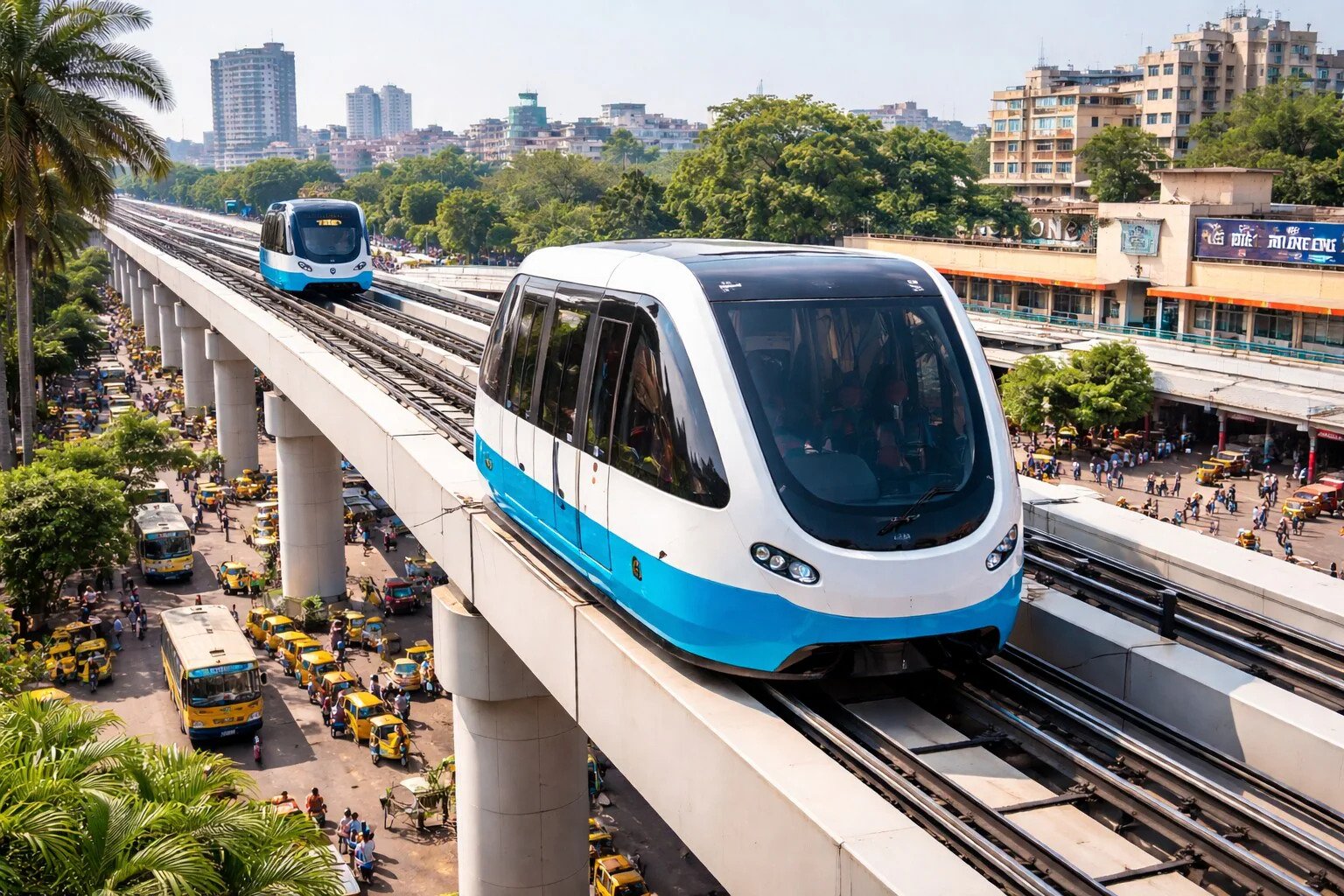
Surat’s urban landscape is undergoing a significant transformation, with infrastructure projects worth over ₹11,000 crore completed under the national smart city programme. The scale of development reflects a coordinated push to modernise urban systems, improve service delivery, and enhance the quality of life across the city. The progress in Surat smart city projects spans a wide range of interventions, including integrated command and control centres, improved public transport systems, upgraded water and sewer networks, and enhanced public spaces. Officials involved in implementation indicate that the focus has been on creating efficient, technology-enabled urban environments.
Urban development experts note that the smart city framework emphasises both infrastructure and governance. The Surat smart city projects have incorporated digital platforms to monitor services in real time, enabling quicker response to issues such as traffic management, waste collection, and emergency situations. From a mobility perspective, investments in public transport and traffic management systems are expected to improve connectivity and reduce congestion. Cities that have adopted intelligent transport solutions can optimise traffic flow and enhance commuter experience, contributing to more efficient urban movement. The Surat smart city projects also address essential services. Upgrades in water supply and sewerage systems aim to ensure more reliable access and improved sanitation. Such improvements are critical for public health, particularly in rapidly growing urban areas. There are economic implications as well. Large-scale infrastructure investments can stimulate local economies by creating jobs, attracting investment, and supporting business activity. Improved urban environments can enhance the competitiveness of cities, making them more attractive for both domestic and international investors. Sustainability is a key component of the initiative. Many projects incorporate energy-efficient systems, renewable energy integration, and improved waste management practices. These elements contribute to reducing environmental impact while supporting long-term resilience. From an urban planning perspective, the smart city approach promotes integrated development. By aligning infrastructure, technology, and governance, cities can create more cohesive and responsive systems. However, experts caution that maintaining and scaling these systems will require continued investment and capacity building. There are also challenges to consider. Ensuring inclusivity remains a priority, as benefits must reach all sections of society, including low-income and peripheral areas. Digital solutions, while effective, must be accessible and user-friendly to avoid widening gaps.
Looking ahead, the success of the Surat smart city projects will depend on sustained operation and continuous improvement. Monitoring performance, incorporating feedback, and adapting to changing needs will be essential to maintain momentum. As Surat continues to evolve, the current phase of development highlights the potential of integrated infrastructure and governance models to support sustainable, resilient, and people-centric urban growth.
ALSO READ – Surat Biogas Supply To Support Commercial Energy Demand
Surat Smart City Projects Reshape Urban Infrastructure Landscape
