Surat Region Navsari Ground Faces Commercial Land Use Debate
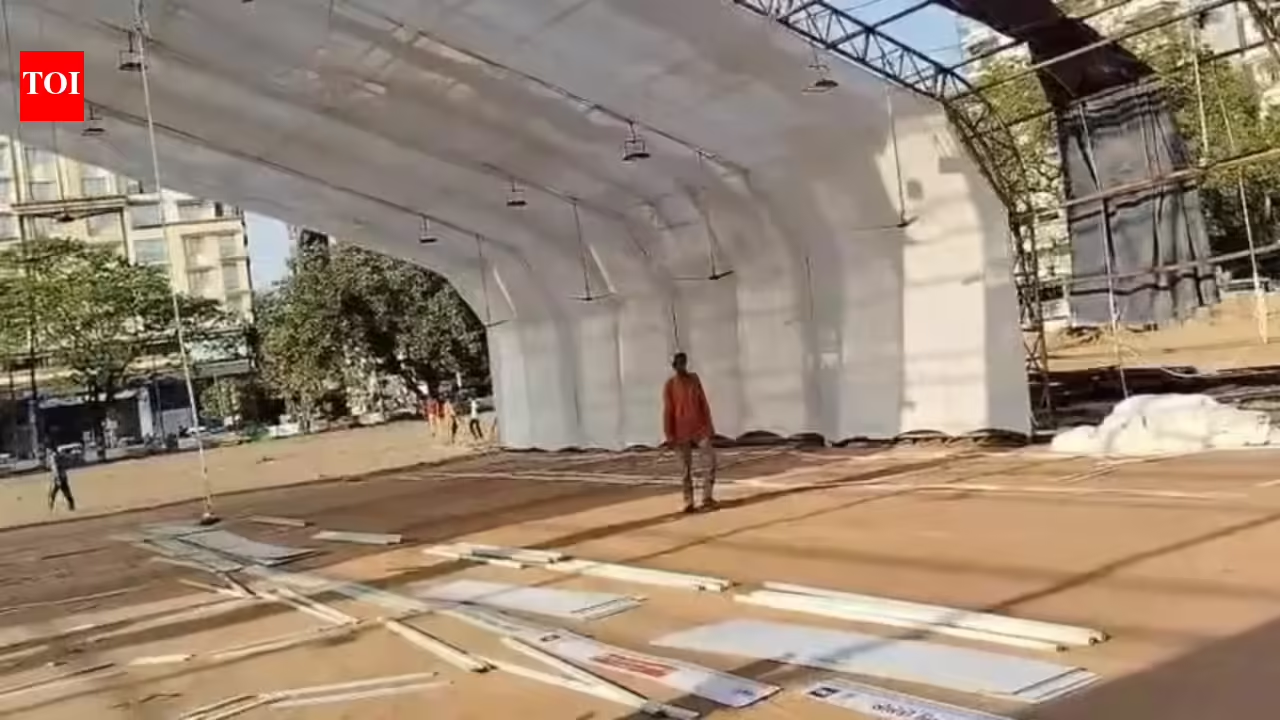
A dispute over the future of Lunsikui Ground, a prominent open space in Navsari near Surat, has ignited strong opposition from local residents and civic groups, who argue that plans to repurpose the site for commercial use threaten public access, urban livability and community well‑being. The grassroots resistance highlights growing tensions in fast‑expanding urban belts between private development ambitions and the preservation of shared civic spaces.
Located within a dense residential precinct, Lunsikui Ground has long served as a community anchor — nurturing informal recreation, youth sports and neighbourhood gatherings. Recent proposals by local authorities to invite commercial entities to develop portions of the site have triggered concerns among citizens that the public good could be sacrificed for profit‑driven projects. Petitions, social media advocacy and municipal office visits by citizen groups underscore widespread anxiety about losing one of the few remaining green and open spaces in the neighbourhood.Urban planners stress the importance of such open grounds in cities like Navsari and Surat, where rapid population growth and densification have eroded natural spaces and intensified heat island effects. “Open grounds are not merely vacant lots — they are lungs of the city, vital for microclimate regulation, informal social activity and equitable access to outdoor recreation,” said a senior urbanist. “Their conversion to commercial use without thorough public consultation undermines sustainable, people‑first planning.”
Opponents argue that commercial development could lead to increased traffic, noise and loss of child‑friendly spaces, particularly affecting low‑income households and elderly residents who rely on the ground for daily walks, exercise and community interaction. They also question whether promised economic benefits — such as new jobs or municipal revenue — justify the trade‑off with urban health and liveability.Municipal officials have defended the proposal as part of broader financial planning, suggesting that revenue from leasable plots could fund infrastructure improvements elsewhere in Navsari. However, critics contend that such calculations must weigh long‑term social and environmental costs, not just short‑term fiscal gains. Urban advocates point to best practices elsewhere where cities have harnessed public‑private partnerships to enhance and program open spaces rather than replace them, keeping parks accessible while generating sustainable revenue.
City architects also highlight that preserving open spaces contributes to climate resilience, particularly in Gujarat’s hot, dry climate, where shade and green cover help mitigate soaring temperatures. Such considerations have recently been underscored by civic bodies issuing heat alerts and planners calling for expanded urban canopy — contexts in which open grounds like Lunsikui play an outsized role in public comfort and environmental health.For Navsari’s civic leaders, the episode offers an engagement test: whether development decisions affecting community landmarks are shaped through transparent dialogue and inclusive planning or through top‑down directives. Residents have called for formal town‑hall discussions, independent impact assessments and exploration of alternative revenue models that retain public access.
As debates continue, the Lunsikui Ground dispute encapsulates a broader question confronting many Indian cities: how to balance economic growth with equitable access to public spaces and inclusive, climate‑responsive urban design.