


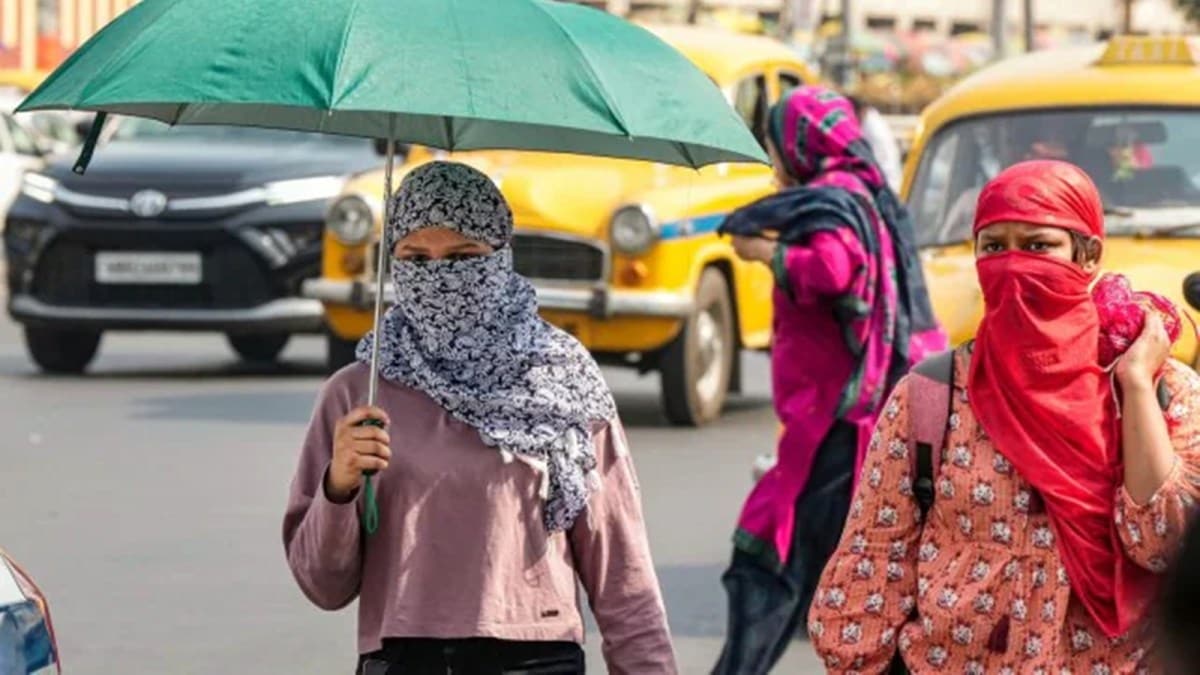
The Navsari Municipal Corporation (NMC) has issued a public heat alert for residents in Navsari and adjoining areas near Surat, warning of rising temperatures and urging proactive precautions amid an early onset of summer heat. The advisory underscores emerging climate‑linked stress on public health and urban mobility systems across south Gujarat. The alert, released this week as daytime temperatures trend above seasonal averages, calls on citizens to avoid unnecessary exposure to heat, particularly during peak afternoon hours. Vulnerable groups such as elderly people, children and pregnant women were specifically advised to remain indoors between midday and late afternoon. Civic officials have also directed employers and developers to protect outdoor workers by scheduling rest periods from 1 pm to 4 pm and ensuring access to drinking water and shade at construction sites.
Heat alerts like Navsari’s are increasingly common across Gujarat as the India Meteorological Department (IMD)identifies persistent high temperatures — with broader climate monitoring systems warning of heatwave‑like conditions in multiple districts, including Surat, over the coming days. This pattern reflects the broader reality in rapidly urbanising regions where the urban heat island effect and seasonal climate variability combine to create intense daytime stress for residents and commuters. Urban planners say that while advisories can protect public health in the short term, they also expose gaps in long‑term heat resilience planning for people‑first cities. “Heat adaptation needs to be embedded into infrastructure design — from shaded pedestrian corridors and transit hubs to expanded urban tree canopies — not just communicated as cautionary advice,” said a senior climate urbanist. For cities like Surat and neighbouring Navsari, which serve as key economic engines in Gujarat’s industrial landscape, prolonged heat spells affect both daily life and the industrial workforce. Construction sites, logistics operations and outdoor labour sectors are particularly vulnerable, as heat stress can reduce productivity and exacerbate health risks, especially without adequate shade or hydration facilities. The civic alert also aligns with growing attention from public health departments and emergency services to coordinate responses during high‑temperature spells. In some Indian cities, comprehensive heat action plans have incorporated measures such as public water distribution points, shaded waiting areas at transport nodes and real‑time heat risk communication — strategies that experts say could improve outcomes if adapted locally.
Beyond immediate heat‑relief guidance, municipal authorities are being nudged to integrate climate adaptation strategies into urban planning frameworks, including land‑use policies that prioritise green cover and cooling infrastructure, and updated building codes that mitigate heat absorption. These structural interventions are increasingly seen as essential components of climate‑resilient city design. As the weather transitions from pre‑summer to full summer conditions, residents and civic bodies in the Surat–Navsari region will be watching temperature forecasts closely. How effectively local administrations translate heat warnings into lasting infrastructure and public policy will influence the region’s ability to safeguard health, sustain economic activity and build urban environments capable of withstanding intensifying climate pressures.
ALSO READ – Surat Metro Fleet Expansion Gains 24 New Train Sets
Surat Region Navsari Civic Body Warns Residents Of Heat Risks
