


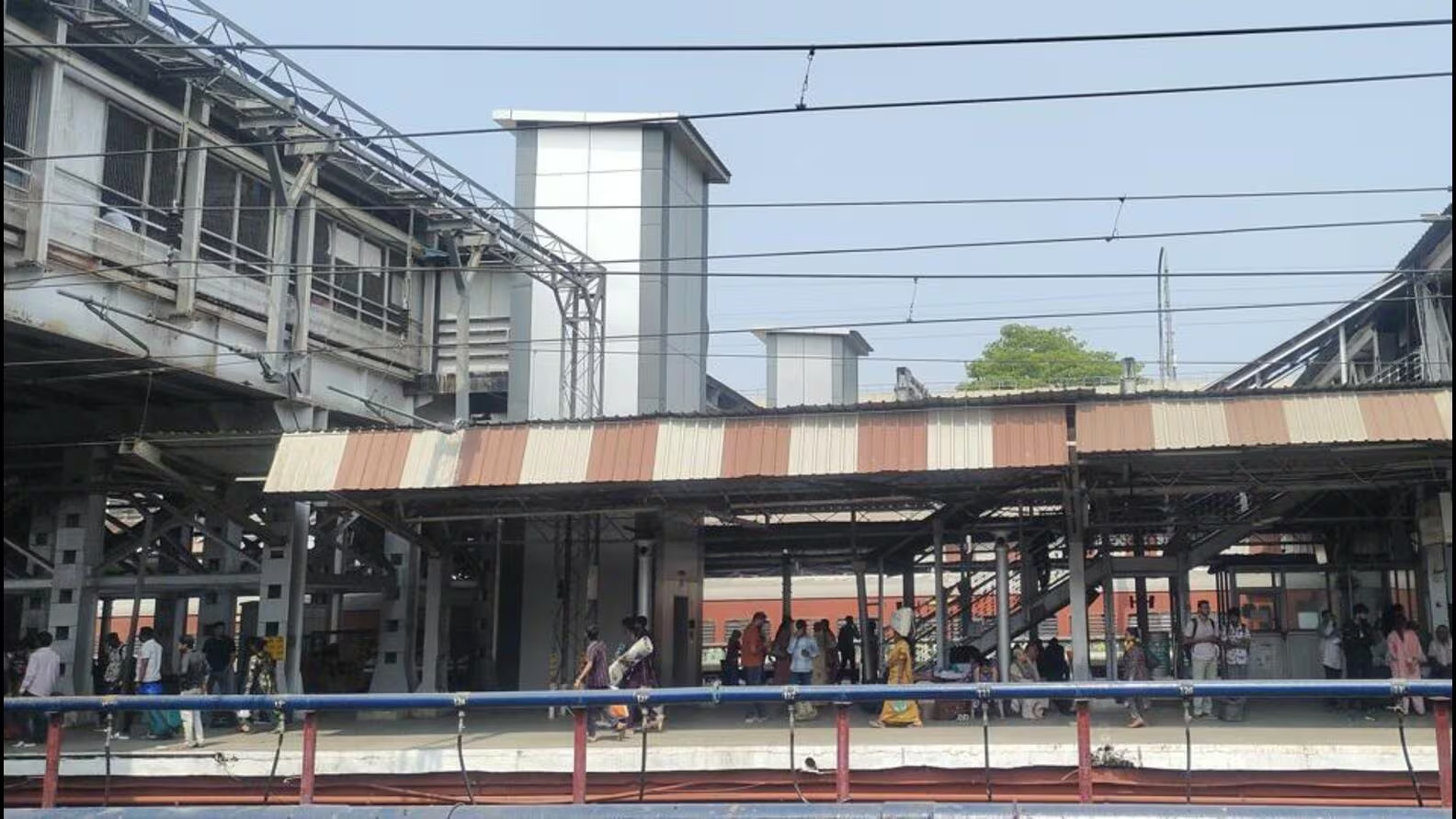
Surat’s rail network is set to undergo a temporary operational shift as a month-long block at the main railway station leads to the diversion of several train services to nearby Udhna station. The move is aimed at facilitating infrastructure upgrades but is expected to impact daily travel patterns across the city. The planned Surat railway block will see multiple trains either originating from or terminating at Udhna instead of the central station, altering established commuting routes. Railway officials indicate that the disruption is necessary to carry out critical track and platform-related works designed to improve capacity and operational efficiency.
Urban mobility experts note that such temporary disruptions are often essential for long-term infrastructure improvements. However, the Surat railway block highlights the immediate challenges faced by passengers, particularly those reliant on centralised transport hubs for daily or long-distance travel. The shift to Udhna station has logistical implications. While the station serves as an alternative node, it may not have the same capacity or connectivity as the main hub. Commuters may face longer travel times, increased reliance on last-mile transport, and potential congestion in surrounding areas. From a planning perspective, the situation underscores the importance of decentralised transport infrastructure. Cities that develop multiple well-connected transit nodes are better equipped to manage disruptions without significantly affecting mobility. The Surat railway block serves as a reminder of the need to strengthen secondary hubs. There are also economic considerations. Changes in train operations can affect local businesses around the main station, including vendors, transport providers, and service establishments. At the same time, areas around Udhna may see a temporary increase in activity due to higher passenger footfall. The Surat railway block also intersects with broader infrastructure goals. Upgrades carried out during the block period are expected to enhance the station’s capacity, improve safety, and support future growth in passenger and freight movement. Such improvements are critical as demand for rail transport continues to rise. Sustainability is another dimension. Efficient rail infrastructure plays a key role in reducing reliance on road transport, lowering emissions, and supporting climate-resilient mobility systems. Ensuring that upgrades are completed efficiently can help maximise these long-term benefits. Authorities are expected to implement measures to minimise inconvenience, including revised schedules, passenger advisories, and coordination with local transport services. Clear communication will be essential to help commuters adapt to the temporary changes.
Looking ahead, the successful completion of works during the Surat railway block could lead to improved service reliability and capacity. While the short-term disruption may pose challenges, the long-term gains in infrastructure efficiency are likely to benefit the city’s growing population. As Surat continues to expand, managing such transitions effectively will be key to maintaining mobility while upgrading critical transport infrastructure.
ALSO READ – Surat Logistics Hub Reaches Milestone In Railway Blueprint
Surat Railway Block Shifts Trains To Udhna Station
