


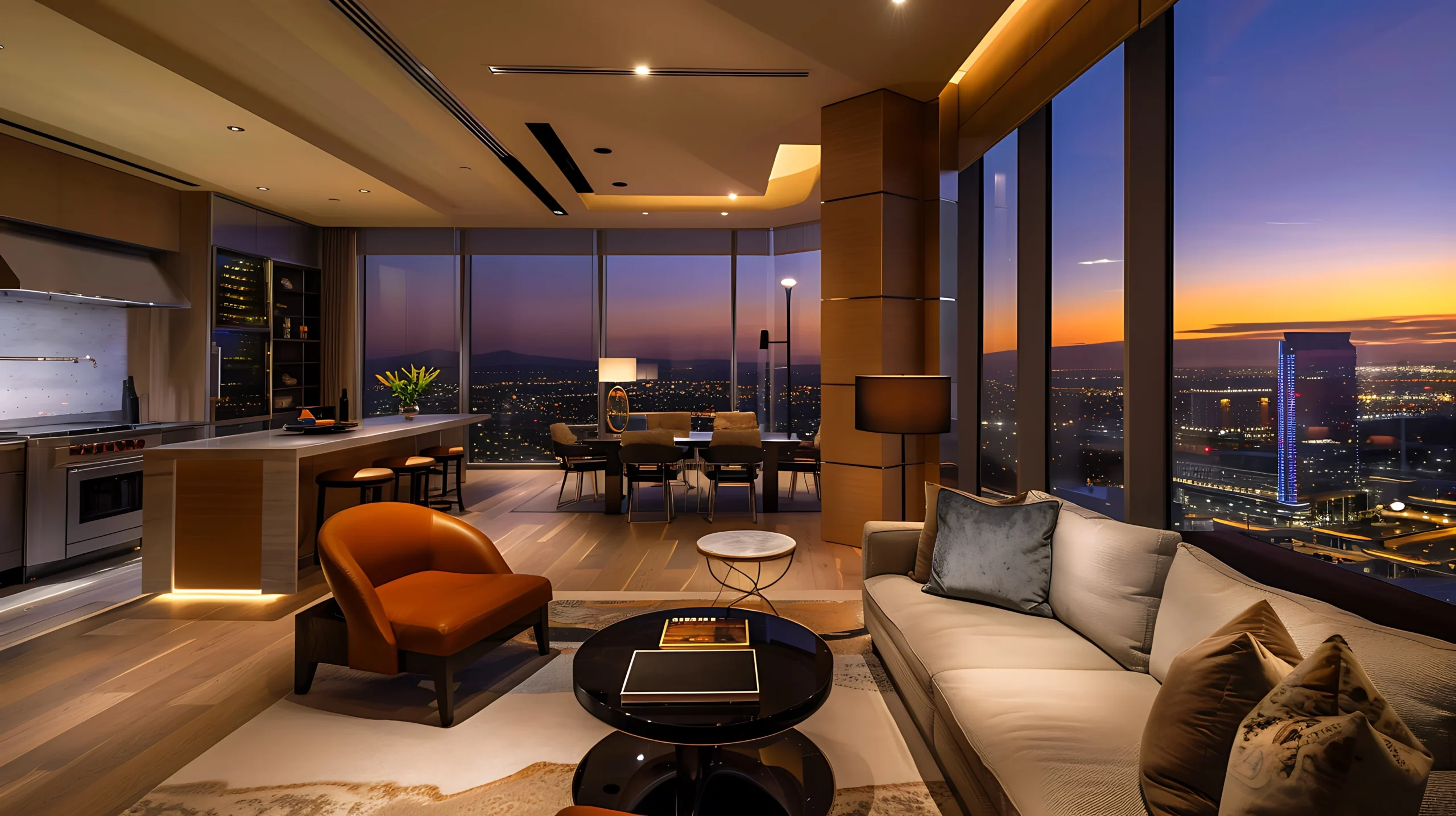
Surat’s rapid urban expansion is increasingly being defined by a cluster of high-end residential neighbourhoods that are reshaping the city’s housing market and investment landscape. Areas such as Vesu, Adajan, Piplod, Palanpur and Pal Gam have emerged as preferred destinations for premium living, reflecting rising incomes, improved infrastructure, and evolving lifestyle aspirations in one of India’s fastest-growing cities. These localities are not only driving demand for luxury housing but also signalling a broader transformation in Surat’s urban form. Vesu, for instance, has evolved into a high-density, well-planned residential hub with strong connectivity to the airport and major arterial roads, making it attractive for professionals and business owners. Meanwhile, Piplod and Adajan offer a mix of residential and commercial ecosystems, supporting a live-work lifestyle that is increasingly valued in expanding urban centres.
The growth of these premium zones is closely tied to Surat’s economic base. As the diamond and textile industries continue to generate wealth, demand for larger homes, gated communities, and amenity-rich developments has accelerated. This has led to the rise of integrated residential projects with enhanced security, green spaces, and lifestyle infrastructure, positioning Surat alongside other tier-II cities witnessing a similar shift towards aspirational housing. The emergence of Palanpur and Pal Gam highlights another dimension of this trend—peri-urban expansion. These areas, once on the outskirts, are now being absorbed into the city’s growth corridor, offering a balance between affordability and upscale living. Their appeal lies in relatively lower land costs combined with improving connectivity, making them attractive for both end-users and investors. Urban planners note that Surat’s luxury housing growth is not just about real estate demand but also about infrastructure alignment. Road networks, proximity to employment hubs, and access to social amenities such as schools and healthcare facilities are key factors shaping these micro-markets. As a result, residential development is becoming increasingly corridor-based, following major transport and connectivity routes. However, the concentration of premium housing also raises questions around inclusivity and spatial balance. While these neighbourhoods offer high-quality living environments, there remains a need to ensure that infrastructure development keeps pace across all segments of the city. Uneven growth can strain civic services and widen disparities between well-serviced and underdeveloped areas.
From a sustainability perspective, the expansion of luxury housing presents both opportunities and challenges. On one hand, newer developments are incorporating better design standards and amenities. On the other, increased built density and resource consumption require stronger emphasis on energy efficiency, water management, and climate-responsive planning. As Surat continues to evolve, its premium residential clusters are likely to play a defining role in shaping the city’s future. The next phase of growth will depend on how effectively these high-end developments integrate with broader urban systems—ensuring that economic prosperity translates into balanced, resilient, and inclusive city-building.
ALSO READ – Surat Solar Orders Slowdown Raises Industry Concerns
Surat Premium Residential Areas See Rising Demand
